
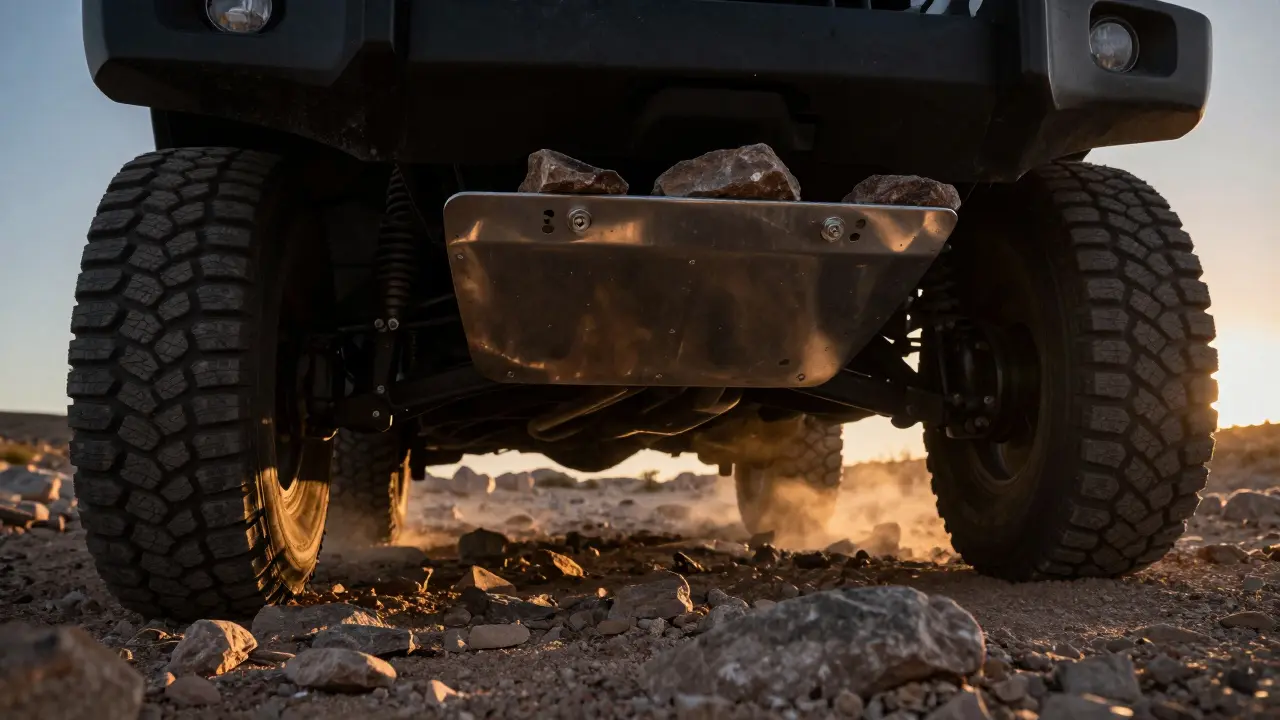
Imagine cresting a rocky ridge at dusk. You think you have a clear path ahead until your wheels drop into a rut you couldn’t see. That sharp thud against your chassis isn’t just annoying; it can be catastrophic without proper defense. In off-road driving, Skid Plates serve as the critical armor shielding vital vehicle components from rocks, debris, and uneven terrain. They are the difference between getting stranded on a trail and heading home with just a few scratches.
Many drivers assume their factory-installed steel sheet is enough. Unfortunately, most OEM covers are thin, designed more for aesthetics than impact resistance. When you venture off pavement, especially into technical terrain like rock crawling or desert running, those thin shields offer little real security. A heavy aluminum rock or a jagged stone can puncture the floor pan, leading to fluid leaks or engine displacement. Let’s look at exactly where protection matters most.
The Core Protection Zones
You don’t need armor everywhere, but missing specific areas puts your drivetrain at risk. The undercarriage has three primary weak points that demand full coverage.
Engine Bay Coverage
This is your vehicle’s heart. A direct impact here doesn’t just dent metal; it can crack an oil pan or rupture the sump. Once that happens, you lose oil pressure, and your motor seizes in minutes. Full engine skid plates extend beyond the simple block area to cover the oil pan, throttle body mounts, and sometimes even the radiator support. In deep mud or water crossings, this shield prevents debris from clogging cooling vents.
Transmission Housing Shield
The transmission sits slightly forward of the center in most four-wheel-drive trucks. It handles torque multiplication, making it bulky and protruding. Without a dedicated plate here, rocks slide past the engine guard and smash the transmission case. A good setup includes a crossmember design that locks this section firmly to the frame rails. You want a solid barrier that deflects downward force rather than absorbing it through flex.
Transfer Case Armor
For 4x4 vehicles, the transfer case splits power to front and rear axles. It usually sits right behind the transmission or integrated with it. Because it connects to long shafts extending toward the axle differentials, it often hangs low. If this casing gets crushed, you lose 4WD capability entirely. Advanced systems link the transfer plate directly to the engine and transmission guards, creating a continuous tunnel of protection along the vehicle spine.
Choosing the Right Material
Not all metal is created equal. Choosing between steel, aluminum, or plastic changes how your vehicle behaves on the trail. Weight affects suspension geometry, while strength determines survival.
| Material Type | Durability Level | Weight Penalty | Best Use Case |
|---|---|---|---|
| High-Grade Steel | Very High | Heavy (Adds 40-60kg) | Rock Crawling, Extreme Abuse |
| Aluminum Alloy | High | Moderate (Adds 20-30kg) | Baja Running, Overlanding |
| UHMW Plastic | Moderate | Lightweight | Sand Dunes, Mud Only |
Steel offers the ultimate toughness but drains fuel economy due to weight. Aluminum provides a sweet spot for many builders-it bends rather than breaks, allowing you to walk away after minor hits without welding repairs. Composite options are gaining traction for specific applications like sand dunes where weight matters more than impact resistance. Always check if the alloy used has been treated for heat dissipation, especially around exhaust headers.
Fitment and Vehicle Dynamics
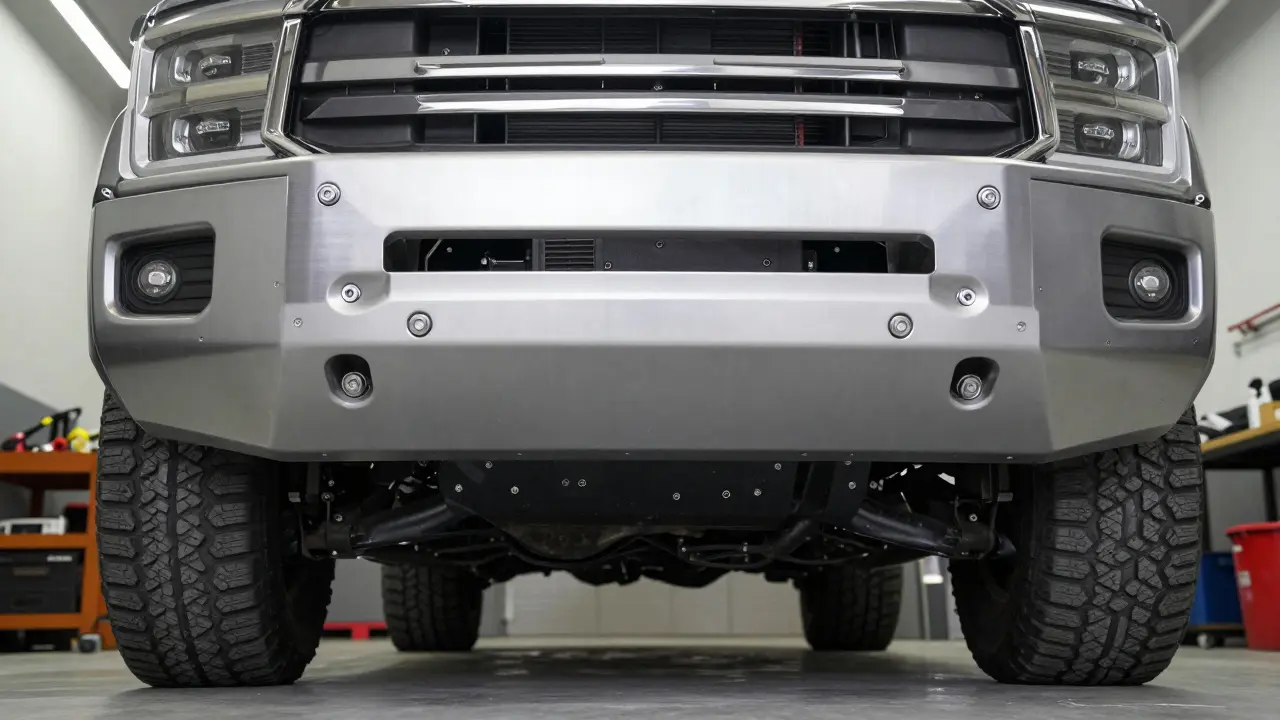
Installing a heavy plate changes how your truck moves. You aren’t just bolting a box underneath; you are altering the “approach angle” of your rig. If the plate extends too far forward, you might bottom out before your bumper does when climbing steep hills. Conversely, letting it hang too short leaves the oil pan exposed.
Lift kits complicate this further. When you raise your suspension by two inches, the gap between your frame and the ground widens. Stock skid plates suddenly leave gaps where rocks can sneak through. Custom fabricated units account for these lift heights by reshaping the mounting brackets. Don’t rely on universal bolt-on plates for lifted vehicles unless they are specifically engineered for adjustable travel.
Another factor is suspension articulation. As your wheels travel up and down over bumps, the chassis twists. A rigid steel plate locked too tightly can stress frame points during extreme flex. Look for designs with slotted holes or flexible bushing mounts that allow the vehicle to twist naturally without transferring destructive force into your roll cage or cab mounts.
Maintenance and Inspection Routines
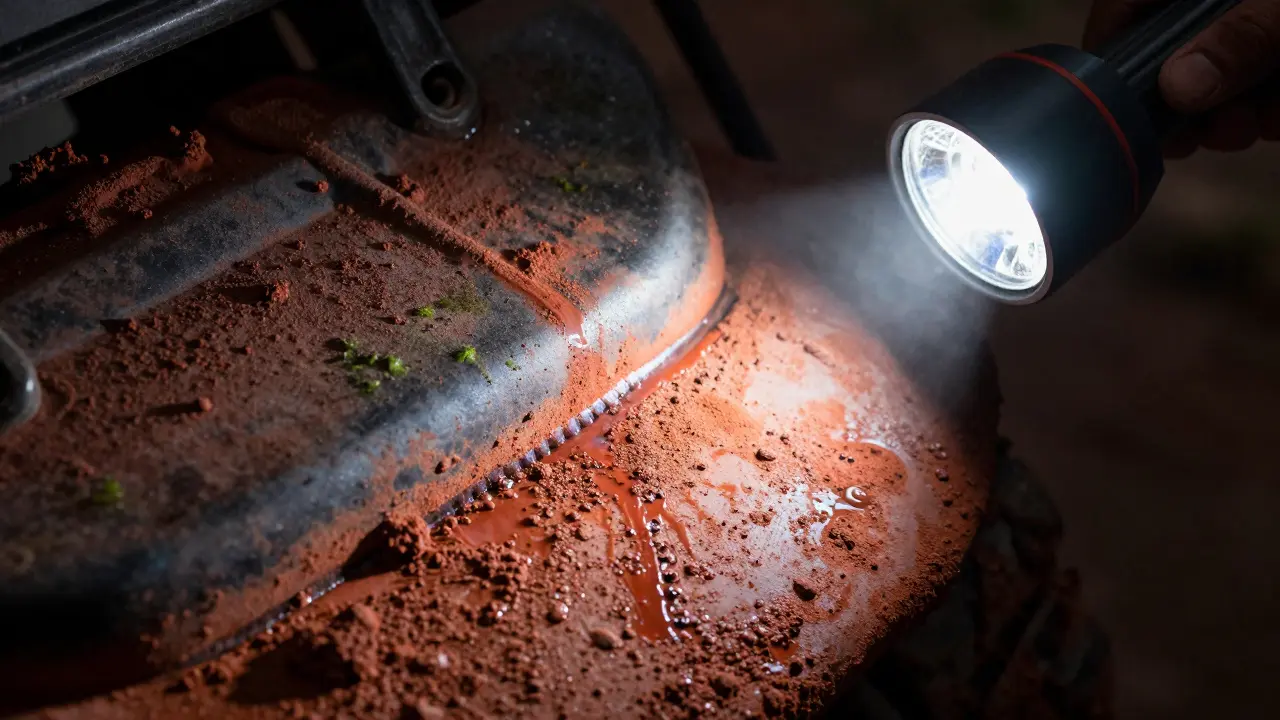
Even the best armor degrades over time. Rust creeps in where water pools, particularly in coastal environments or regions using road salt. Every six months, you should crawl underneath your vehicle with a flashlight.
- Check weld seams for cracks starting from high-stress impact zones.
- Inspect mounting bolts for loosening caused by vibration.
- Clean accumulated mud that traps moisture against metal surfaces.
- Apply a protective coating to exposed cut edges on custom builds.
Neglecting these small tasks invites corrosion that compromises structural integrity years down the line. A loose bracket falling off mid-trail turns a manageable situation into a roadside emergency.
Do I need a skid plate for highway driving?
Factory bumpers and undercovers handle occasional gravel, but they lack impact strength for potholes or road debris. Unless you strictly drive on perfect roads, a light protective cover helps prevent wind damage accumulation, though aggressive plating is unnecessary.
Will skid plates void my warranty?
Generally, no. Installing aftermarket armor is allowed unless it causes damage to surrounding sensors or wiring. Document your installation process and use reputable brands to prove you followed safety standards during any claim disputes.
Can I install a skid plate myself?
It depends on the type. Drop-in bolt-ons are DIY-friendly with basic tools. Custom-welded plates require jacking up the vehicle safely and aligning mounting points precisely. If unsure, professional installation ensures alignment doesn’t interfere with suspension travel.
How much does a quality skid plate cost?
Budget versions range from fifty to one hundred pounds, while comprehensive steel systems cost several hundred. Aluminum and titanium setups are premium investments. Consider this a maintenance cost compared to replacing an oil pump or transmission housing.
Is it worth upgrading from stock plates?
Absolutely. Stock covers are often made of stamped tin designed to meet minimal crash safety standards rather than off-road impacts. Upgrading gives peace of mind and extends the life of sensitive mechanical parts against hidden hazards.
Comments
rahul shrimali
Got mine installed last week and the difference feels immediate.
April 2, 2026 at 08:33
Bhavishya Kumar
While the article presents data adequately, one must note that the grammatical construction regarding torque multiplication lacks precision in its subject-verb agreement. It is imperative that technical documentation remains unambiguous to prevent costly misunderstandings during installation procedures. Clarity in mechanical specifications ensures that builders do not compromise the structural integrity of their vehicle undercarriage. Proper nomenclature facilitates better communication between fabricators and vehicle owners seeking enhanced protection.
April 2, 2026 at 18:55
Bharat Patel
Life on the trail teaches patience and preparedness just like this gear does. We often forget that preparation is the essence of true adventure rather than the destination itself. A sturdy plate reminds us to respect the terrain we traverse with humility.
April 3, 2026 at 10:25
Vishal Gaur
good writeup but honestly who actually checks bolts every six months lol
April 3, 2026 at 15:52
sumraa hussain
!!! wow this really changes perspective !!! on safety !!!
April 5, 2026 at 06:22
Parth Haz
Great read! Upgrading is always a step towards better adventures!
April 5, 2026 at 16:14
Bhagyashri Zokarkar
omg i am so worried about my car engine and every time i drive over rocks i feel like the world is ending why did nobody tell me this sooner i was driving on gravel yesterday and felt something scrape and now im crying inside because oil leaks ruin lives and money is tight you know how hard it is to save up for repairs when life happens and they sell cheap stuff online so be careful everyone please i just want safe trails and no more heartbreak over metal sheets...
honestly the mud gets stuck everywhere too and water damage is scary and rust creeps in places you cant see easily i checked my weld seams last week and found a small crack near the stress zone and now im shaking thinking about the next trip off road because i dont have money for welding repairs right now i hope aluminum holds up better for me because steel is too heavy for my budget and suspension travel feels limited already
everyone needs to understand that ignoring maintenance is dangerous behavior that puts lives at risk not just machines and the cost of neglect outweighs the initial investment significantly when accidents happen far away from help stations where tow trucks are expensive and scarce.
April 5, 2026 at 18:52
Eka Prabha
The OEM manufacturers suppress this tech until aftermarket demand forces their hand regarding durability specs. It appears that profit margins dictate the thickness of sheet metal supplied from the factory floor directly impacting consumer safety protocols. Independent analysis reveals that stock covers offer minimal resistance against kinetic impact forces common in severe environments. Advanced metallurgical compounds remain proprietary secrets withheld from public knowledge databases. Strategic procurement of third-party armoring solutions becomes necessary to circumvent intentional design vulnerabilities embedded by default.
April 7, 2026 at 16:15
Raji viji
Stop buying plastic trash you idiots get real armor or cry in the ditch. UHMW is a joke for anything harder than loose sand dunes and anyone claiming otherwise is selling snake oil. Full steel fabrication is the only way to survive serious abuse zones without total drivetrain failure. Your wallet bleeds less than your motor casing eventually.
April 8, 2026 at 17:47
Vishal Bharadwaj
actually most people buy these for looks only and steel adds drag weight unnecessarily if you run mostly pavement roads it feels like cargo. DIY isnt worth it unless u have lift access properly calibrated otherwise alignment suffers badly. Custom fab costs money that regular commuters wont spend on unnecessary gear anyway.
April 8, 2026 at 21:09
Rubina Jadhav
Thank you for sharing this info it helps new drivers understand risks. Everyone deserves safe travels and proper knowledge keeps cars running longer.
April 9, 2026 at 07:15
Rajashree Iyer
Is protection merely physical or does shielding the machine reflect our own vulnerability against chaos? The barrier between metal and earth defines our limits in the wild landscape surrounding us. Armor becomes a metaphor for survival instincts deep within the human soul confronting nature's indifference.
April 10, 2026 at 21:26