
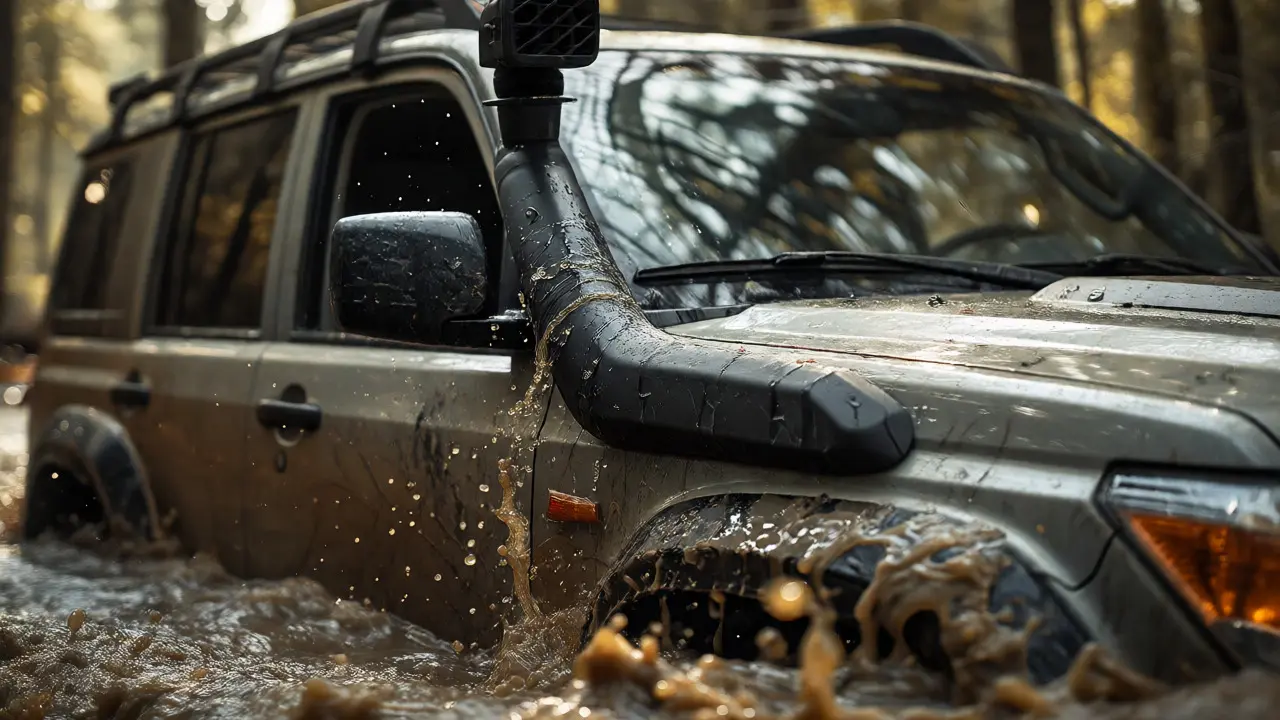
You are deep in the mud, the engine is roaring, and suddenly the tachometer drops. You didn't hit a rock; you drowned your engine. For many off-roaders, this nightmare happens because they underestimate the importance of snorkels. A snorkel is not just a cosmetic accessory that makes your truck look like it’s ready for a desert rally. It is a critical piece of engineering that elevates your vehicle's air intake point, keeping dangerous debris out and clean oxygen in.
If you drive an SUV or pickup with high clearance, you likely already have better ground clearance than a sedan. But standard air intakes are often positioned low on the fender or near the wheel well. This means every time you splash through a creek or kick up a cloud of red dirt, your engine is inhaling what everyone else is exhaling. Understanding how a snorkel works-and why it matters more than most people realize-can save you thousands in engine repairs.
What Exactly Is an Off-Road Snorkel?
At its core, a snorkel is an extension of your vehicle’s existing air intake system. It redirects the entry point from a low position to a higher one, usually at the top of the front fender or near the A-pillar. Think of it like drinking through a straw while submerged in a pool. If your head (the engine) is underwater, you can’t breathe unless you extend the straw (the snorkel) above the surface.
The primary goal isn't always to cross rivers deeper than your roofline, though that is a major benefit. The more common daily use case is dust reduction. When you drive behind another vehicle on a dry trail, you are breathing in particulate matter that clogs filters and scores cylinder walls. By moving the intake higher, you bypass the immediate "rooster tail" of dust kicked up by the tires ahead of you.
| Feature | Standard Factory Intake | Aftermarket Snorkel |
|---|---|---|
| Intake Location | Low fender, wheel well, or grille | High fender, A-pillar, or roofline |
| Dust Exposure | High (captures tire spray and road dust) | Low (above the immediate dust cloud) |
| Water Risk | Hydrolock risk at shallow depths | Safe up to hood height (varies by model) |
| Aesthetics | Stock, invisible | Rugged, aggressive visual profile |
The Myth of Hydrolocking: How Snorkels Save Engines
Let’s talk about hydrolock. This term scares off-roaders for good reason. Internal combustion engines compress air, which is compressible. Water, however, is not. If a significant amount of water enters the cylinders, the piston cannot complete its stroke. The result? Bent connecting rods, cracked pistons, or a shattered engine block. It’s catastrophic and expensive.
A standard airbox sits low enough that splashing through a puddle three feet deep can suck water directly into the filter. Once the filter gets wet, it becomes a sponge. It stops filtering air and starts letting water droplets pass through to the throttle body. A snorkel raises this threshold significantly. While no snorkel makes a vehicle fully submersible like a submarine, it buys you crucial inches of depth. Most quality snorkels allow safe passage through water up to the bottom of the hood line, provided you maintain a steady speed and don’t create a bow wave that crashes over the intake.
But here is a nuance many beginners miss: a snorkel does not seal the rest of the engine bay. Your alternator, fuse box, and ignition coils still hate water. So, while your engine might survive the wade, your electronics might not. Always check your vehicle’s specific electrical waterproofing before attempting deep water crossings.
Dust Management: The Silent Engine Killer
Water kills engines quickly. Dust kills them slowly. In arid environments like the Australian Outback, the American Southwest, or African safaris, dust is the primary enemy. Fine silica particles act like sandpaper inside your engine. Over time, they wear down piston rings and cylinder walls, leading to loss of compression and oil consumption.
Factory air filters are designed for paved roads and occasional gravel. They are not optimized for continuous exposure to heavy dust loads. A snorkel helps by placing the intake in cleaner air. Studies on commercial fleet vehicles operating in mining regions show that elevated intakes can reduce filter replacement intervals by up to 30%. That means less downtime and lower maintenance costs.
Furthermore, many modern snorkel systems come with pre-cleaners or cyclonic separators. These devices use centrifugal force to spin incoming air, throwing heavier dust particles out through a small valve at the bottom of the housing before the air even reaches the main filter. If you live in a dusty region, pairing a snorkel with a high-flow, washable cotton gauze filter (like those from K&N) creates a robust defense system against abrasive particles.

Material Matters: Plastic vs. Aluminum Snorkels
When you go shopping for a snorkel, you will encounter two main materials: rotationally molded plastic and aluminum. Choosing between them depends on your driving style and budget.
Plastic snorkels are typically made from polyethylene. They are cheaper, lighter, and resistant to rust. Modern plastics are surprisingly durable and can flex slightly upon impact without cracking. However, they can become brittle in extreme cold or degrade under prolonged UV exposure if not treated properly.
Aluminum snorkels are the choice for serious expedition vehicles. They are stronger, offer a sleeker look, and are easier to repair if dented. Aluminum won’t crack like plastic, but it can dent. More importantly, aluminum conducts heat. If your engine bay runs hot, the metal pipe can transfer some of that heat to the intake air, potentially reducing power slightly due to warmer air density. Plastic acts as an insulator, keeping the intake air cooler.
- Choose Plastic if: You are on a budget, drive mostly in moderate climates, and want easy installation.
- Choose Aluminum if: You are building a long-distance overland rig, need maximum durability against rocks and branches, and prioritize aesthetics.
Installation Pitfalls to Avoid
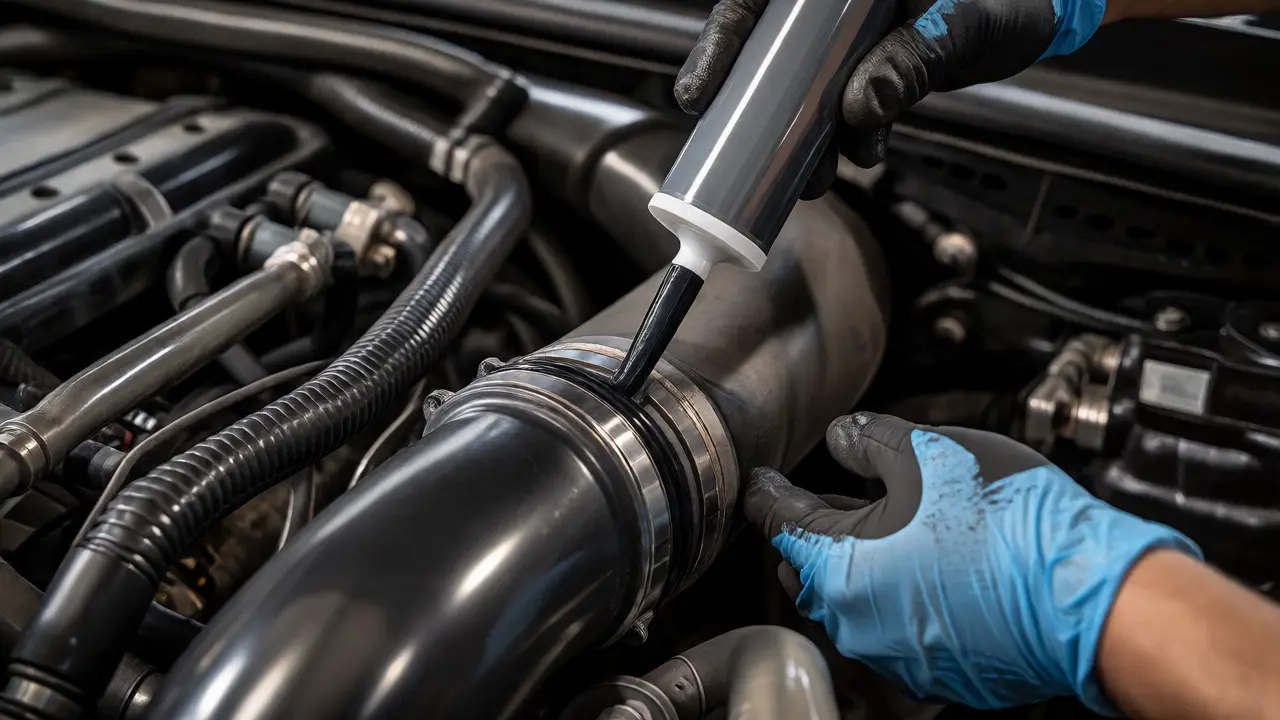
Buying the part is half the battle. Installing it correctly is where things get tricky. Many DIY enthusiasts mess up the seal between the snorkel tube and the factory airbox. If this connection leaks, you are sucking in unfiltered air from the engine bay, rendering the whole upgrade useless.
First, ensure you drill holes precisely. Most kits include templates, but double-check them. A misaligned hole can cause vibration noise or stress cracks later. Second, use proper sealing methods. High-temperature silicone sealant is your friend, but don’t overdo it. Excess sealant can drip into the intake tract and cause issues.
Third, consider the routing. Some snorkels require cutting into the inner fender liner. Make sure you secure all wiring harnesses and brake lines away from the new path. Rubbing against sharp metal edges can chafe wires over time, leading to electrical gremlins. Finally, test the fitment before final tightening. With the hood open, start the engine and listen for hissing sounds indicating air leaks around the mounting points.
Does a Snorkel Improve Performance?
This is a common question. Does raising the intake make your car faster? Technically, yes, but barely noticeable in street driving. Cooler air is denser, containing more oxygen molecules per cubic foot. Since combustion requires oxygen, denser air allows for more fuel injection and potentially more power. Because the snorkel draws air from outside the hot engine bay, it provides slightly cooler air than the stock location, which often pulls hot air from the radiator area.
However, do not expect a massive horsepower gain. Any performance increase is marginal, perhaps 1-3%, unless paired with other modifications like a cold air intake kit or an ECU tune. The real value lies in reliability and longevity. You are buying peace of mind, not lap times. If someone tells you a snorkel adds 50 horsepower, they are selling something else.
Related Concepts and Next Steps
Installing a snorkel is part of a broader strategy for protecting your vehicle in harsh conditions. It works best when combined with other upgrades. Consider adding a breather kit for your differentials and transmission to prevent water ingress during deep wades. Upgrade your air filter to a high-capacity model designed for off-road use. And don’t forget to inspect your door seals and weatherstripping, as water entering the cabin can damage electronics just as badly as water entering the engine.
For those planning serious expeditions, research the specific flooding depth limits of your vehicle model. Manufacturers like Toyota and Land Rover publish these specs. Knowing your exact limit prevents guesswork. Also, join local off-road clubs. Experienced drivers can share tips on which snorkel brands hold up best against the specific terrain in your region.
Can I install a snorkel myself?
Yes, most universal or vehicle-specific snorkel kits are designed for DIY installation using basic hand tools. You will need a drill, hole saws, and silicone sealant. However, precision is key. If you are uncomfortable drilling into your fender or working near sensitive electronics, hiring a professional installer is worth the cost to avoid mistakes.
Will a snorkel void my warranty?
It depends on your dealer and local laws. Generally, aftermarket modifications do not automatically void the entire vehicle warranty. However, if the snorkel installation causes a leak that damages the engine, the dealer may deny a claim related to that specific damage. Keep all receipts and installation documentation to prove the work was done correctly.
Do snorkels work for diesel engines too?
Absolutely. Diesel engines are actually more vulnerable to water ingestion than gasoline engines due to their higher compression ratios. A single drop of water in a diesel cylinder can cause severe damage. Snorkels are highly recommended for diesel trucks and SUVs used in off-road or industrial applications.
How much does a snorkel cost?
Prices vary widely based on material and brand. Basic plastic universal kits can range from $100 to $200. Vehicle-specific plastic models typically cost between $200 and $400. High-end aluminum or carbon fiber options can exceed $500. Professional installation adds another $100 to $200 to the total.
Does a snorkel increase wind noise?
Slightly, yes. At highway speeds, you may notice a subtle increase in wind noise near the A-pillar. However, modern designs are aerodynamically shaped to minimize this. For most drivers, the noise is negligible compared to the benefits of cleaner air and engine protection.