
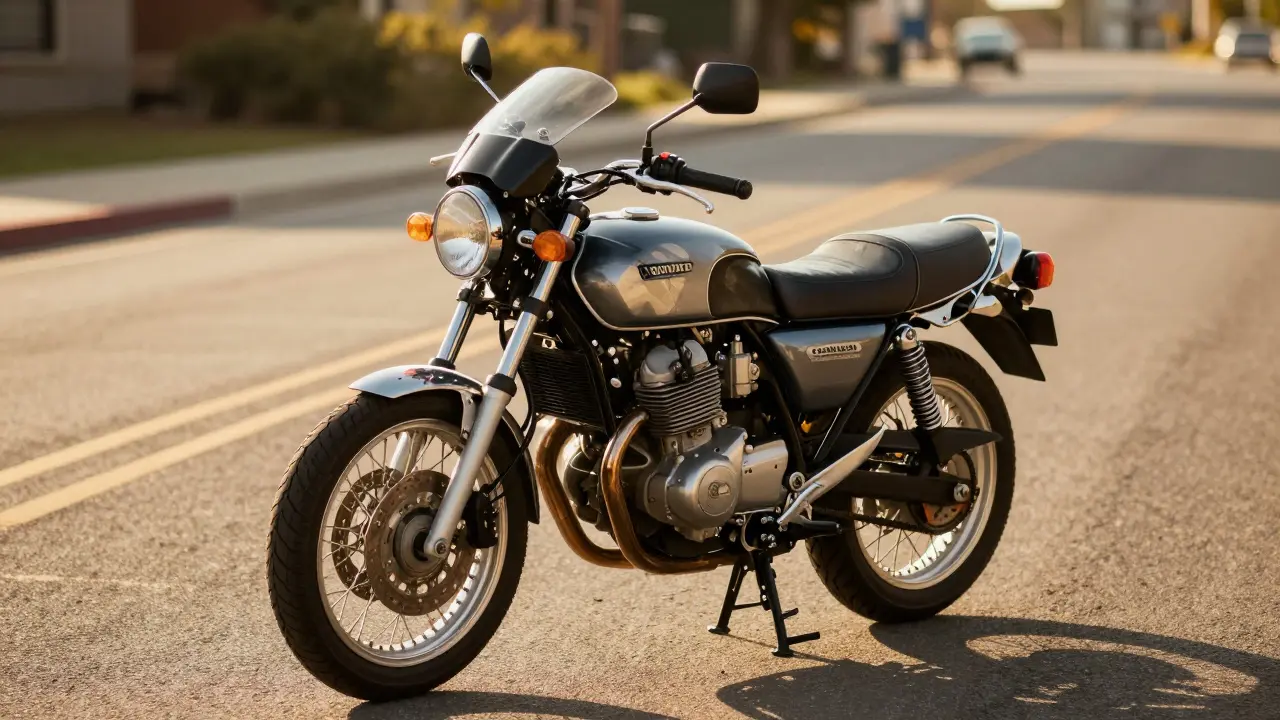
Walk into any dealership lot, and you’ll see rows of machines that look almost identical at first glance. They have exposed engines, upright seating positions, and handlebars that aren't too high or too low. But if you ask a mechanic or a seasoned rider to classify them, they might use two different terms: standard motorcycles are classic riding position bikes with clip-on or flat handlebars and mid-mounted footpegs, designed for balanced handling and versatility. Then there are naked bikes, which are motorcycles without fairings or windshields, emphasizing raw mechanical aesthetics and agile urban maneuverability. The confusion is understandable. For decades, these categories blurred together. Today, however, the distinction matters more than ever. One category leans toward traditional balance and touring capability, while the other prioritizes street-fighting agility and modern electronics. If you’re looking for a single bike that can handle your commute, weekend canyon runs, and everything in between, knowing the difference could save you from buying the wrong machine.
The Anatomy of a Standard Motorcycle
To understand where we are, we have to look back. The term "standard" comes from an era when this was simply the default configuration for most motorcycles. Think of the iconic Honda CB750 from the 1970s or the Yamaha XJ6. These bikes were built on a simple philosophy: give the rider a neutral posture that allows control over long distances without sacrificing cornering ability. A standard motorcycle features a specific geometry. The handlebars are usually mounted directly to the triple tree (clip-ons) or slightly raised flat bars. Your feet sit in the middle of the bike’s length, not forward like on a cruiser and not pulled up tight like on a sportbike. This triangle-hands, eyes, and feet-is centered over the wheelbase. Why does this matter? Because it gives you equal leverage over both the front and rear suspension. You can shift your weight easily to initiate a turn or stabilize the bike during emergency braking. Unlike their stripped-down cousins, many modern standards still retain partial fairings. You’ll often find a small nose cone around the headlight and perhaps a modest windscreen. This isn’t just for looks; it helps direct airflow away from your chest, reducing fatigue on highway stretches. Brands like Triumph with their Street Triple series (though often called naked, they bridge the gap) and Kawasaki with the Z-series have kept this lineage alive, evolving the classic standard into a high-performance daily driver.
The Rise of the Naked Bike
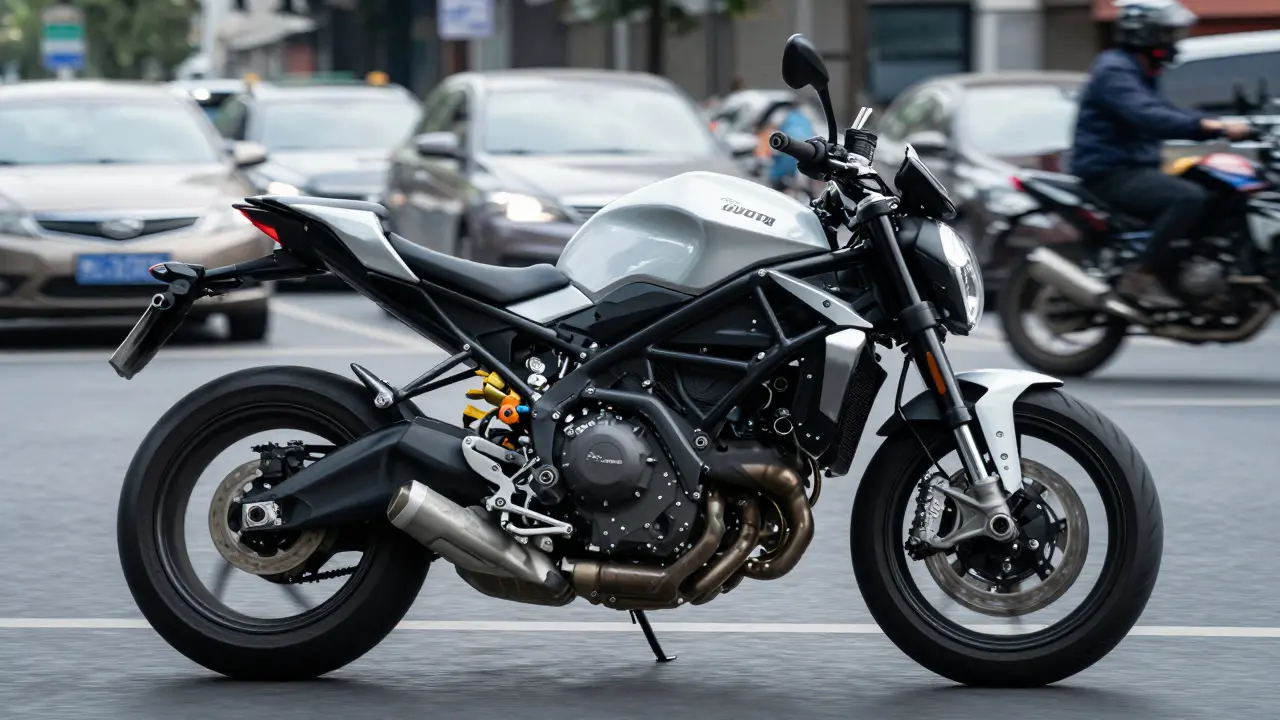
If the standard is the reliable workhorse, the naked bike is the rebellious artist. The term "naked" refers specifically to the absence of bodywork. No plastic fairings, no aerodynamic shrouds, no large windshields. Just the engine, frame, and wheels on display. This aesthetic choice started as a way to reduce cost and weight but evolved into a distinct style statement. Naked bikes prioritize immediate feedback. Without fairings to smooth out the air, you feel every gust of wind and every vibration from the road. For city riding, this is a feature, not a bug. The compact size and lack of protruding plastics make them incredibly easy to weave through traffic. Models like the Ducati Monster or the BMW F 800 R define this category. They often come with aggressive styling cues-exposed trellis frames, muscular fuel tanks, and minimalist tail sections. However, the definition has shifted. In the early 2000s, a naked bike was often a detuned sportbike with the fairings ripped off. Today, manufacturers build dedicated naked platforms. They use wider handlebars for better low-speed stability and lower seat heights to appeal to a broader range of riders. The result is a machine that feels lighter and more playful than a traditional standard, even if the actual weight difference is negligible.
| Feature | Standard Motorcycle | Naked Bike |
|---|---|---|
| Bodywork | Partial fairings, nose cone, small windshield | Minimal to none, exposed engine/frame |
| Handlebars | Clip-ons or flat bars, moderate reach | Wider flat bars or riser bars, relaxed grip |
| Riding Position | Neutral, balanced weight distribution | Slightly more upright, feet often further forward |
| Wind Protection | Moderate, reduces chest buffeting | Minimal, rider acts as the windshield |
| Primary Use Case | Long-distance commuting, mixed terrain | Urban agility, short trips, track days |
| Aesthetic Focus | Functional, classic proportions | Raw, mechanical, aggressive styling |
Performance and Handling Dynamics
When you sit on a standard motorcycle, you notice the balance immediately. The center of gravity is tuned for predictability. If you’re taking a twisty mountain road, a standard bike will feel planted. The suspension setup is usually biased toward comfort without sacrificing too much responsiveness. You can carry a passenger or luggage without the bike feeling top-heavy. This makes standards excellent "all-rounder" choices for riders who don’t want to specialize. Naked bikes, on the other hand, excel in acceleration and low-speed maneuverability. Because they often lack the aerodynamic drag of fairings, they can feel quicker in stop-and-go traffic. The wider handlebars provide more leverage for steering at slow speeds, making parking lots and congested streets less stressful. However, this agility comes with a trade-off at higher speeds. Without wind protection, fighting air resistance becomes exhausting after 45 minutes. Your arms may tire from holding the wide bars against the slipstream, and your core muscles engage constantly to stay stable. Consider the Kawasaki Z900 versus the older Ninja 900 platform. While sharing similar engines, the Z900’s naked configuration changes how the power is delivered. It’s tuned for torque rather than peak horsepower, giving it a punchier feel in the mid-range where city riding happens. A standard counterpart might hold a higher top speed more comfortably due to aerodynamics, but it won’t dart away from a green light as effortlessly.
Comfort and Ergonomics: Who Wins?
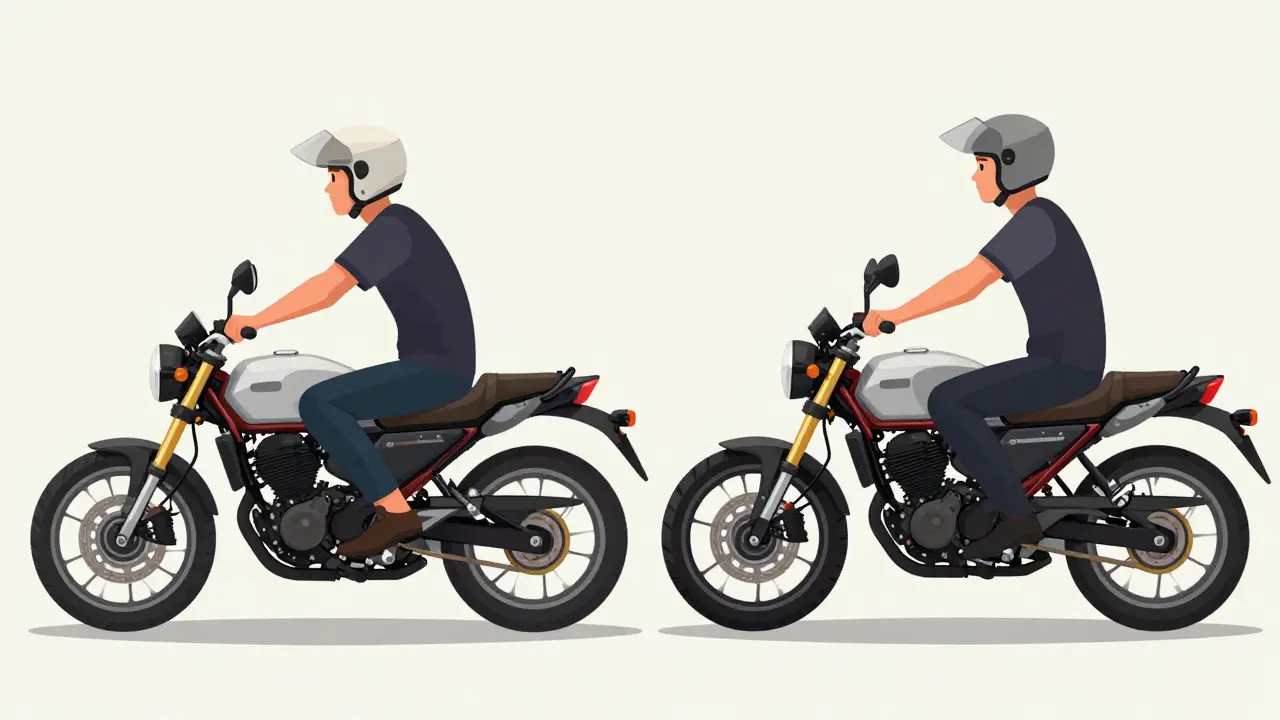
Comfort is subjective, but ergonomics are measurable. Let’s look at three key factors: wrist strain, back support, and leg room. Wrist Strain: Standard bikes with clip-on handlebars require you to reach forward slightly. This engages your core and keeps your shoulders open, which is good for posture but can strain wrists if the bars are too low. Naked bikes with wider, higher bars keep your arms straighter, reducing wrist load significantly. If you have carpal tunnel or shoulder issues, a naked bike’s ergonomics might be kinder. Back Support: The upright stance of both categories is far superior to sportbikes. However, standards often have slightly more forward-leaning geometries. Over long distances, this can cause lower back fatigue. Naked bikes encourage a more vertical spine alignment, which distributes weight evenly through the seat and legs. For daily commuters covering 30+ miles, this subtle difference adds up. Leg Room: Standard motorcycles typically have mid-controls, meaning your knees bend at a natural angle. Naked bikes sometimes move the pegs slightly forward to accommodate a more relaxed leg extension. This is great for taller riders but can make shorter riders feel stretched out, reducing their ability to plant a foot confidently at stops.
Technology and Modern Features
You might assume that because naked bikes are "stripped down," they lack technology. That’s a misconception. In fact, the naked segment has become the testing ground for advanced rider aids. Manufacturers know that naked buyers want performance without complexity, so they integrate tech seamlessly. Most modern naked and standard bikes now come with:
- Traction Control Systems (TCS): Essential for managing power delivery on wet roads or slippery surfaces. Naked bikes, with their exposed chain drives, benefit greatly from TCS to prevent wheelies during hard acceleration.
- Cruise Control: Once a luxury reserved for touring bikes, cruise control is now common on mid-range standards and high-end nakeds. It transforms highway commuting by reducing right-arm fatigue.
- Quick Shifters: Allow gear changes without using the clutch. This is particularly useful in city traffic where frequent shifting can wear out your left hand.
- Connected Apps: Bluetooth integration for navigation prompts and call alerts. Since naked bikes lack large dashboards behind windshields, these apps project info onto your smartphone or a compact TFT display.
Which One Should You Buy?
Choosing between a standard and a naked bike depends entirely on your riding habits. Ask yourself these three questions: 1. What is your average trip length? If most of your rides are under 20 miles, a naked bike is likely the better choice. Its agility and ease of handling in traffic will make your commute enjoyable. If you regularly take highways or scenic routes exceeding 50 miles, the wind protection and ergonomic balance of a standard motorcycle will keep you fresher upon arrival. 2. Do you carry passengers or luggage? Standards generally have more robust subframes and mounting points for luggage racks. Their seating position also accommodates a pillion passenger more comfortably, as the rider’s weight doesn’t shift as drastically. Naked bikes are primarily solo machines. Adding a passenger can upset the balance and expose the guest to harsh winds. 3. What is your skill level? For beginners, the forgiving nature of a standard bike is appealing. The predictable handling teaches proper cornering techniques. However, many entry-level naked bikes (like the Yamaha MT-07) are praised for being incredibly user-friendly due to their lightweight feel and manageable power. Neither category is inherently "harder," but standards offer a smoother learning curve for transitioning to sportier riding later.
Maintenance and Ownership Costs
Ownership costs are similar across both categories since they share many mechanical components. Engine service intervals, tire replacement schedules, and insurance rates depend more on displacement and brand than on bodywork style. However, there are minor differences. Naked bikes, with their exposed chains and sprockets, require more frequent cleaning and lubrication. Dirt and debris accumulate faster without plastic guards. Standards with partial fairings offer some protection, though not complete coverage. Additionally, repair costs for cosmetic damage tend to be lower on naked bikes. Scratching a plastic fairing on a standard can be expensive to replace; scuffing the paint on a naked tank is easier and cheaper to touch up. Resale value remains strong for both, especially for popular models from Honda, Yamaha, and Kawasaki. The demand for versatile, all-purpose motorcycles has never been higher, ensuring that your investment holds its worth well.
Are standard motorcycles the same as naked bikes?
Not exactly. While they share similar riding positions, standard motorcycles typically retain some fairings and windshields for aerodynamics and comfort. Naked bikes are defined by their lack of bodywork, exposing the engine and frame. The line has blurred in recent years, but the presence or absence of plastic cladding remains the primary visual and functional distinction.
Which is better for beginners: standard or naked?
Both are excellent choices for beginners. Naked bikes often have lower seat heights and lighter handling, making them less intimidating at slow speeds. Standard bikes offer a more balanced posture that teaches good cornering habits. Choose based on your local riding environment: pick a naked for city traffic and a standard for mixed commuting.
Can I install a windshield on a naked bike?
Yes, many aftermarket companies produce bolt-on windshields for popular naked models. However, adding a large windshield to a naked bike can create turbulence and wind buffeting because the frame wasn't originally designed to manage airflow around a screen. It’s a compromise that improves comfort but may affect stability at high speeds.
Do naked bikes get colder in winter?
Yes, significantly. Without fairings to block wind chill, your hands and chest are fully exposed. Riding a naked bike in freezing temperatures requires heavy protective gear, including heated gloves and a quality textile suit. Standards with nose cones and small screens offer marginal improvement, but neither category is ideal for extreme cold compared to adventure or touring bikes.
What is the most popular naked bike in 2026?
The Yamaha MT-07 continues to dominate sales charts globally due to its affordable price, reliable CP2 engine, and versatile performance. Other top contenders include the Kawasaki Z650 and the Honda CB650R, which blends naked styling with neo-café aesthetics. For premium options, the Ducati Monster and BMW F 900 R remain highly sought after.