
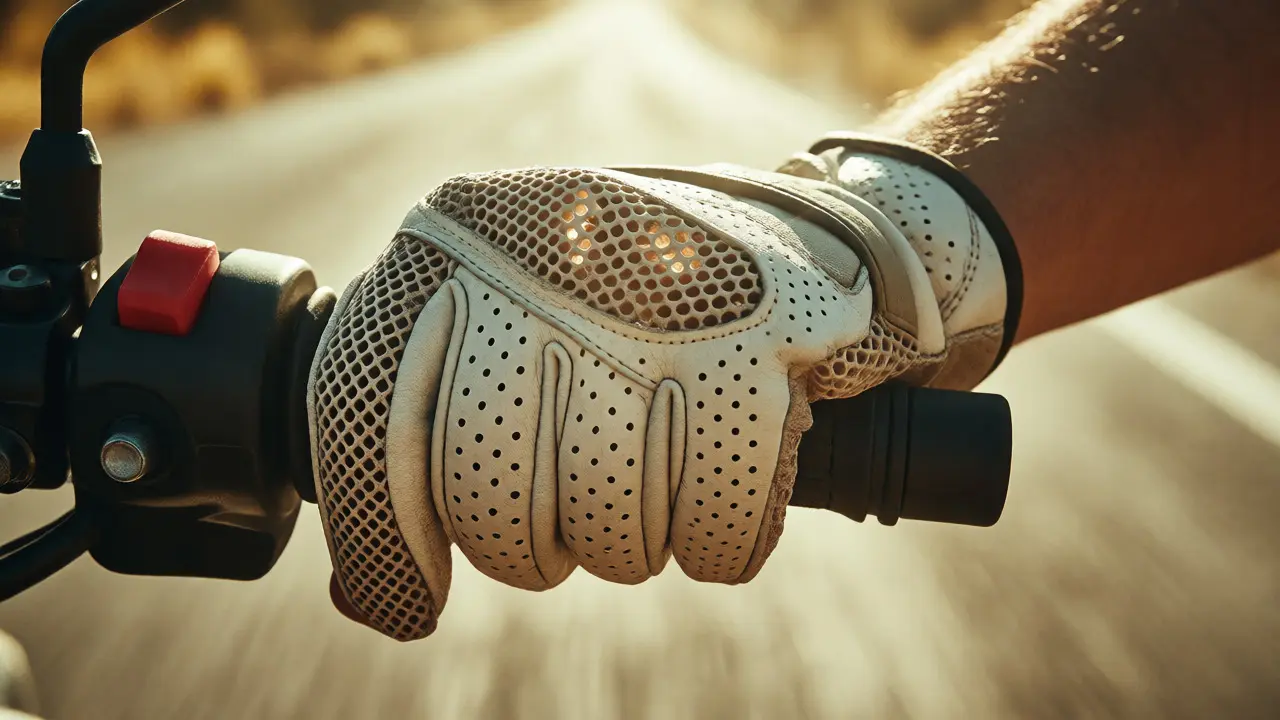
Ever tried to grip a hot handlebar in July with thick winter gauntlets? Your hands sweat, your palms slip, and suddenly you’re fighting the bike instead of riding it. That’s where summer motorcycle gloves come in-they’re designed specifically for warm-weather riding, balancing maximum airflow with essential crash protection. Most riders make the mistake of thinking "ventilated" means "fragile." It doesn’t. The best summer gear uses advanced textiles to keep your knuckles safe while letting air rush through like a fan on your skin.
Why Standard Gloves Fail in Heat
Riding in temperatures above 75°F (24°C) changes everything. Your body tries to cool itself by sweating, but if your hands are trapped in non-breathable leather or synthetic layers, that moisture has nowhere to go. The result isn’t just discomfort; it’s reduced dexterity. When your fingers feel swollen from heat retention, you lose fine motor control over the clutch and brake levers. This is critical because motorcycle safety relies heavily on precise input. If you can’t feel the bite point of your clutch because your glove is too thick or sweaty, you’re more likely to stall or jerk the throttle.
Furthermore, overheating leads to fatigue. Studies on rider ergonomics suggest that thermal stress significantly reduces reaction times. A glove that traps heat forces your cardiovascular system to work harder to cool your core, draining energy that should be going into navigating traffic. You need gear that actively manages this microclimate.
The Science of Airflow: Mesh vs. Perforation
Not all ventilation is created equal. There are two main ways manufacturers let air in: perforation and mesh panels. Understanding the difference helps you choose the right tool for your climate.
| Feature | Perforated Leather | Textile Mesh Panels | Hybrid Designs |
|---|---|---|---|
| Airflow Volume | Moderate (depends on hole density) | High (open weave structure) | Variable (targeted zones) |
| Wind Chill Effect | Low-Medium | High (can get cold at speed) | Balanced |
| Durability | High (if reinforced) | Medium (abrasion risk) | High |
| Best For | Cruising & City Riding | Hot Commuting (<80mph) | Sport & Touring |
Perforated leather involves punching small holes into cowhide or goat skin. It looks sleek and offers good abrasion resistance, but the holes can clog with dirt over time, reducing airflow. Mesh panels, often made from nylon or polyester blends, allow massive amounts of air to pass through. However, pure mesh offers little protection against wind chill once you hit highway speeds. If you ride fast, pure mesh might actually make your hands cold despite the summer sun.
Materials That Protect Without Suffocating
You might assume that thin equals weak. But modern material science has changed the game. The gold standard for high-end summer gloves is Kevlar (aramid fiber), which provides exceptional tensile strength and abrasion resistance without adding bulk. Unlike heavy leather, Kevlar fibers are incredibly light and breathable when woven correctly.
Another key player is Gore-Tex Infinium (formerly Windstopper), a membrane that blocks wind while allowing water vapor to escape. While not fully waterproof like traditional Gore-Tex, it prevents the wind buffeting that causes hand numbness during long rides. For those who want natural breathability, kangaroo leather remains a top choice. It is thinner than cowhide but stronger, offering superior tactile feedback and less insulation.
- Goat Skin: Soft, durable, and naturally porous. Great for casual summer rides.
- Spandex/Elastane Blends: Used in stretch panels to ensure a snug fit without restricting blood flow.
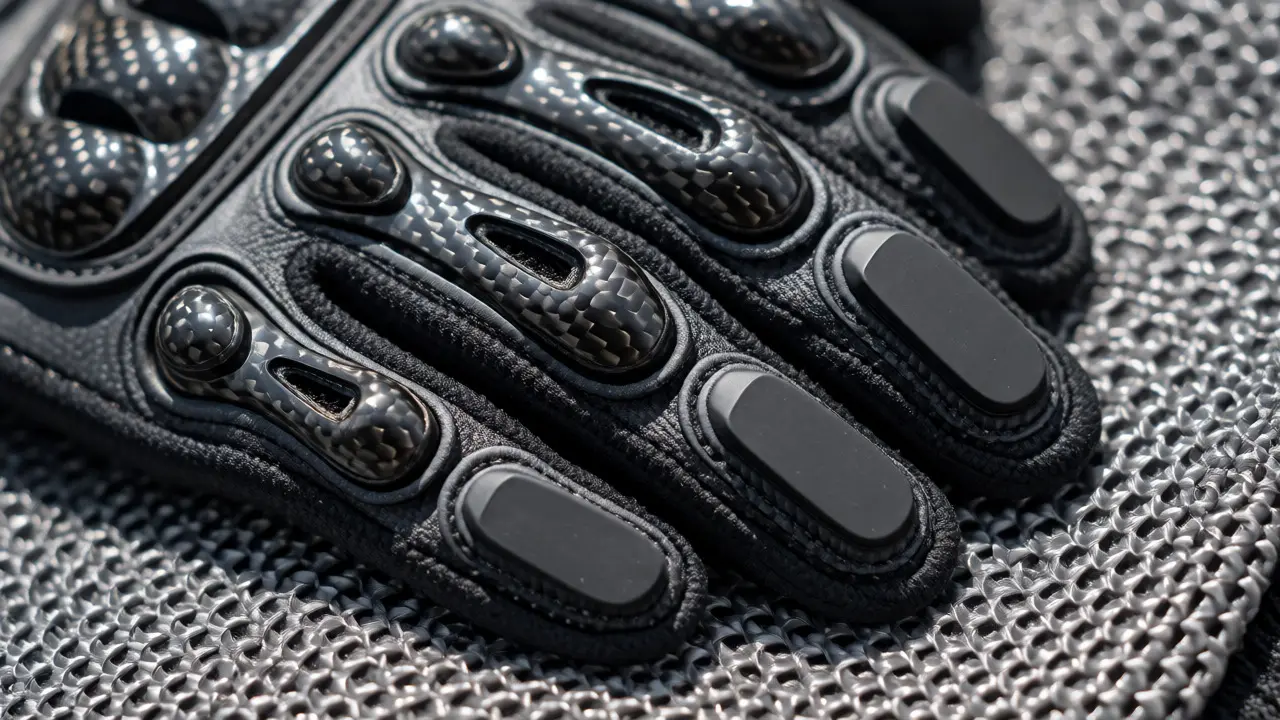
- Carbon Fiber Armor: Lightweight hard parts for knuckle protection that don’t trap heat like plastic molds.
Protection Features You Can’t Skip
Just because it’s hot doesn’t mean you’re immune to crashes. In fact, summer riding often involves higher speeds and longer distances, increasing accident severity. You need specific protection points integrated into the lightweight design.
Look for TPU sliders on the fingertips and palm heel. These hard plastic protrusions prevent the glove from digging into the asphalt during a slide, keeping your hand intact. Knuckle armor is non-negotiable. Modern designs use segmented carbon fiber or flexible TPU shells that move with your hand rather than locking it in place. This flexibility is crucial for gripping bars comfortably.
Also, check for palm reinforcements. Even in summer, your palm takes the brunt of vibration and friction. Double-layered suede or rubberized patches on the pressure points add durability without blocking airflow across the entire hand. Remember, a glove that tears in three months due to poor construction is useless, no matter how cool it feels.
Fit and Comfort: The Hidden Factor
A poorly fitting glove ruins both ventilation and protection. If it’s too loose, it wrinkles and creates hot spots. If it’s too tight, it restricts circulation, making your hands colder and more prone to numbness-yes, even in summer.
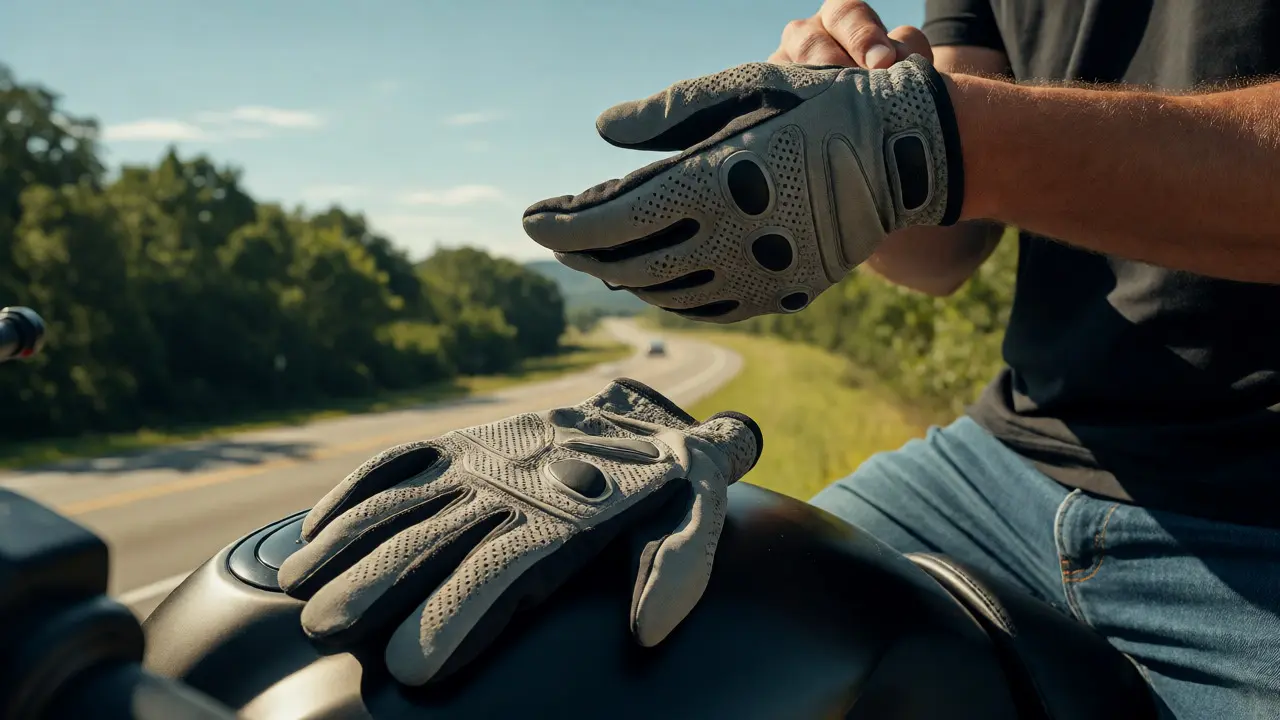
Try the "fist test." Put the gloves on and make a fist. They should feel snug but not constricting. You should be able to wiggle your fingers slightly. Pre-curved fingers are a pro tip; they match the natural position of your hand on the handlebars, reducing fatigue. Also, consider the cuff length. Short cuffs offer better airflow around the wrist but leave that area exposed to road rash. Mid-length cuffs provide a compromise, covering the vulnerable wrist joint while still allowing some air circulation near the forearm.
Maintenance Tips for Longevity
Summer gloves take a beating from sweat, sunscreen, and UV rays. Sweat contains salts that degrade leather and stiffen textile fibers. Rinse your gloves occasionally with mild soap and lukewarm water. Never put them in the washing machine unless the manufacturer explicitly says so. Hang them to dry away from direct sunlight, as UV exposure breaks down elastane and fades colors.
If you have leather components, apply a conditioner every few months to keep them supple. Dry leather cracks, and cracked leather loses its protective integrity. For textile gloves, check the stitching regularly. Frayed threads near the knuckles are early warning signs that the glove is nearing the end of its life.
Are summer motorcycle gloves waterproof?
Generally, no. True waterproofing requires sealed membranes that block air, which defeats the purpose of summer ventilation. Some hybrid gloves offer water-resistant coatings that handle light rain for short periods, but expect wet hands in a downpour. If you need versatility, look for "convertible" gloves with removable liners.
Can I wear summer gloves in spring or autumn?
Yes, up to about 60°F (15°C). Below that temperature, the airflow will cause significant wind chill, leading to numb fingers. For transitional weather, consider gloves with zip-off liners or thicker textile constructions that balance warmth and breathability.
Do touchscreen-compatible fingertips reduce protection?
No, modern conductive thread is integrated into the fabric without compromising structural integrity. However, these fingertips may wear out faster than standard leather tips due to frequent rubbing against screens. Check reviews for durability if this feature is important to you.
How do I clean sweaty summer gloves?
Hand wash with mild detergent and cold water. Avoid bleach or harsh chemicals. Squeeze out excess water gently-do not wring. Lay flat or hang to air dry. Stuffing them with newspaper can help absorb internal moisture and maintain shape.
Is leather or textile better for summer riding?
It depends on your priority. Textile gloves usually offer superior ventilation and lighter weight. Leather provides better abrasion resistance and a classic look but runs hotter. Hybrid gloves combining both aim to give you the best of each world.
Comments
Kendra Edmonds
Perforated leather is garbage for actual summer riding. You just get wind burn and zero protection when you slide. Mesh is the only way.
November 22, 2026 at 09:56