
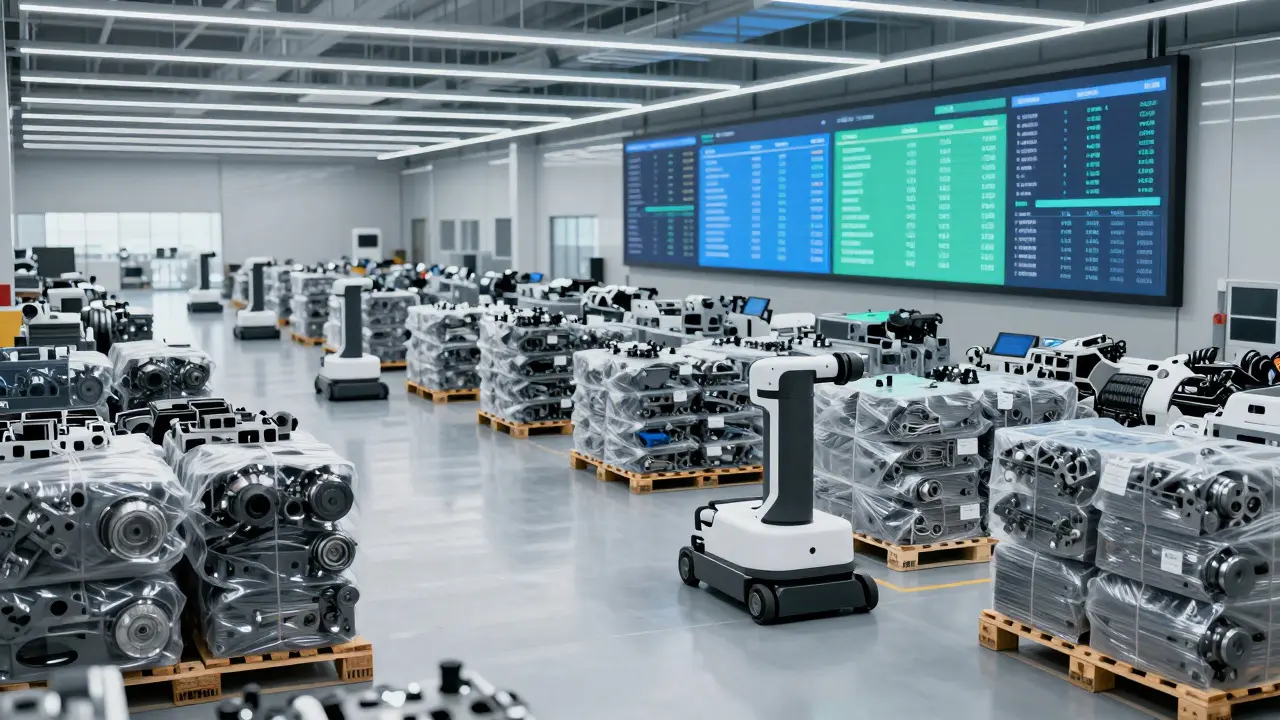
It is August 2026, and if you have been trying to order a new car recently, you might feel like things are finally settling down. The endless waitlists of 2021 and 2022 seem like a distant memory. Dealerships have inventory. Prices have stabilized. But beneath the surface, the automotive supply chain is not exactly "normal." It has evolved. The old ways of doing business-specifically the fragile just-in-time (JIT) manufacturing model that relied on parts arriving hours before they were needed-have been permanently altered by years of global shocks.
We are no longer dealing with simple bottlenecks. We are navigating a complex web of geopolitical tensions, shifting energy policies, and a massive transition toward electric vehicles. The disruptions we see today are different from those five years ago. They are less about sudden stops and more about structural friction. For industry leaders, fleet managers, and consumers alike, understanding these latest trends is crucial for making smart decisions in the current market.
The Shift from Just-in-Time to Just-in-Case
For decades, the auto industry ran on efficiency. Every second counted. Inventory was seen as waste. This philosophy worked beautifully until it didn't. The pandemic proved that having zero buffer stock was a catastrophic risk. Now, in 2026, the dominant strategy is just-in-case (JIC) manufacturing. This means holding more safety stock, diversifying suppliers, and accepting slightly higher costs for significantly greater resilience.
This shift is visible everywhere. Major manufacturers like Toyota and Volkswagen have expanded their warehousing capabilities globally. They are no longer asking suppliers to deliver parts every four hours; they are negotiating contracts that allow for weekly deliveries with larger batch sizes. While this increases working capital requirements, it prevents the kind of production halts that cost billions during the chip crisis. The lesson learned was brutal but clear: reliability now outweighs raw efficiency.
Semiconductors: From Crisis to Strategic Control
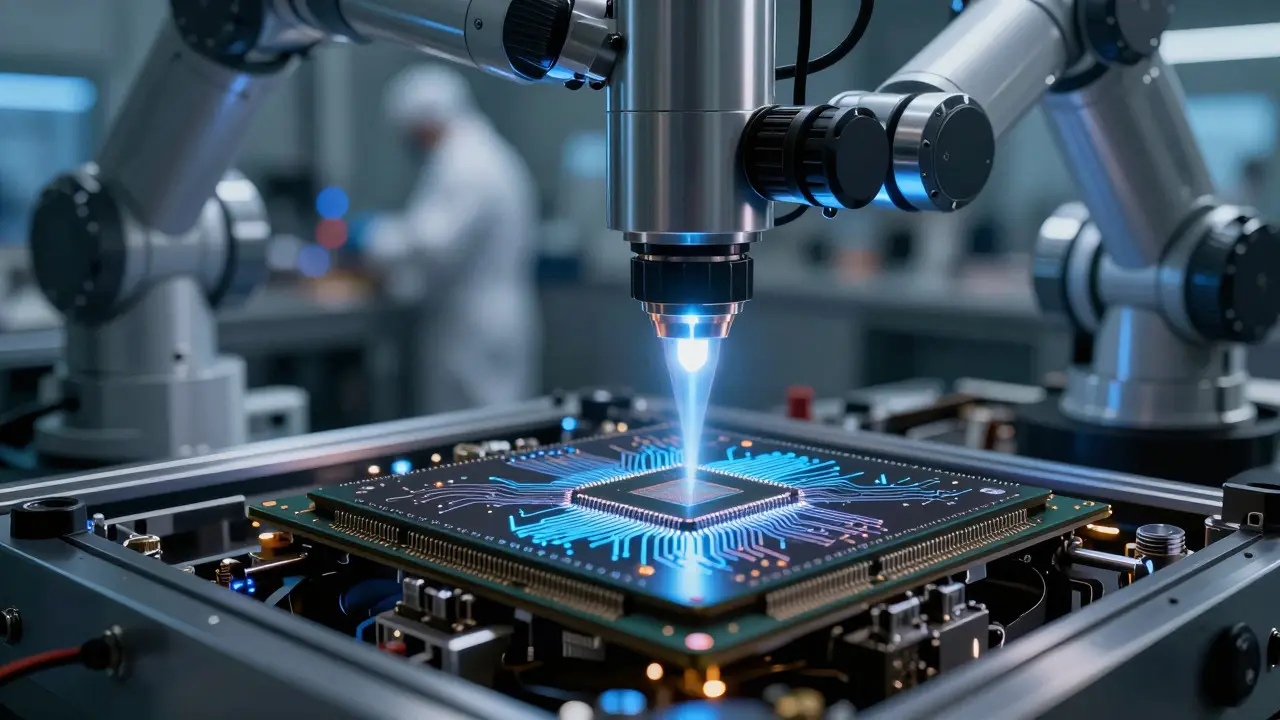
The semiconductor shortage defined the early 2020s. By 2026, the acute phase has passed, but the relationship between automakers and chipmakers has fundamentally changed. Automakers realized they were too dependent on third-party tier-one suppliers who, in turn, depended on a handful of foundries. Today, companies like General Motors and Stellantis are engaging directly with chip designers and fabricators.
We are seeing a rise in vertical integration. Instead of buying black-box modules, OEMs are designing their own software architectures and securing long-term capacity agreements with firms like TSMC and Intel. In the United States, the CHIPS Act has spurred domestic production, reducing reliance on Asian manufacturing hubs. However, this hasn't eliminated risks. Geopolitical tensions between the US and China continue to create uncertainty around advanced node chips used in autonomous driving features. The supply chain is more robust, but it is also more politicized.
| Aspect | Pre-2020 Era | 2026 Current State |
|---|---|---|
| Inventory Model | Just-in-Time (JIT) | Just-in-Case (JIC) / Hybrid |
| Supplier Relationships | Transactional, cost-focused | Strategic partnerships, direct engagement |
| Geographic Focus | Globalized, low-cost regions | Regionalized, near-shoring |
| Risk Management | Reactive | Proactive, digital twin monitoring |
| Chip Procurement | Via Tier-1 suppliers | Direct OEM-to-foundry contracts |
Electric Vehicle Battery Materials: The New Bottleneck
If chips were the problem of the past decade, battery materials are the challenge of the present. The transition to electric vehicles (EVs) has created intense demand for lithium, cobalt, nickel, and graphite. While prices have stabilized somewhat since their peak in 2023, the supply chain remains vulnerable to geographic concentration. Most processing of these raw materials still happens in China.
In response, Western governments and automakers are rushing to build independent supply chains. The European Union's Critical Raw Materials Act and the US Inflation Reduction Act provide subsidies for mining and processing outside of China. We are seeing new projects emerge in Australia, Canada, and Africa, but building a mine takes years, not months. Consequently, some automakers are exploring alternative chemistries, such as sodium-ion batteries, which do not rely on scarce metals. These technologies are beginning to appear in entry-level EVs, offering a potential workaround for material constraints.
Geopolitics and Regionalization
Trade wars and sanctions have reshaped the map of automotive manufacturing. The era of a single global supply chain is over. In its place, we have regional blocs. North America, Europe, and Asia are each developing self-sufficient ecosystems. This trend, known as near-shoring or friend-shoring, reduces shipping distances and political risk but often increases production costs.
For example, many German automakers are moving assembly lines closer to European battery plants to qualify for local content incentives. Similarly, US-based manufacturers are sourcing steel and aluminum from domestic mills to avoid tariffs. This fragmentation means that a disruption in one region is less likely to cripple another, but it also limits economies of scale. Consumers may pay a premium for this stability, but the alternative-global fragility-is no longer acceptable.
Digital Transformation and AI in Logistics
Technology is playing a bigger role than ever in mitigating disruptions. Artificial intelligence and machine learning are being used to predict shortages before they happen. Companies are using digital twins-virtual replicas of their supply chains-to simulate various scenarios. If a port strikes or a factory floods, the system can instantly suggest alternative routes or suppliers.
Blockchain technology is also gaining traction for transparency. It allows all parties in the supply chain to track the origin of materials, ensuring compliance with environmental and labor standards. This is particularly important for battery minerals, where ethical sourcing is a major concern. By digitizing procurement and logistics, automakers are moving from reactive firefighting to proactive management.

Labor Dynamics and Workforce Challenges
Behind every truck and robot is a human element. The auto industry faces significant labor challenges. An aging workforce in traditional manufacturing hubs means a loss of institutional knowledge. At the same time, there is a shortage of skilled workers for new technologies, such as battery engineering and software development.
Recent strikes in the US and Europe have highlighted the tension between automation and job security. While robots handle repetitive tasks, humans are needed for complex assembly and quality control. Companies are investing heavily in training programs to upskill their workforce. Retaining talent is as much a supply chain issue as sourcing parts. A strike at a key supplier can halt production just as effectively as a missing microchip.
What This Means for You
If you are a consumer, the good news is that vehicle availability is better than it has been in years. Wait times for popular models have dropped to weeks rather than months. However, prices remain elevated due to the higher costs of resilient supply chains and new technology. When buying a car, consider total cost of ownership, including maintenance and insurance, not just the sticker price.
For business owners managing fleets, flexibility is key. Diversify your vehicle sources. Don't rely on a single manufacturer or model. Stay informed about lease terms and residual values, as these can fluctuate with supply conditions. And always maintain a buffer in your budget for unexpected logistics costs.
Looking Ahead: Resilience Over Efficiency
The auto industry is still adapting. The next few years will bring further consolidation of regional supply chains and continued innovation in battery technology. Disruptions will still happen-natural disasters, political shifts, and economic cycles are inevitable. But the industry is better prepared. The focus has shifted from cutting corners to building buffers. It is a slower, more expensive way to operate, but it is a safer one.
As we move through 2026, the message is clear: resilience is the new currency. Whether you are an executive planning production or a driver looking for a new ride, understanding these dynamics helps you navigate the road ahead with confidence.
Are car prices going to drop in 2026?
While prices have stabilized, significant drops are unlikely. The shift to just-in-case manufacturing and the high cost of electric vehicle components keep baseline prices elevated. Expect modest discounts on older inventory, but new models will reflect the true cost of a resilient supply chain.
Is the semiconductor shortage completely over?
The acute crisis has ended, but the sector remains sensitive. Automakers now secure chips directly, reducing risk. However, geopolitical tensions and the complexity of advanced chips for autonomous driving mean that localized shortages can still occur. It is no longer a widespread bottleneck, but it is still a strategic priority.
How does the EV transition affect supply chains?
The EV transition introduces new dependencies on battery materials like lithium and cobalt. Unlike traditional engines, batteries require complex mineral processing. This has led to a race for resource independence, with countries investing in domestic mining and recycling to reduce reliance on foreign suppliers.
What is near-shoring in the auto industry?
Near-shoring involves moving production and sourcing closer to the final market. For example, US automakers sourcing parts from Mexico or Canada instead of Asia. This reduces shipping times and political risk, though it often comes with higher labor and operational costs.
Will I face long wait times for a new car in 2026?
Generally, no. Production levels have recovered, and dealerships have healthy inventories. Wait times for most models are back to pre-pandemic norms, typically ranging from a few days to a couple of months for high-demand trims. Custom orders may take longer, but emergency shortages are rare.