
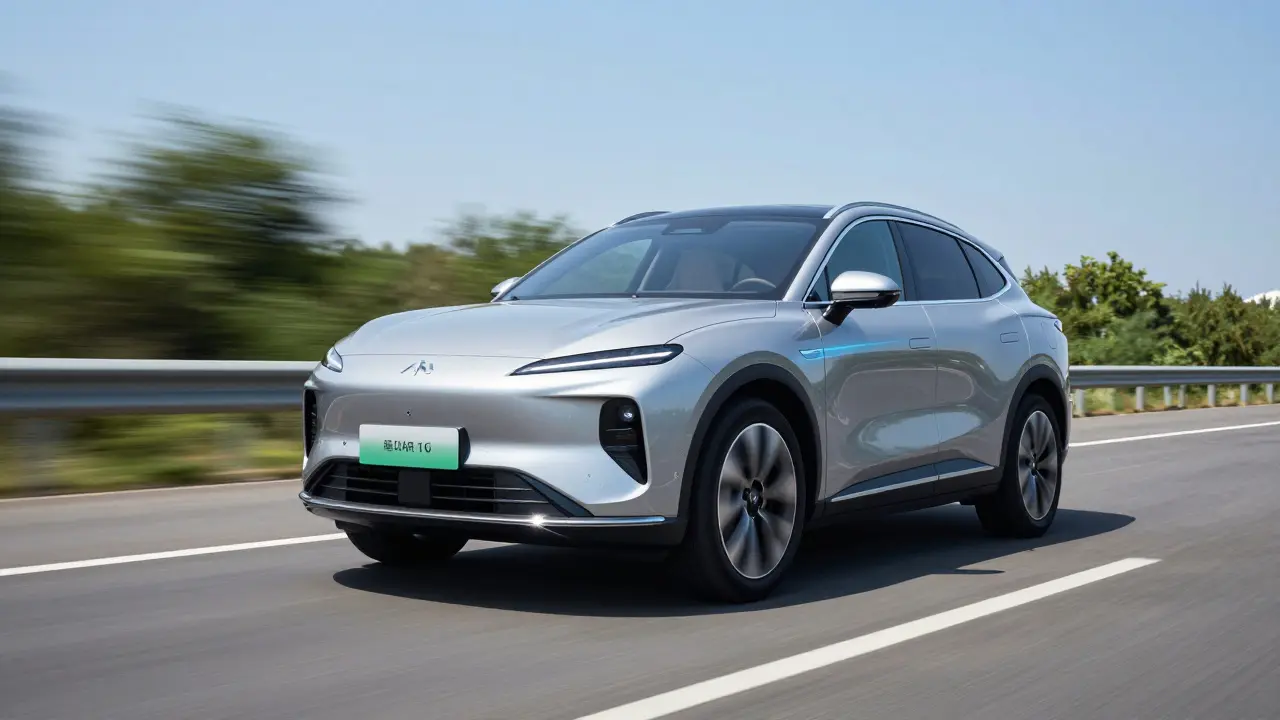
Buying an SUV is often a trade-off between space and efficiency. You get the room for kids, dogs, and weekend gear, but you usually pay for it at the pump. The old idea that all Sport Utility Vehicles are gas-guzzling monsters is outdated, especially in 2026. With advancements in hybrid technology and aerodynamics, many modern crossovers now rival compact cars in mileage. However, squeezing every mile out of your tank still requires understanding how these vehicles work and driving them correctly.
This guide cuts through the marketing hype to show you exactly how to maximize your SUV's fuel economy. We will look at real-world driving habits, maintenance tricks that actually matter, and how different powertrains compare when the rubber meets the road. Whether you drive a rugged off-roader or a sleek urban crossover, these insights will help you save money without sacrificing utility.
Understanding the Physics of SUV Efficiency
To improve your mileage, you first need to understand what fights against your vehicle. An SUV faces three main enemies: weight, wind resistance, and rolling friction. Unlike a sedan, an SUV sits higher, creating more drag as air flows over its boxy shape. This aerodynamic penalty increases significantly at highway speeds. If you cruise at 75 mph instead of 65 mph, your fuel consumption can jump by 15% or more because you are pushing through thicker air.
Weight is the other major factor. A typical mid-size SUV weighs between 4,000 and 4,500 pounds. Every extra pound requires more energy to move. This is why carrying unnecessary cargo in your trunk or roof rack hurts your economy. A loaded roof box can reduce your MPG by up to 25% on the highway due to increased drag. Keep heavy items low and inside the cabin whenever possible.
Rolling resistance comes from your tires. SUVs often come with larger, heavier tires designed for traction rather than efficiency. Over-inflated tires increase wear and reduce grip, while under-inflated tires create excess friction with the road. Checking your tire pressure monthly isn't just a safety tip; it’s a direct way to boost your fuel economy by 1-3%. Use the PSI number listed on the driver’s side door jamb, not the maximum pressure printed on the tire sidewall.
Driving Habits That Save Gallons
Your foot position on the pedal determines your bank balance. Aggressive acceleration and hard braking waste fuel instantly. When you slam on the gas, your engine injects more fuel to meet the demand, often burning it inefficiently. Try to accelerate smoothly, aiming to reach speed within 10 seconds. It feels slower, but your average speed remains similar, and your MPG climbs.
Anticipation is the secret weapon of efficient drivers. Look further down the road. If you see a red light or traffic slowing half a mile away, lift off the accelerator early. Let the vehicle coast to a stop rather than braking late. Modern automatic transmissions and hybrids can recover some energy during this deceleration phase. This technique, known as hypermiling, reduces the number of times you need to re-accelerate from a standstill, which is the most fuel-intensive part of city driving.
Cruise control is a double-edged sword. On flat highways, it maintains a steady speed and prevents accidental speeding, saving fuel. However, on hilly terrain, traditional cruise control may accelerate harder to maintain speed uphill, using more fuel than necessary. In these cases, manual control allows you to build momentum before the hill and coast down the other side. Many newer SUVs offer adaptive cruise control with efficiency modes that learn your route and adjust speed proactively.

Powertrain Choices: Hybrid vs. Electric vs. Gas
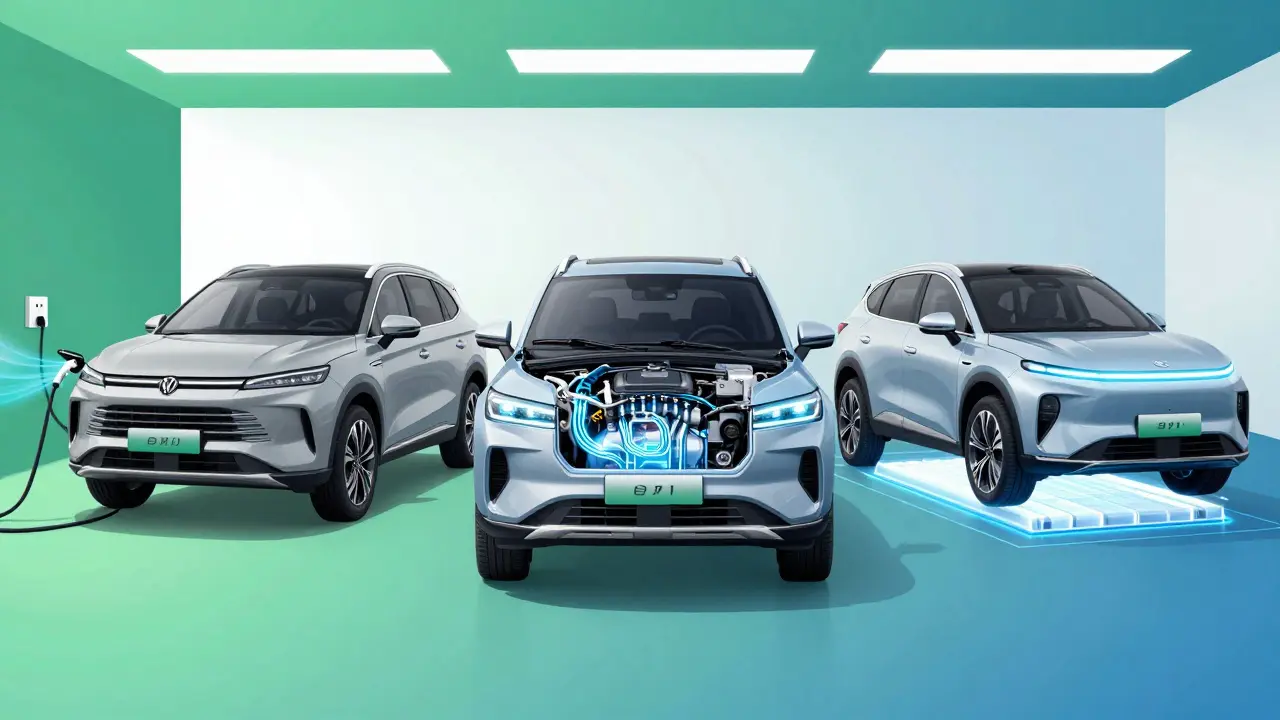
The type of engine under your hood dictates your baseline efficiency. In 2026, the landscape has shifted dramatically. Pure internal combustion engines (ICE) are becoming less common in new models, replaced by hybrid and plug-in options. Understanding the difference helps you choose the right tool for your lifestyle.
| Powertrain Type | Average MPG Range | Best For | Key Limitation |
|---|---|---|---|
| Hybrid (HEV) | 35-45 MPG | City driving, frequent stops | No electric-only range |
| Plug-in Hybrid (PHEV) | 80+ MPGe (combined) | Short commutes + long trips | Requires daily charging for max benefit |
| Battery Electric (BEV) | 90-120 MPGe | All-electric local travel | Charging infrastructure dependency |
| Gasoline (ICE) | 20-30 MPG | Rural areas, towing | Highest operating cost |
Hybrids shine in urban environments. They capture energy during braking and use the electric motor to assist the gas engine at low speeds. If your commute involves lots of stop-and-go traffic, a hybrid like the Toyota RAV4 Hybrid or Honda CR-V Hybrid will outperform almost any gas-only SUV. Plug-in hybrids offer the best of both worlds if you have a home charger. You can drive 30-50 miles on electricity alone for zero fuel cost, then switch to gas for longer journeys without range anxiety.
Pure electric SUVs, such as the Tesla Model Y or Ford Mustang Mach-E, offer the highest efficiency measured in MPGe (Miles Per Gallon Equivalent). Electricity is cheaper per mile than gasoline in most regions, including the UK and US. However, efficiency drops in extreme cold weather. Batteries lose capacity when temperatures fall below freezing, reducing your range by 20-30%. Pre-conditioning your battery while plugged in before winter drives mitigates this loss.
Maintenance Secrets for Better Mileage
A neglected vehicle burns more fuel. Simple maintenance tasks keep your engine running at peak efficiency. Air filters are often overlooked. A clogged air filter restricts airflow to the engine, forcing it to work harder and burn more fuel. Replacing a dirty air filter can improve MPG by up to 10% in older vehicles. Check it every 12,000 to 15,000 miles.
Oil viscosity matters too. Using the wrong grade of oil creates more internal friction. Always follow the manufacturer’s recommendation for synthetic oil. Synthetic oils flow better in cold starts and resist breakdown at high temperatures, providing smoother engine operation. Dirty spark plugs also cause misfires, leading to incomplete combustion and wasted fuel. Replace them according to your service schedule, typically every 30,000 to 100,000 miles depending on the material.
Transmission fluid health impacts shifting smoothness. Sluggish shifts mean the engine revs higher than necessary for the speed you’re traveling. While many modern SUVs have "lifetime" transmission fluid, changing it every 60,000 miles extends life and maintains efficiency. Don’t ignore warning lights. A check engine light often signals issues like a faulty oxygen sensor, which can drop your fuel economy by 40% if left unrepaired.
Real-World Comparison: Top Efficient SUVs of 2026
Not all SUVs are created equal. Some manufacturers prioritize aerodynamics and lightweight materials, while others focus on towing capacity and ruggedness. Here is how some popular models stack up in real-world testing conditions.
The Toyota RAV4 Hybrid remains a benchmark for reliability and efficiency. It consistently delivers around 40 MPG in mixed driving. Its self-charging hybrid system requires no plugging in, making it hassle-free. The Honda CR-V Hybrid offers similar numbers with a slightly more refined ride quality. Both are excellent choices for families who want minimal complexity.
For those willing to plug in, the Ford Escape PHEV provides about 37 miles of electric range. If your daily commute is under 30 miles, you might rarely buy gasoline. The Kia Niro EV pushes the envelope further, offering over 250 miles of range and exceptional aerodynamics. It’s smaller than a traditional SUV but provides ample interior space.
Larger luxury SUVs are catching up too. The Mercedes-Benz EQB combines seven-seat practicality with electric efficiency. While it won’t match the MPG of a compact hybrid, its efficiency rivals that of gas-powered mid-size SUVs. When comparing models, always look beyond the EPA or WLTP ratings. Real-world driving often yields 10-15% lower numbers, especially in winter or with aggressive driving styles.
Advanced Techniques for Extreme Savings
If you really want to push the limits, consider advanced techniques used by fuel-efficiency enthusiasts. Sail mode involves shifting into neutral or using coasting features on highways to minimize engine load. However, this can be dangerous if not done carefully and may void warranties in some regions. Stick to safe coasting with the transmission engaged.
Reducing idling is crucial. Modern engines don’t need warm-up time in the morning. Start driving gently after 30 seconds. Idling gets zero MPG. Turn off your engine if you’re waiting more than 10 seconds. Also, remove roof racks and bike carriers when not in use. Even empty racks disrupt airflow and increase drag. Clean interiors reduce weight slightly, but more importantly, they prevent debris from jamming throttle bodies or sensors in rare cases.
Use navigation apps that optimize for fuel efficiency rather than just speed. Some apps now calculate routes based on elevation changes and traffic patterns to minimize stop-and-go driving. Taking a slightly longer route with fewer hills and lights can sometimes yield better overall efficiency than the shortest path.
Do hybrid SUVs really save money compared to gas models?
Yes, in most scenarios. Hybrids typically achieve 35-45 MPG compared to 20-25 MPG for gas-only equivalents. With current fuel prices, this translates to significant annual savings. Additionally, hybrids often have lower maintenance costs due to reduced brake wear from regenerative braking. The higher upfront cost is usually recouped within 3-5 years of ownership.
How much does weight affect SUV fuel economy?
Every 100 pounds of extra weight can reduce fuel economy by approximately 1-2%. This means carrying 500 pounds of unnecessary cargo could drop your MPG by 5-10%. Regularly clean out your trunk and avoid storing heavy items in your vehicle unless needed. Roof boxes add even more drag and should only be used when absolutely necessary.
Is it worth buying a plug-in hybrid SUV if I don't have home charging?
It depends on your access to public charging. Without convenient charging, a PHEV acts like a regular hybrid but carries the dead weight of its large battery, potentially reducing gas-only efficiency slightly. If you can charge at work or use public stations regularly, it’s worthwhile. Otherwise, a standard hybrid might be more practical and cost-effective.
Do all-wheel drive (AWD) systems hurt fuel economy?
Yes, AWD adds weight and mechanical complexity, typically reducing fuel economy by 1-3 MPG compared to front-wheel drive versions. However, modern on-demand AWD systems disengage the rear wheels when not needed, minimizing the penalty. If you live in an area with mild winters, FWD is sufficient and more efficient. Reserve AWD for snowy or mountainous regions.
What is the most efficient speed for highway driving in an SUV?
For most SUVs, the sweet spot is between 50-60 mph. Aerodynamic drag increases exponentially with speed. Dropping from 75 mph to 65 mph can improve fuel economy by 10-15%. While this adds time to long trips, the savings in fuel costs are substantial. Use cruise control to maintain a steady pace within this range for optimal efficiency.