
Key Takeaways for Performance Seekers
- The GSX-R line is the gold standard for track-focused agility.
- The Hayabusa focuses on ultra-high-speed stability and long-distance touring.
- Suzuki uses an advanced SRM (Suzuki Ride Control) system to manage power delivery.
- Performance models prioritize a balance between raw torque and nimble handling.
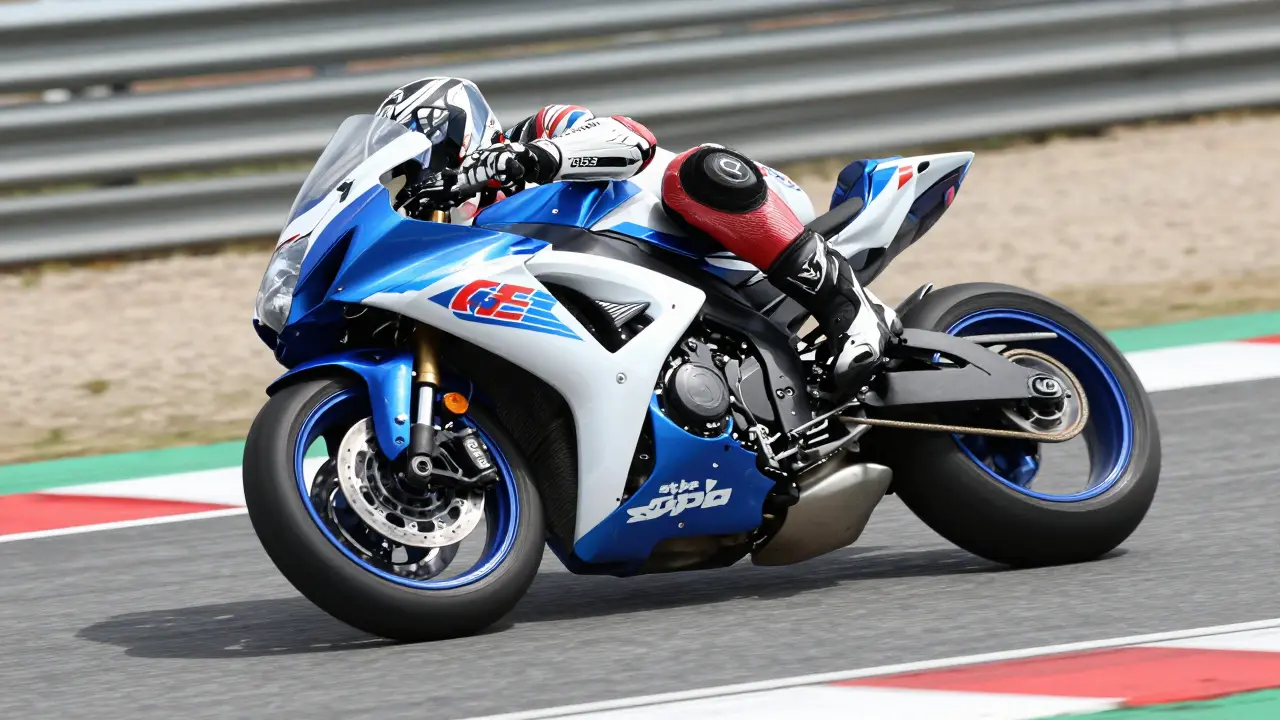
The GSX-R Legacy: Precision on the Track
When people talk about a "Gixxer," they're talking about the GSX-R, a series that basically wrote the playbook for the modern supersport. These bikes aren't meant for cruising to a coffee shop; they're built to shave tenths of a second off a lap time. The magic lies in the chassis-a twin-spar aluminum frame that stays rigid when you're leaning deep into a corner at 60 mph.
Take the GSX-R1000, for example. It uses a liquid-cooled, inline-four engine that screams up to high RPMs. But power is nothing without control. That's why Suzuki integrates Brembo braking systems in many of their high-end performance trims, giving you the stopping power needed to dive into a tight hairpin without losing your nerve. If you've ever felt a bike "wash out" on a turn, the GSX-R is designed specifically to avoid that, keeping the tires glued to the tarmac.
The Hayabusa: A Legend of Speed
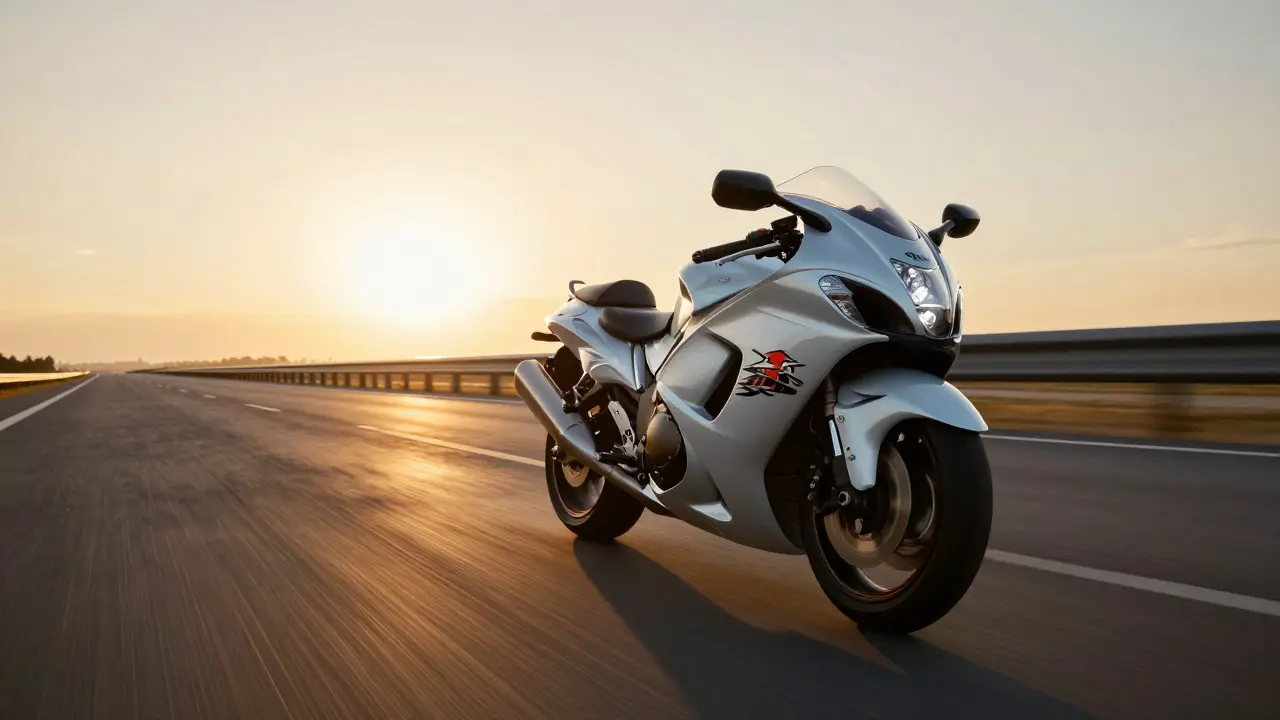
If the GSX-R is a scalpel, the Suzuki Hayabusa is a sledgehammer wrapped in silk. Launched in 1999 to dominate the world's speed records, the "Busa" changed how we think about Aerodynamics. Its bulbous, futuristic shape isn't just for looks; it slices through the air to minimize drag, allowing it to reach speeds that would make most cars tremble.
The current generation focuses less on just hitting a top speed and more on the experience of getting there. The 1,340cc engine provides a mountain of torque, meaning you don't have to shift gears constantly to feel the push. It's the ultimate choice for the rider who wants a "hyperbike"-something that can cross a continent in a weekend but still embarrass almost anything at a stoplight. The stability at 150 mph is eerie; it feels like you're on rails rather than two wheels.
| Attribute | GSX-R Series | Hayabusa |
|---|---|---|
| Primary Use | Track/Canyon Carving | Hyper-touring/Speed |
| Ergonomics | Aggressive, Forward Lean | More Upright, Comfortable |
| Weight | Lightweight/Nimble | Heavier/Stable |
| Engine Focus | High RPM Screamer | Massive Low-End Torque |
Understanding Suzuki's Performance Engineering
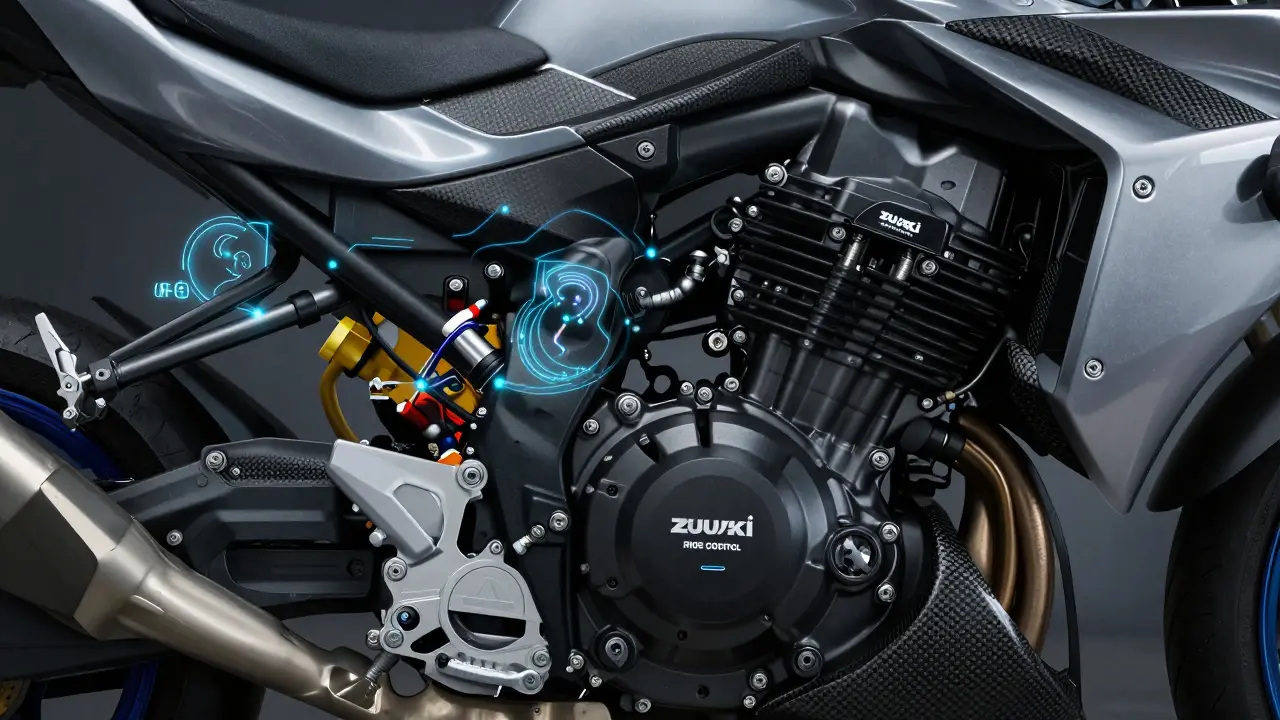
What actually makes these bikes fast? It starts with Electronic Fuel Injection (EFI), which ensures the engine gets the perfect mix of air and fuel regardless of altitude or temperature. But the real secret sauce is the Suzuki Ride Control system. This isn't just a fancy name; it's a network of sensors that monitor throttle position, lean angle, and wheel speed.
If you accidentally whack the throttle open while leaning into a turn, the electronics step in to prevent the rear tire from spinning out. It's like having an invisible hand guiding the bike. This allows riders to push the limits of grip without the constant fear of a low-side crash. When you pair this with a high-performance Slipper Clutch-which prevents the rear wheel from locking up during aggressive downshifts-you get a machine that is surprisingly forgiving for the amount of power it puts down.
Choosing Your Model: Which One Fits Your Style?
Picking between these models usually comes down to where you spend your time. Do you spend your Saturdays at a local track day, or are you more likely to spend them exploring the coast? If the former is true, a GSX-R750 is a fantastic middle ground. It's lighter than the 1000 but has more punch than the 600, making it a favorite for those who want versatility without sacrificing speed.
On the flip side, if you find the aggressive tuck of a sportbike too taxing on your wrists, the Hayabusa's ergonomics are a godsend. You're still riding a beast, but you can actually breathe and see the road ahead without feeling like you're doing a push-up. It's about the trade-off between precision and presence. One disappears into the corners; the other commands the highway.

Common Pitfalls and Maintenance Realities
Owning a high-performance Suzuki isn't all sunshine and speed. These engines run hot. If you're idling in heavy city traffic, you'll feel the heat radiating off the fairings onto your legs. More importantly, the tires on these bikes are designed for grip, not longevity. A set of high-performance rubber can wear down in just a few thousand miles if you're riding them hard. Don't be surprised when your maintenance costs are higher than those of a standard commuter bike.
Another thing to watch out for is the "cold start." These high-compression engines need to reach operating temperature before you start pinning the throttle. Forcing a cold engine to high RPMs is a great way to shorten the life of your internals. Give it five minutes to warm up, let the oil circulate, and then let it rip.
Is the Suzuki Hayabusa actually faster than the GSX-R1000?
In a straight line, yes. The Hayabusa is designed for top-end speed and has a larger engine with more displacement. However, in a tight circuit with many corners, the GSX-R1000 will almost always win because it's lighter and can change direction much faster.
Are GSX models suitable for beginners?
Generally, no. These bikes have a very aggressive power delivery that can be dangerous for someone without a lot of experience. If you're just starting, look at a lower-displacement naked bike before jumping into the GSX series, as the power-to-weight ratio can easily overwhelm a novice rider.
What is the typical service interval for these performance bikes?
While it varies by model, you should generally expect oil changes every 3,000 to 5,000 miles. Because these engines operate at high temperatures and stress, using high-quality synthetic oil is non-negotiable for maintaining engine health.
How does the Suzuki Ride Control system actually work?
It uses a combination of an Inertial Measurement Unit (IMU) and wheel speed sensors to calculate the bike's lean angle and slip. If the system detects the rear wheel spinning faster than the front (wheel spin), it automatically reduces engine torque to regain traction.
Which GSX-R is the best all-rounder?
The GSX-R750 is widely considered the sweet spot. It offers a balance of agility and power that makes it comfortable for street riding while remaining competitive on a track, avoiding the excessive weight of the 1000 and the slight lack of punch in the 600.
Next Steps for Your Performance Journey
If you're ready to move into the world of high-performance riding, start by auditing your gear. A GSX-R is only as safe as the leather you're wearing. Invest in a full-face helmet with an ECE 22.06 rating and a reinforced jacket. If you've already got the bike, the next logical step is a track day. Learning how to lean and brake in a controlled environment will make you a significantly safer and faster rider on the open road.
For those looking to customize, start with the exhaust. Replacing the stock muffler with a performance system not only drops a few pounds of weight but lets that inline-four engine breathe, giving you a bit more top-end power and a much more aggressive sound. Just remember to keep your tire pressures dialed in; on these bikes, a few PSI can be the difference between a perfect corner and a scary slide.
Comments
ANAND BHUSHAN
Busa is just a beast on the highway.
April 24, 2026 at 06:54
Tarun nahata
Absolute thunderbolt of a guide! This gets the heart racing just reading it. The sheer adrenaline of a Gixxer is unmatched in the sportbike world. Pure, unadulterated mechanical poetry on two wheels!
April 24, 2026 at 12:28
Rohit Sen
Actually, the 750 is overrated. Real purists go for the 600 if they want agility.
April 25, 2026 at 16:07
Sandeepan Gupta
Keep in mind that synthetic oil is not just a suggestion for these high-performance engines. The heat cycles in a liquid-cooled inline-four are brutal. Using a lower grade oil can lead to premature wear of the cylinder walls and valve seats. I always suggest checking the oil level every few hundred miles during the break-in period. Also, don't ignore the chain tension. A loose chain on a bike with this much torque can slap the swingarm and cause serious damage. Make sure to clean and lube your chain every 500 miles if you're pushing the bike hard. If you're new to track days, focus on your braking markers before trying to hit top speeds. Proper body positioning is the only way to maximize that twin-spar frame's potential. Don't forget to check your tire pressures before every single ride. A drop of 2 PSI can completely change how the bike tips into a corner. Wear the best gear you can afford because these bikes don't give second chances. Invest in a quality back protector too. The physics of a high-speed slide are unforgiving. Keep your head on a swivel and stay safe out there.
April 27, 2026 at 01:55
Aryan Jain
Sure, it's a great bike, but have you noticed how the manufacturers keep adding "electronic aids" to take away our control? It's all about the chips. They want to track where we go and how we ride. First it's a ride control system, then it's a remote kill switch for the government. Wake up people!
April 28, 2026 at 12:05
Agni Saucedo Medel
The Hayabusa design is just so iconic! 🏍️✨ Totally agree about the stability at high speeds. It feels like a dream! 😍
April 30, 2026 at 08:28
Nalini Venugopal
I love how this explains the difference between the two! It's so clear and helpful for anyone trying to choose between a track toy and a hyper-tourer!
April 30, 2026 at 09:47
Pramod Usdadiya
Very good infomation. I think the Gixxer is very populr in my city too, though traffic makes it hard to enjoy the speed. Just be careful on the road!
May 1, 2026 at 19:51
Vimal Kumar
I'm with you on the 750 being a sweet spot. It's definitely the most flexible option for those of us who do a bit of everything. Anyone else feel the same?
May 2, 2026 at 07:40
Aditya Singh Bisht
Let's get out there and ride! Life is too short to ride boring bikes. Grab a GSX and feel the wind! Go for it!
May 4, 2026 at 01:24
Indi s
I can totally understand why beginners would be scared of these. The power is just a lot to handle if you aren't ready.
May 4, 2026 at 11:45