
When you buy a car, you’re not just buying a machine—you’re buying into a brand ownership, the control a company has over design, parts, service, and resale value of a vehicle. Also known as automotive brand control, it determines everything from how much you pay for a brake job to whether your car holds its value after five years. This isn’t just corporate jargon. It’s the hidden force behind why some cars cost less to fix, why others vanish from dealer lots, and why your neighbor’s 2018 Honda still runs like new while their Toyota neighbor’s same-year model needs a new transmission.
Take Toyota, a global leader in vehicle sales, reliability, and service affordability. They own their supply chain, design their engines, and control their dealership network. That’s why their service costs are among the lowest in the UK—parts are mass-produced, mechanics are trained in-house, and repair guides are widely available. Compare that to Volkswagen, a European giant with complex electronics and tightly controlled parts distribution. Their cars often cost more to fix because they rely on proprietary systems, fewer independent shops can work on them, and replacement parts are pricier. The difference isn’t magic—it’s brand ownership in action.
Brand ownership also affects what happens when you need a part. If your 2018 Ford has a broken sensor, Ford owns the design, the software, and the diagnostic tools. Independent shops might struggle to get the right code or part. But if you own a 2018 Hyundai, parts are often shared across multiple models, and third-party suppliers can make them cheaper. That’s why brand ownership directly impacts your wallet every time you need a repair. It’s why some cars become classics you can fix yourself, and others turn into expensive museum pieces.
And it’s not just about repairs. Brand ownership shapes resale value. Cars from brands that control their reputation—like Toyota and Honda—keep their value because buyers trust them. They know the parts will be available, the mechanics will know how to fix them, and the warranty won’t disappear if the company changes hands. Meanwhile, brands that get bought, sold, or merged often leave owners in the dark. Parts become scarce. Software updates stop. Service networks shrink. That’s not speculation—it’s what happened with brands like Saab, Pontiac, and even some EV startups.
What you’ll find below are real stories from drivers who’ve lived through these shifts. From brake upgrades on vintage cars to how edge computing in modern vehicles ties back to who controls the software, every post here connects to one truth: your car’s brand isn’t just a logo. It’s a contract. And understanding who owns it—and what that means for you—is the first step to saving money, avoiding headaches, and making smarter choices whether you’re buying, fixing, or keeping your 2018 car on the road.
Posted by
Liana Harrow
11 Comments
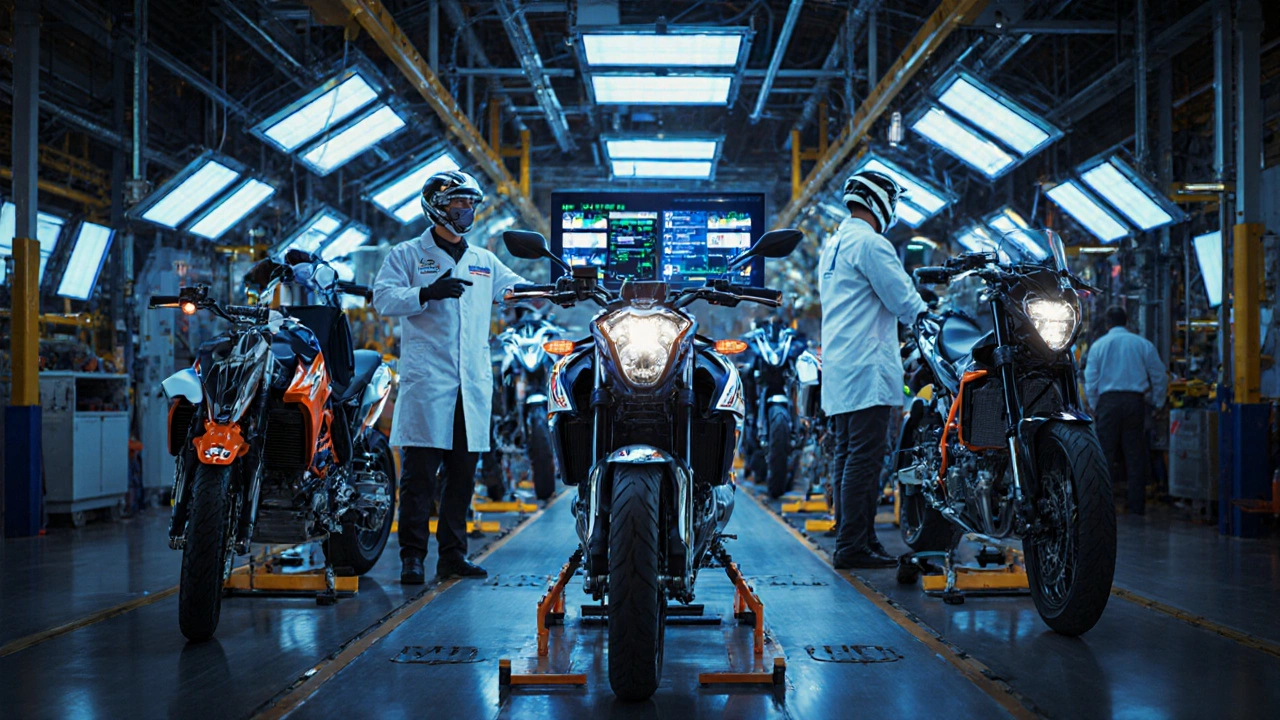
Motorcycle manufacturers are being bought and sold at an increasing rate, with big corporations consolidating brands like Ducati, Indian, and Husqvarna. Learn how mergers are changing bike design, parts availability, and rider choices in 2025.
read more