
When you bought your 2018 car, you didn’t just buy an engine and wheels—you bought compliance with EURO standards, a set of European regulations that limit how much pollution a vehicle can emit. Also known as Euro emissions norms, these rules determine what fuel your car can use, how often it needs checks, and even whether it’s allowed in city centers today. If your car was made in 2018, it likely meets EURO 6, the strictest version before electric vehicles took over. That means tighter controls on nitrogen oxides, particulates, and carbon monoxide. But here’s the catch: meeting those standards isn’t just about the factory. It’s about what you do after you drive it off the lot.
These standards directly connect to things like diesel particulate filters, devices installed in diesel cars to trap soot before it leaves the tailpipe. If your car has one—and most 2018 diesels do—it needs regular highway drives to burn off the buildup. Stop-and-go traffic? That clogs the filter. And if it fails, repair costs can hit £1,500. Then there’s AdBlue, a urea-based fluid used in diesel engines to turn NOx into harmless nitrogen and water. Run out of it? Your car won’t start. It’s not a luxury—it’s a legal requirement tied to EURO 6.
EURO standards also shape what repairs are legal. Aftermarket tuning that boosts power often increases emissions, making your car non-compliant. Even a simple air filter swap can break compliance if it’s not certified. And if you live in a city like London, Paris, or Berlin, your car’s EURO rating decides whether you pay a daily charge to drive. EURO 6 diesel and petrol cars usually get a pass. Older ones? You’re paying extra—or not driving at all.
What you’ll find below isn’t just theory. These posts show real cases: how to spot a failing emissions system, why your 2018 car’s service bill is higher than your neighbor’s, and how to avoid fines without buying a new car. Some explain how to check your car’s EURO rating from the VIN. Others reveal why some mechanics refuse to work on certain diesel models after 2018. You’ll see what’s fixable, what’s not, and what you can do yourself before the next MOT.
Posted by
Liana Harrow
9 Comments
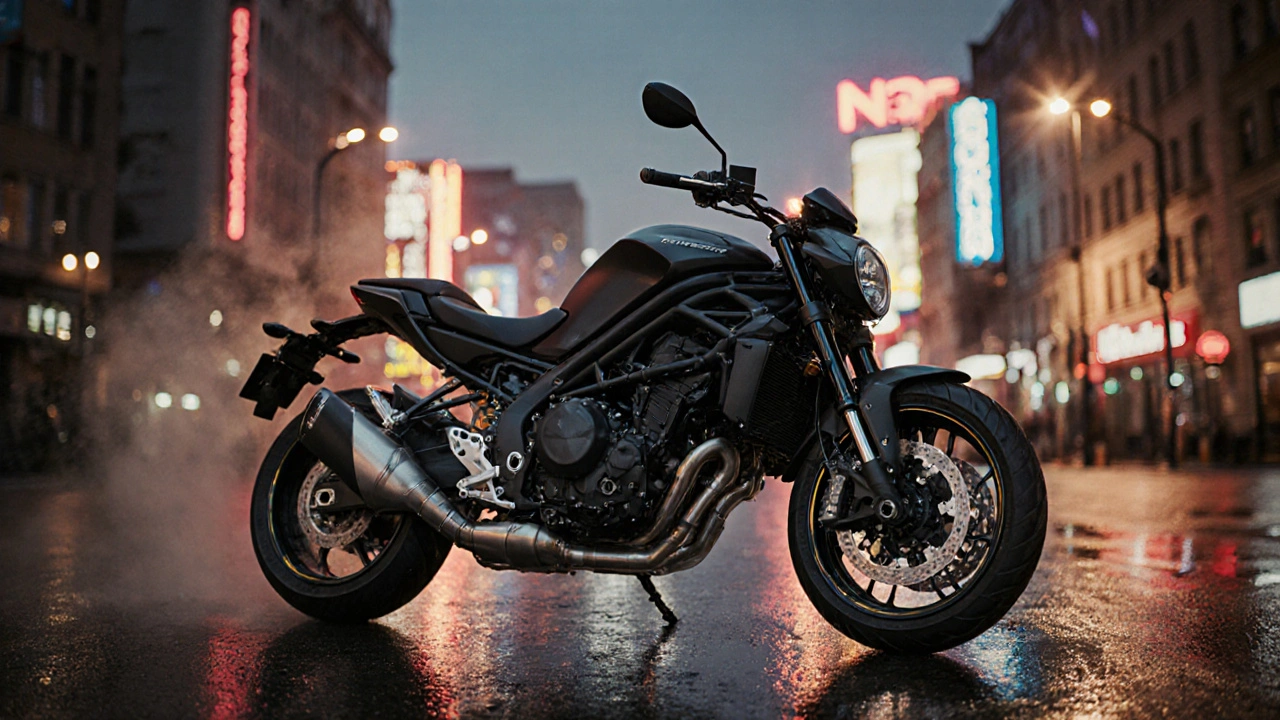
EURO and EPA motorcycle emissions standards are aligning for the first time, forcing global manufacturers to build cleaner bikes. Here's how it affects riders, prices, and the environment in 2025.
read more