
When you hear the word mergers, the joining of two companies into one legal entity, often to increase market power or cut costs. Also known as corporate consolidations, it's not just Wall Street jargon—it's what decides whether your next car comes from a brand you recognize, or one that barely exists anymore. Big auto mergers don’t happen in boardrooms far away. They happen in your driveway. When Toyota and Volkswagen compete head-on, it’s not just about who sells more—it’s about who controls the parts, the software, the service networks, and even the prices you pay for repairs. These aren’t just business moves. They’re life-changing for drivers.
Take automotive mergers, strategic combinations between vehicle manufacturers to expand product lines, reduce redundancy, and dominate global markets. They’re behind why you see the same engine in a Ford and a Volvo, or why a Hyundai model shares its platform with a Kia. These aren’t coincidences—they’re planned outcomes. When companies merge, they stop duplicating work. One team designs the brake system. One factory makes the transmissions. That cuts costs, but it also means fewer unique models on the lot. You might think you’re choosing between ten different cars, but behind the scenes, there are maybe three shared platforms doing all the heavy lifting.
And then there’s car company acquisitions, when one automaker buys another outright, often to gain access to technology, talent, or market share. This is how Tesla got its battery expertise, how BMW absorbed Rolls-Royce, and why you can’t buy a standalone Saab anymore. Acquisitions don’t always mean the brand disappears—sometimes it just means the parts bin gets smaller. The same shock absorber that goes in your 2018 Honda might now also be used in a 2025 Acura because the companies merged under one parent. That’s good for repair shops—it means fewer SKUs to stock. But it’s bad if you love a brand’s unique identity. That personality? It gets smoothed out.
These trends aren’t slowing down. In 2025, the pressure to build electric vehicles, cut emissions, and compete with tech giants is forcing even the biggest names to team up. You can see it in the headlines: Ford and Volkswagen partnering on EV platforms, Stellantis merging Fiat, Chrysler, Jeep, and Peugeot under one roof. The result? Fewer independent brands. More shared parts. Lower repair costs for common fixes—like replacing a headlight or fixing a steering vibration—but less choice overall. The mergers happening today are shaping the cars you’ll own for the next decade.
What you’ll find in this collection isn’t just news about deals. It’s the real-world ripple effect: how a merger between two giants affects your brake controller options, your warranty coverage, your service bills, and even your ability to convert a gas car to electric. You’ll see how these corporate moves connect to things like parts inventory management, vehicle window stickers, and why some brands now offer cheaper maintenance than others. This isn’t about finance reports. It’s about what’s under your hood—and who’s really in charge of it now.
Posted by
Liana Harrow
11 Comments
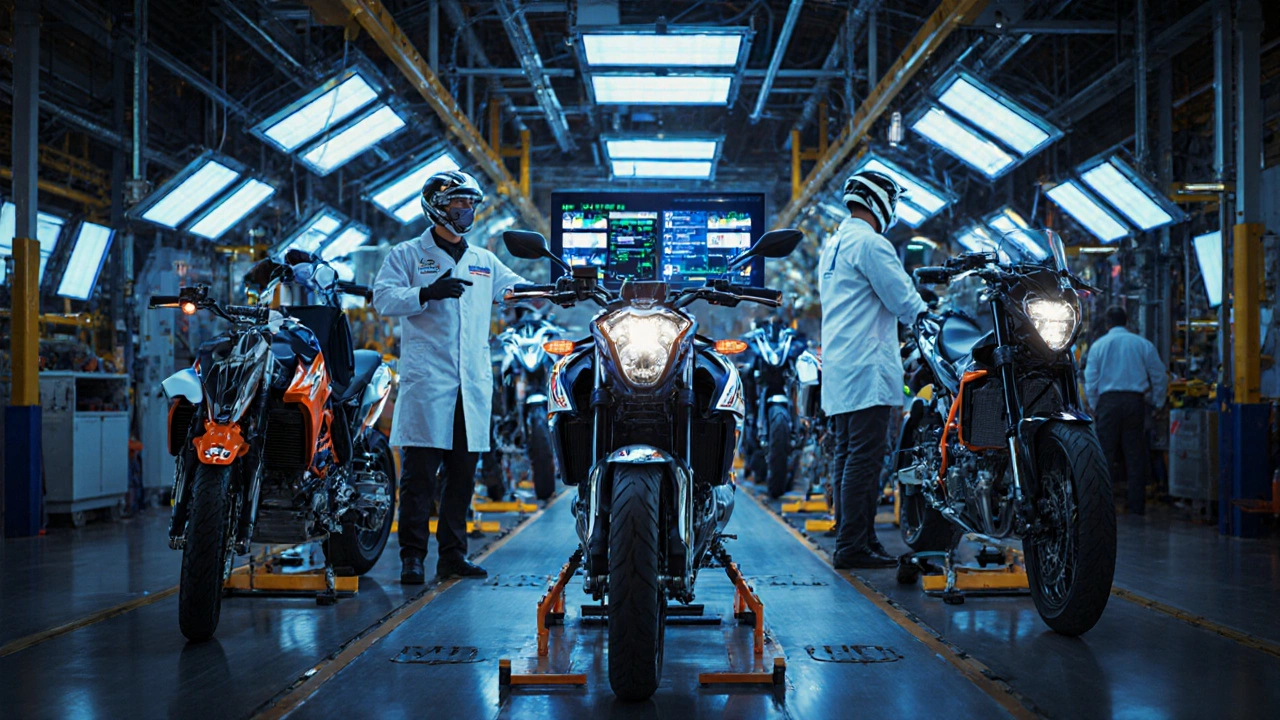
Motorcycle manufacturers are being bought and sold at an increasing rate, with big corporations consolidating brands like Ducati, Indian, and Husqvarna. Learn how mergers are changing bike design, parts availability, and rider choices in 2025.
read more