
When you think of the motorcycle industry, the global network of manufacturers, regulators, riders, and repair shops that design, sell, and maintain motorcycles. Also known as motorcycle manufacturing sector, it’s no longer just about speed and style—it’s about clean tech, safety, and survival in a world pushing for electric and regulated transport. Over the last decade, the industry has shifted from pure performance to compliance. Governments in Europe and the U.S. are forcing manufacturers to meet tighter emissions standards, and what used to be a niche market for rebels is now a battleground for engineers trying to make bikes cleaner without killing the soul of riding.
The motorcycle emissions, the pollutants released by motorcycle engines regulated by agencies like the EPA and EURO. Also known as bike pollution standards, it is now a core design factor. You can’t buy a new bike today without it meeting the latest EURO 5 or EPA Phase 3 rules. That’s why you’re seeing smaller engines, fuel injection upgrades, and even electric conversions popping up. Riders who love the sound of a V-twin might hate it, but the truth is—these rules are here to stay, and they’re pushing innovation. Meanwhile, custom builders are adapting too. The café racer, a minimalist, performance-oriented motorcycle style born in 1960s Britain, now often features modern fuel systems and emissions-compliant engines. Also known as modern café bike, it isn’t just about looks anymore. It’s about making a retro-styled bike that can legally ride on today’s roads.
And it’s not just pollution. The motorcycle racing, competitive motorsport involving motorcycles, from MotoGP to local track days. Also known as motorcycle competition, it is driving tech down to the street. What’s proven on the track—like advanced ABS, traction control, and ride-by-wire throttles—is now standard on mid-range bikes. That’s why today’s rider gets more safety tech than a 2010 sports car. But with all this tech, the human element still matters. Target fixation, poor braking technique, and lack of scanning are still the top causes of crashes. That’s why guides on motorcycle safety—like how to avoid looking at obstacles or how to brake properly under pressure—are more relevant than ever.
Behind the scenes, the industry is also dealing with supply chains, labor shortages, and the rise of mobile service units that fix bikes on the road instead of in garages. Even the way we buy and maintain bikes is changing. You don’t need to go to a dealership anymore to get your bike tuned—mobile technicians can handle everything from emissions checks to café racer custom builds. And if you’re thinking about converting your gas bike to electric, the tools and kits are finally affordable enough for DIYers.
What you’ll find below isn’t just a list of articles—it’s a snapshot of the motorcycle industry right now. From how emissions rules are forcing manufacturers to rethink engines, to why café racers are getting smarter, to how racers’ tech is saving lives on regular roads. Whether you ride for fun, commute daily, or build bikes in your garage, these posts give you the real info you need—not the marketing fluff.
Posted by
Liana Harrow
11 Comments
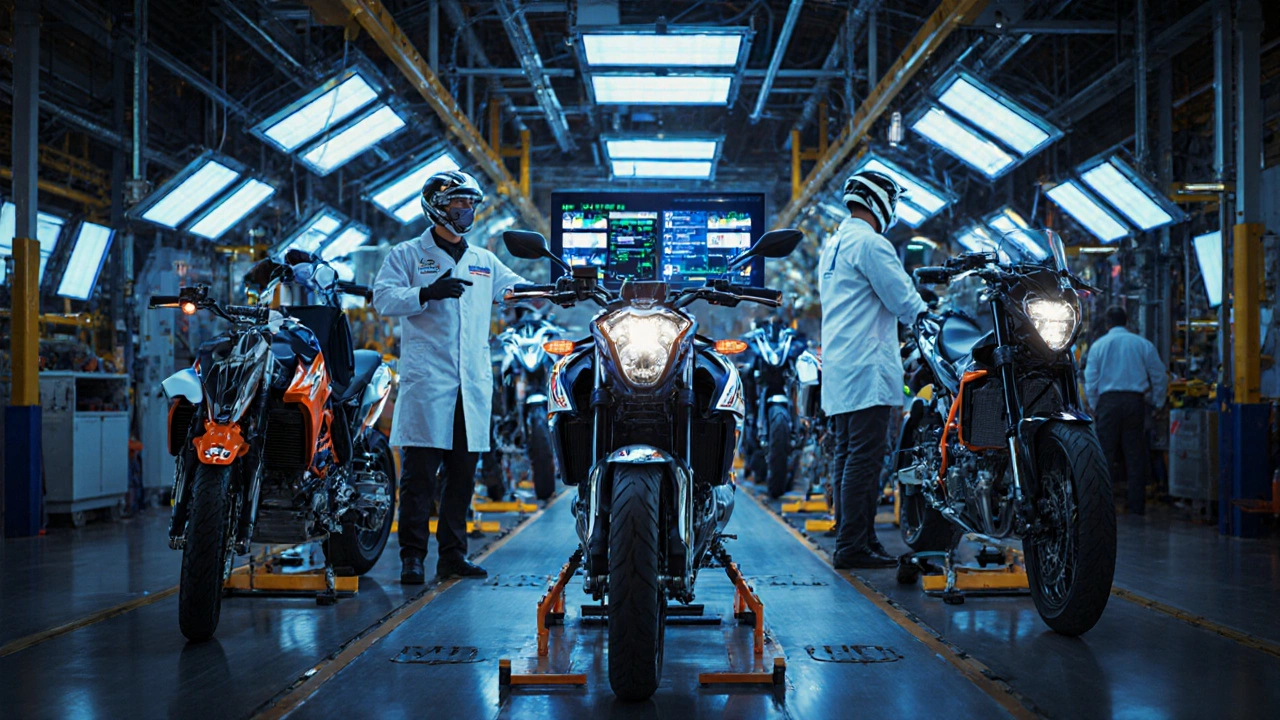
Motorcycle manufacturers are being bought and sold at an increasing rate, with big corporations consolidating brands like Ducati, Indian, and Husqvarna. Learn how mergers are changing bike design, parts availability, and rider choices in 2025.
read more