
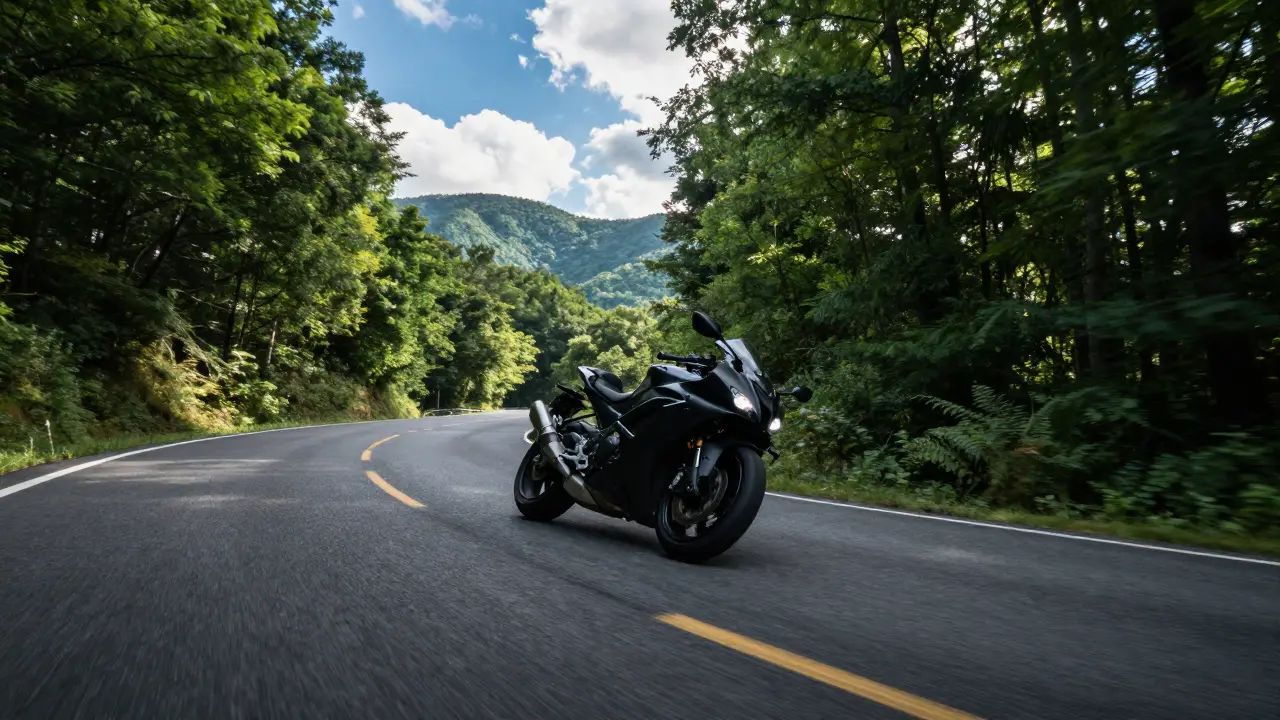
Imagine a stretch of asphalt that doesn't just go from point A to point B but twists, turns, and dances through the mountains for eleven miles. That is Tail of the Dragon, also known as US-129. It is a famous 11-mile section of highway between Tellico Plains, Tennessee, and Douglas Gap, North Carolina, featuring 318 curves in less than 11 miles. For motorcyclists, this isn't just a drive; it’s a pilgrimage. But here is the thing most travel blogs won’t tell you: doing it wrong can get you killed or towed. Doing it right makes it the ride of a lifetime.
Why This Ride Is Different From Any Other
You might think any winding mountain road is fun. You’d be wrong. Most twisty roads have long straights to let you breathe, reset your position, and check your mirrors. Tail of the Dragon has almost none. The density of the turns means you are constantly inputting steering commands, managing lean angles, and modulating throttle. It tests your bike handling more than your engine power.
The reputation of this road grew because it forces you to focus. There are no billboards, no cell service in many spots, and no distractions. Just you, your machine, and the blacktop. Riders often describe a state of flow here-a mental zone where time seems to slow down because your brain is processing visual data faster than usual. If you’ve never experienced that level of engagement on two wheels, this is where you find it.
Planning Your Route: Start Points and Logistics
Before you twist the key, you need to know how to get there. Most riders start in Tellico Plains, Tennessee. It’s the traditional southern entry point. Alternatively, you can approach from Douglas Gap, North Carolina. Both towns offer parking, gas stations, and small shops catering to bikers.
- From Tellico Plains: Head north on US-129. You’ll hit the first major curve cluster quickly. This direction feels slightly more gradual at the very start before ramping up in intensity.
- From Douglas Gap: Head south on US-129. This side starts with some steep elevation changes. Some riders prefer this because it builds momentum early.
Don’t try to do this ride late at night. Visibility drops sharply when the sun goes behind the ridges. Also, avoid weekends if possible. The "Dragon" gets crowded. Seeing other motorcycles ahead of you changes the dynamic entirely-you’re no longer just riding the road; you’re navigating traffic in a high-speed environment. Tuesday through Thursday mornings are ideal.
Gear Up: Safety Isn’t Optional Here
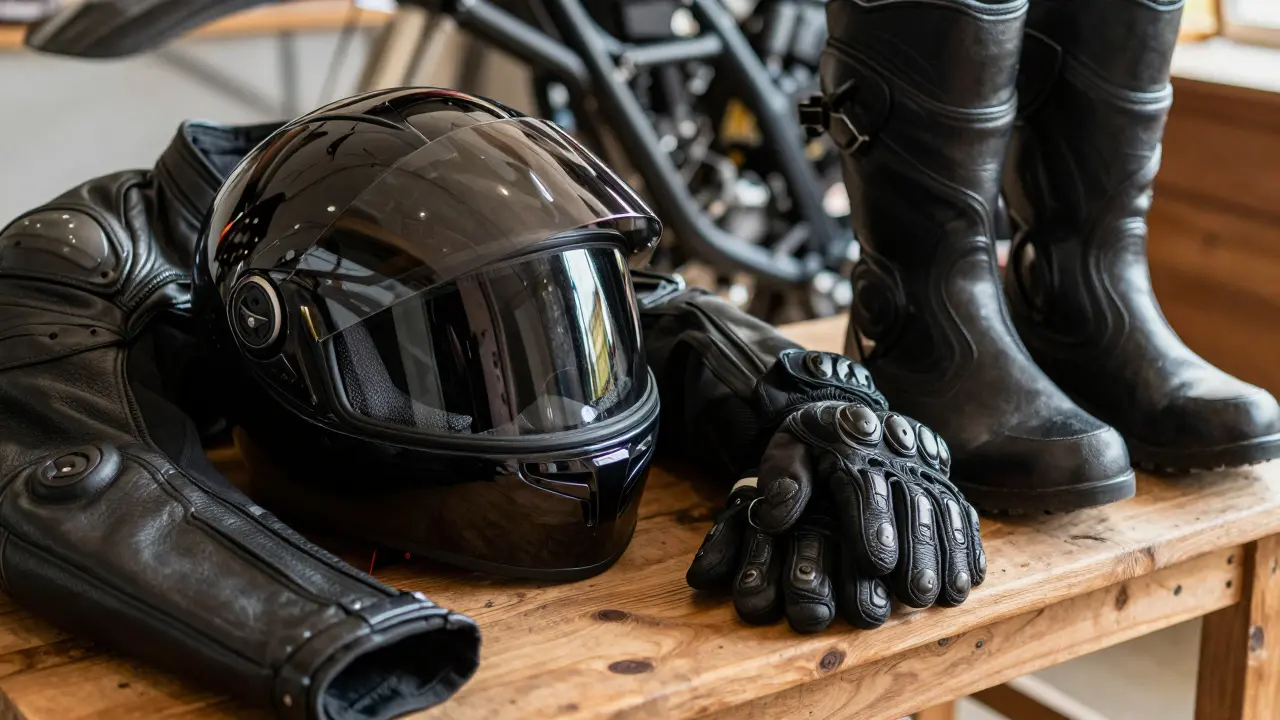
This is not a cruise on a flat desert highway. The risks involve high-speed cornering, gravel patches, and sudden appearances of wildlife or slower vehicles. Your gear needs to reflect that reality.
| Gear Item | Why It Matters | Recommendation |
|---|---|---|
| Helmet | Head protection is critical in slide-outs. | Full-face helmet with DOT/ECE certification. Consider a visor that resists fogging. |
| Jacket | Abrasion resistance against asphalt. | Leather or heavy textile with armor at shoulders, elbows, and back. |
| Gloves | Hand protection and grip control. | Full-finger gloves with knuckle protection. Gauntlet style keeps debris out. |
| Boots | Ankle support and foot stability. | Riding boots that cover the ankle. Sneakers will fail you in a fall. |
| Pants | Leg protection during slides. | Leather chaps over jeans or dedicated riding pants with knee armor. |
Check your tires before you leave home. Bald tires on wet leaves or oil slicks are a disaster waiting to happen. Ensure your brake pads have enough life left for repeated hard stops. This ride demands mechanical reliability.
Riding Techniques for the 318 Curves
How you ride matters more than what you ride. Even a beginner on a 300cc bike can enjoy this if they ride within their limits. Conversely, a pro on a superbike can crash if they push too hard. Here is how to handle the technical aspects.
- Look Through the Turn: Don’t stare at the apex. Look at the exit of the curve. Your bike goes where your eyes look. In tight sequences, scan far ahead to anticipate the next bend.
- Smooth Inputs: Jerky steering or braking unsettles the chassis. Apply brakes before entering the turn, then roll on the throttle smoothly as you exit. Sudden acceleration mid-corner can cause loss of traction.
- Body Positioning: Hang off slightly if you’re comfortable. Shifting your weight inside the turn allows the bike to stay more upright, increasing tire contact patch and confidence.
- Respect the Gravel: Construction work happens frequently. Small rocks appear in the corners. Avoid them by adjusting your line slightly outward if safe to do so.
If you feel yourself losing traction, ease off the throttle immediately. Do not panic brake. Let the bike stabilize. Remember, speed kills, but skill saves lives. Practice these techniques on local twisty roads before attempting the full Dragon run.
What to Expect Along the Way
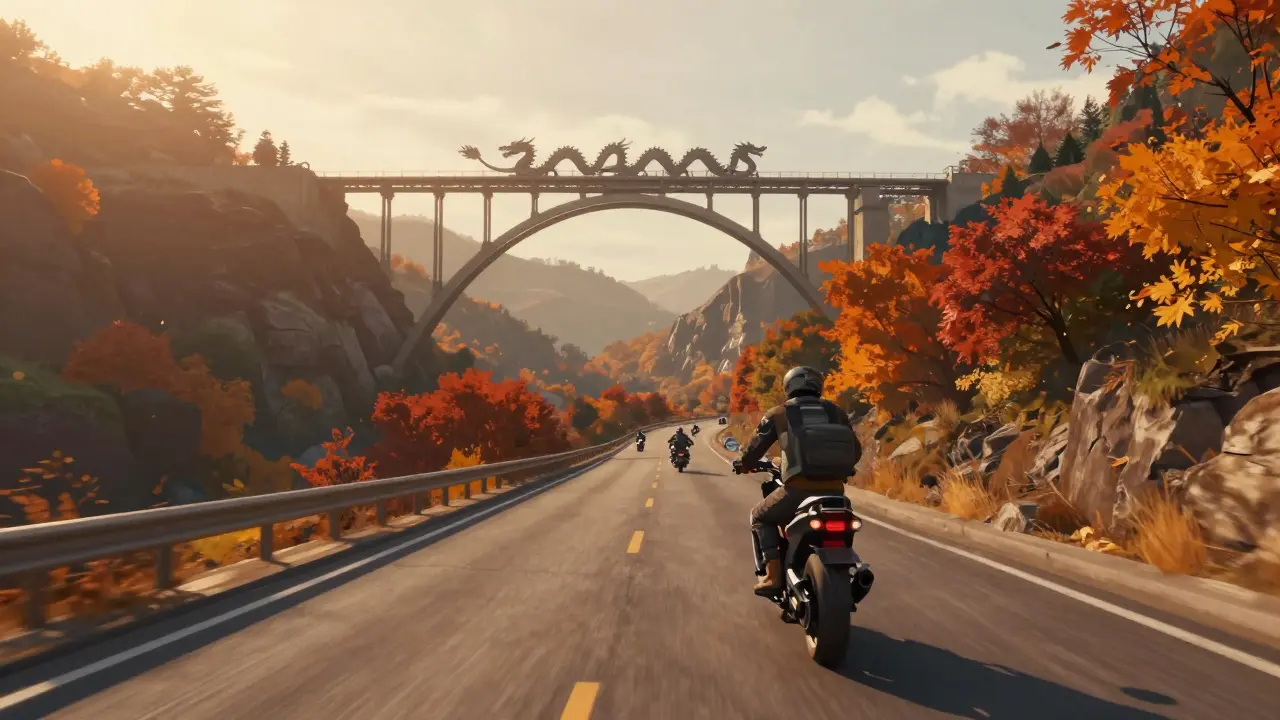
Beyond the curves, there are landmarks. The Dragon Bridge is a popular photo spot near the middle. Many riders stop here to take pictures, but be careful. Pull completely off the road into designated areas. Stopping in the lane blocks traffic and creates hazards for others.
Wildlife is common. Deer, squirrels, and even bears inhabit these woods. They often cross unexpectedly. Keep an eye on the tree lines, especially at dawn and dusk. A deer stepping out can change your trajectory instantly.
Weather plays a huge role. Rain turns these curves into ice skates. Fog reduces visibility to zero. Check forecasts before departing. If it rains, wait. It’s better to miss the ride than risk a slide. Temperature affects tire pressure too. Cold mornings mean lower pressure, which impacts handling. Adjust accordingly.
Common Mistakes to Avoid
Newcomers often make predictable errors. Learning from them helps you stay safe.
- Going Too Fast: The biggest mistake. Speed reduces reaction time. If you’re looking over your shoulder instead of ahead, you’re going too fast.
- Ignoring Traffic: Cars and trucks share this road. Some drivers don’t understand motorcycle dynamics. Give them space. Don’t tailgate.
- Skipping Maintenance: Loose bolts, worn chains, or low fluid levels can fail under stress. Inspect your bike thoroughly.
- Underestimating Fatigue: Riding intensely for 11 miles takes physical effort. Shoulders tighten, hands cramp. Take breaks if needed.
Also, don’t treat it like a race. This isn’t MotoGP. It’s a recreational challenge. Enjoy the scenery, appreciate the engineering of the road, and respect the natural surroundings. The goal is to arrive safely so you can do it again tomorrow.
After the Ride: Where to Go Next
Once you finish the 318 curves, you’ll likely want to celebrate or continue exploring. Tellico Plains has several bars and restaurants familiar with bikers. Local spots like the Dragonfly Restaurant serve hearty meals perfect after a day of riding.
If you have energy left, consider extending your trip. Nearby attractions include Chattanooga, Tennessee, about an hour away, offering rock climbing, museums, and river activities. Or head further north into the Smoky Mountains for scenic drives and hiking trails.
For those who want more curves, the Blue Ridge Parkway offers similar experiences with fewer crowds. It’s less intense but equally beautiful. Combine both for a weekend adventure.
Is Tail of the Dragon open year-round?
Yes, US-129 is open all year. However, winter conditions may bring snow and ice, making riding dangerous. Spring and fall offer the best weather and foliage. Summer brings heat and humidity, so plan rides for early morning.
Can beginners ride Tail of the Dragon?
Beginners should approach cautiously. While the road itself doesn’t require advanced skills, the density of curves demands focus. Start slow, practice smooth inputs, and consider taking a riding course first. Never exceed your comfort zone.
Are there restrooms along the route?
Restrooms are available in Tellico Plains and Douglas Gap. There are no facilities directly on the 11-mile stretch. Plan accordingly and use amenities before starting your ride.
What is the best time of day to ride?
Early morning (7-9 AM) offers cooler temperatures, lighter traffic, and better light for photography. Midday can be hot and crowded. Evening rides reduce visibility and increase fatigue risks.
Do I need special permits to ride?
No special permits are required. Standard driver’s license and vehicle registration suffice. Follow local traffic laws and wear appropriate safety gear.