

Adding a teenager to your auto insurance policy is often the most expensive bill you’ll pay for them. It costs more than college tuition in many cases, and it certainly costs more than their first car. But why does it cost so much? The short answer is risk. Insurance companies look at data, not feelings, and the data says young drivers crash more often.
In the UK, where you drive on the left and age requirements differ slightly from the US, the principles remain the same. A new driver lacks experience, and insurers price that lack of experience into every premium quote. However, you are not powerless. There are specific strategies, coverage tweaks, and habits that can lower those monthly payments without leaving your teen underinsured.
Why Teen Drivers Cost More
To understand how to lower the rate, you first need to understand what drives the price up. Insurers use an algorithm that weighs several factors. Age is the biggest one. Statistically, drivers aged 16 to 25 have the highest accident rates per mile driven. This isn't because they are reckless by nature; it's because they haven't developed the reflexes and hazard recognition skills that come with thousands of miles behind the wheel.
Risk Assessment is the process insurers use to calculate premiums based on historical data and personal factors. For teens, this assessment is harsh. A single at-fault accident can double or triple the premium for both the teen and the parents' existing vehicles. Insurers view a household with a new driver as a high-risk unit until proven otherwise.
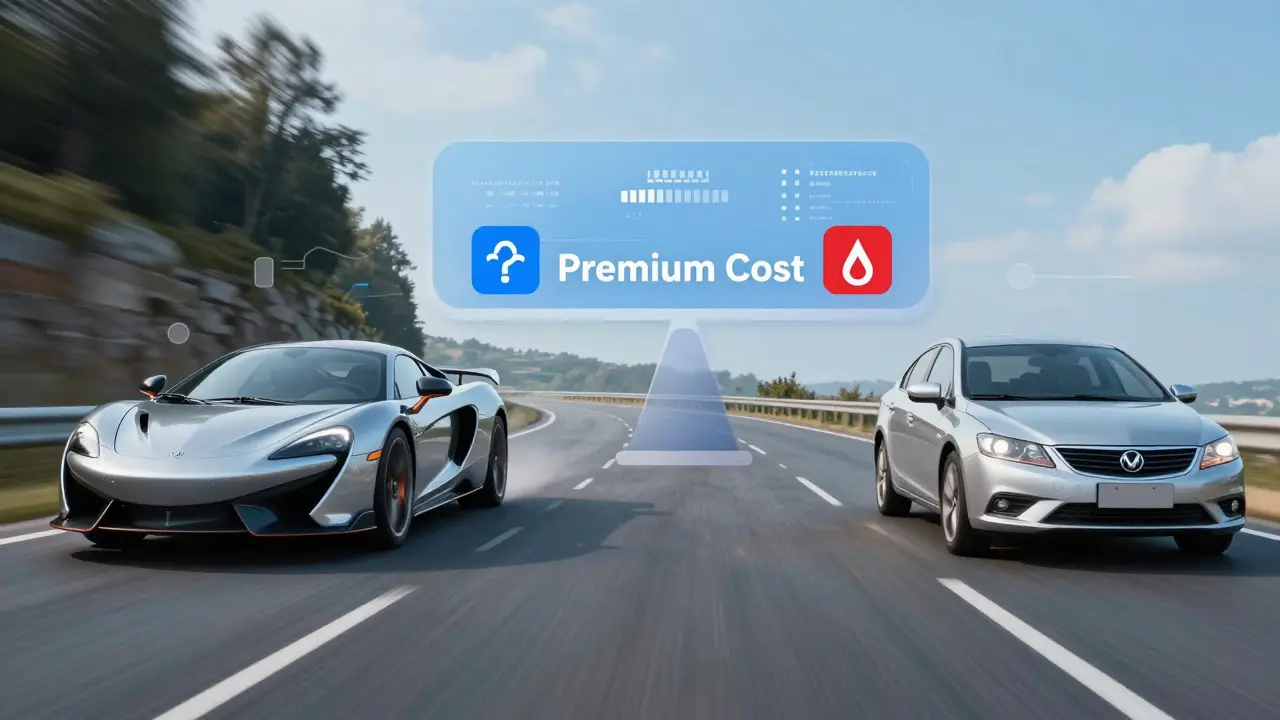
The type of car matters too. A sports car with high horsepower signals potential for speeding and harder-to-control crashes. Conversely, a small, safe sedan suggests caution. The location also plays a role. If your teen lives in a busy city like Bristol or London, the risk of fender benders and theft is higher than in a quiet rural village.
Understanding Coverage Options
Not all insurance policies are created equal. When adding a teen, you need to balance protection with affordability. Here is a breakdown of the main types of coverage you should consider.
- Liability Only: This covers damage your teen causes to others (their car, their injuries). It is the cheapest option but offers zero protection for your teen’s own vehicle. If they total their car, you pay out of pocket.
- Comprehensive and Collision: These cover damage to your teen’s car regardless of fault. Comprehensive handles non-collision events like theft, fire, or hail. Collision handles accidents. These are expensive but necessary if the car is financed or has significant value.
- Uninsured Motorist Coverage: In the UK, third-party liability is mandatory, but gaps exist. This protects you if another driver hits your teen and lacks sufficient insurance. Given the rise of uninsured drivers, this is a smart safety net.
- Medical Payments (MedPay) or PIP: Covers medical bills for your teen and passengers, regardless of who caused the accident. This can help avoid draining your health savings or dealing with complex health insurance claims.
A common mistake is dropping comprehensive coverage on an older car to save money. While the monthly saving might be £20-£30, one rock hitting the windshield or a minor collision could cost hundreds. Do the math before cutting corners.
How to Lower Premiums
You can’t change your teen’s age, but you can influence other variables in the insurer’s formula. Here are actionable steps to reduce costs.
- Add Them to Your Policy: Never let a teen get their own separate policy. Adding them to your existing family plan is almost always cheaper due to multi-car discounts and shared no-claims bonuses.
- Choose the Right Car: Avoid high-performance vehicles. Look for cars with high safety ratings from organizations like Euro NCAP. Safer cars often qualify for lower premiums.
- Good Grades Discount: Many insurers offer a "good student" discount. If your teen maintains a B average or higher, they may save 5-15%. Insurers correlate academic responsibility with responsible driving.
- Driver Training Courses: Completing an accredited defensive driving course can lead to immediate discounts. In the UK, programs like Pass Plus can demonstrate additional competence and sometimes reduce premiums.
- Increase Deductibles: Raising your deductible (the amount you pay before insurance kicks in) lowers your monthly premium. If you have an emergency fund, this is a safe way to save cash flow.
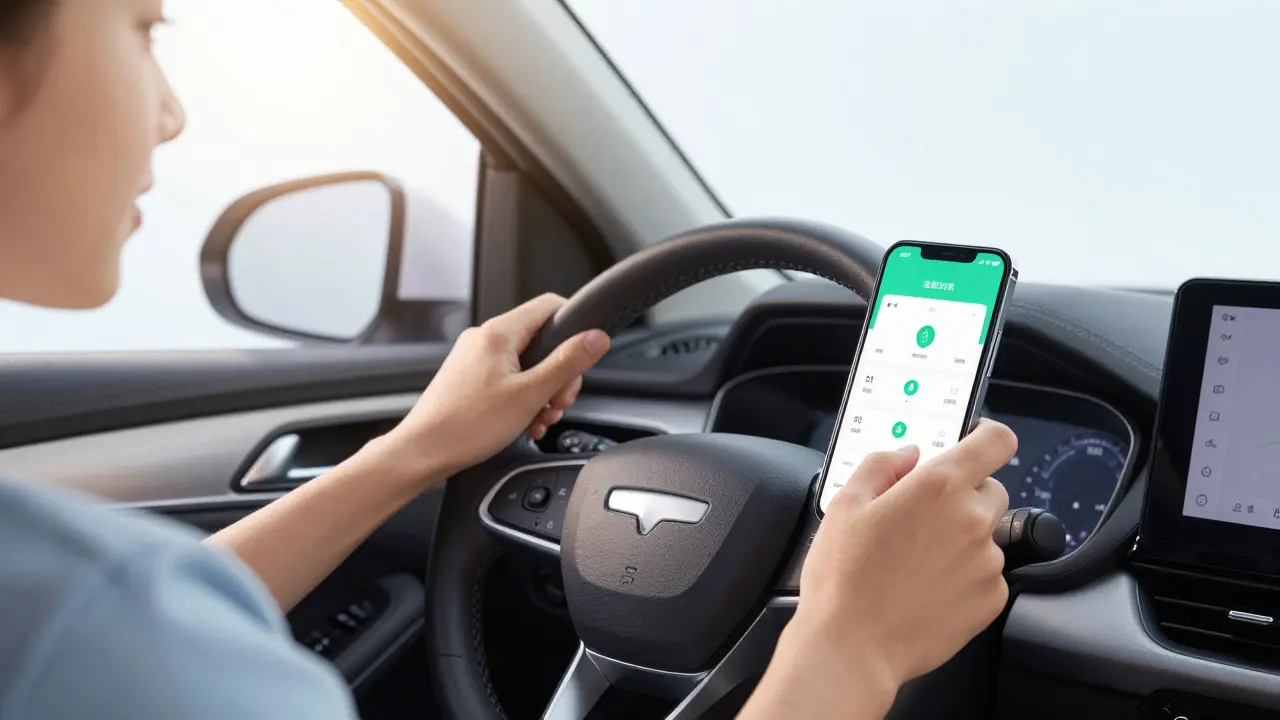
- Usage-Based Insurance (UBI): Telematics devices or apps track driving behavior. If your teen drives calmly, avoids hard braking, and doesn’t drive late at night, they can earn significant discounts. This rewards good behavior directly.
The Role of Technology and Telematics
Telematics Insurance is a pricing model based on actual driving data collected via smartphone apps or plug-in devices. This is a game-changer for young drivers. Traditional insurance penalizes youth across the board. Telematics allows individual performance to shine through.
How does it work? You install an app or a device in the car. It tracks speed, acceleration, braking, cornering, time of day, and mileage. At the end of the policy period, the insurer reviews the data. Safe drivers get rebates or lower renewal rates. Risky drivers see rates go up.
This creates a direct incentive for your teen to drive carefully. It turns insurance from a passive cost into an active coaching tool. Parents can also monitor driving habits in real-time, which adds a layer of peace of mind beyond just savings.
| Feature | Traditional Policy | Telematics Policy |
|---|---|---|
| Pricing Basis | Age, gender, location, car type | Actual driving behavior |
| Privacy Impact | Low | High (location/data tracking) |
| Savings Potential | Fixed discounts | Variable, up to 30%+ for safe drivers |
| Parental Control | None | Real-time monitoring available |
| Best For | Drivers who prefer privacy | Safe drivers wanting lower rates |
Navigating Claims and Accidents
If the worst happens and your teen gets into an accident, how you handle it affects future rates. First, stay calm and ensure everyone is safe. Exchange information with the other party. Take photos of the scene, damage, and license plates. File a police report if required by local laws.
When contacting your insurer, be factual. Do not admit fault immediately unless it is unequivocally clear. Let the adjusters determine liability. An at-fault accident will likely drop your no-claims bonus and increase premiums for three to five years. Some insurers offer "accident forgiveness" for first-time minor incidents, so check your policy details before buying.
If the claim is small, consider paying out of pocket. Filing a claim for a £500 repair might increase your premiums by £100 a year for several years, costing you more in the long run. Use this heuristic: if the repair cost is less than two years’ worth of expected premium increases, pay cash.
Long-Term Strategies for Savings
Insurance rates don’t drop overnight. They improve over time as your teen builds a clean driving record. Here is a roadmap for the next few years.
- Year 1-2: Focus on safety and telematics. Accept higher premiums as the cost of learning. Keep the car safe and simple.
- Year 3-4: Shop around. Loyalty doesn’t always pay. Compare quotes from different providers annually. Newer insurers often offer aggressive rates to attract young drivers.
- Year 5+: As your teen ages out of the "high-risk" category, rates will naturally decrease. Consider removing unnecessary add-ons if the car is older.
Also, consider the vehicle itself. Electric vehicles (EVs) are becoming popular among young drivers. While EVs can have higher repair costs due to specialized parts, some insurers offer green discounts. Check if your provider rewards eco-friendly choices.
Frequently Asked Questions
Does adding a teen driver affect my no-claims bonus?
In the UK, your no-claims bonus (NCB) is tied to you, the policyholder. Adding a named driver (your teen) does not reset your NCB. However, if your teen causes an at-fault accident, you will lose the years of NCB you have built up, which significantly increases future premiums.
Is it cheaper to buy a separate car for my teen?
Usually, no. Buying a separate car means a separate insurance policy, which eliminates multi-car discounts. It is almost always cheaper to add the teen to your existing policy and let them drive one of your current vehicles, provided the car is suitable and safe.
How do I choose the best car for my teen?
Look for a car with a high Euro NCAP safety rating, low engine power (under 120bhp), and low repair costs. Avoid sports cars, large SUVs (which are harder to park and control), and luxury brands (which have expensive parts). A reliable, mid-sized sedan or hatchback is ideal.
Can my teen get a discount for taking a driving course?
Yes. Many insurers offer discounts for completing advanced driving courses like Pass Plus in the UK. These courses demonstrate additional skill and confidence, reducing the perceived risk. Always ask your insurer for proof of discount eligibility before paying for the course.
What is the difference between comprehensive and third-party insurance?
Third-party insurance only covers damage you cause to other people and their property. It is the legal minimum in the UK. Comprehensive insurance covers third-party damage plus damage to your own car, theft, fire, and natural disasters. For a new driver, comprehensive is often surprisingly cheaper because insurers view it as lower risk for fraud and unreported accidents.
How long does an accident stay on my teen’s record?
In the UK, convictions and accidents must be declared for four years after the date of conviction. This affects insurance premiums during that period. After four years, it drops off, and rates should begin to normalize, assuming no further incidents.