

Imagine you are driving to work on a Tuesday morning. The traffic is light, the radio is playing your favorite song, and then-suddenly-the engine sounds wrong. It might be a loud rattle, a sudden loss of power, or just a strange hesitation when you press the gas pedal. You pull over, heart pounding, wondering if you have just ruined your engine. This scenario is the nightmare of every driver who owns a vehicle with an interference engine. The culprit? A slipped timing belt. While it might sound like a minor mechanical hiccup, this issue sits right on the edge between a simple repair and a catastrophic engine failure.
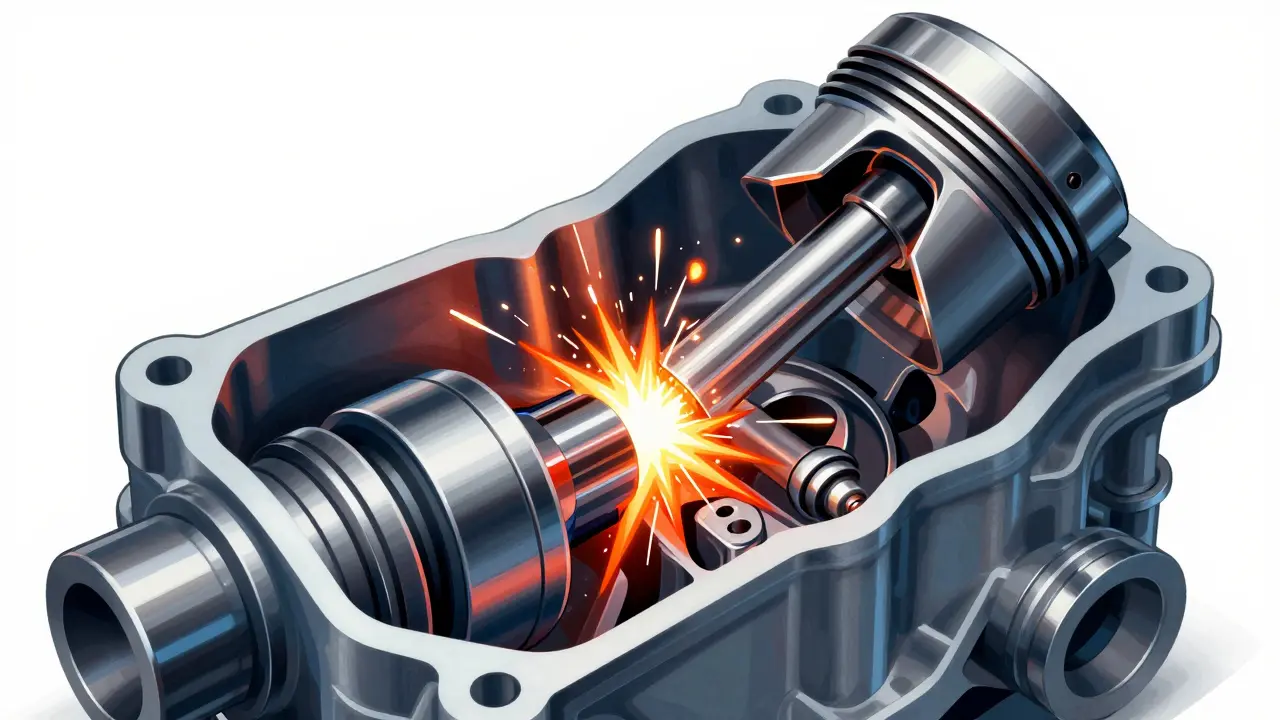
If your timing belt has slipped, even by one tooth, the synchronization between your crankshaft and camshaft is off. This means the valves open and close at the wrong times relative to the pistons moving up and down. In non-interference engines, this might just cause rough running. But in modern interference engines, which make up the vast majority of cars on the road today, this misalignment can lead to valves hitting pistons. That is metal-on-metal destruction in milliseconds. Understanding what happened, assessing the damage, and knowing exactly what to do next is critical to saving your wallet and your vehicle.
How to Spot a Slipped Timing Belt Before Total Failure
Most drivers do not hear their timing belt slip until it is too late. However, there are subtle warning signs that often precede a complete snap or significant jump. If you notice these symptoms, do not ignore them. They are your engine’s way of screaming for help.
- Rough Idling: Does your car shake or vibrate noticeably when stopped at a red light? If the engine feels like it is about to stall but keeps catching, the timing may be off. The fuel-air mixture isn’t igniting at the optimal moment, causing uneven combustion.
- Misfire Codes (P0300-P0304): Your Check Engine Light is your best friend here. If you scan your car and see random misfire codes, it could be spark plugs, coils, or injectors-but it could also be timing. If replacing ignition components doesn’t fix the code, check the timing.
- Loss of Power: You press the accelerator, but the car feels sluggish, like it’s wading through mud. This happens because the valves aren’t opening fully or at the right time to let air in and exhaust out efficiently.
- Loud Ticking or Rattling Noise: A healthy timing belt should be quiet. If you hear a rhythmic ticking coming from the front of the engine, the tensioner might be failing, allowing the belt to skip teeth. A loud rattling noise upon startup is a major red flag.
- Engine Won’t Start: If the belt slipped significantly or broke, the engine will turn over (crank) but won’t start. In severe cases, it won’t even crank because the internal components are jammed together.
One common misconception is that a slipping belt always makes noise. Sometimes, it slips silently due to a worn tensioner pulley that fails to maintain proper pressure. If your car runs poorly after sitting overnight, but warms up and runs fine, this intermittent timing issue is a strong possibility.
The Real Danger: Interference vs. Non-Interference Engines
To understand the risk, you need to know what kind of engine you have. This distinction is the single most important factor in determining whether you have a $500 repair or a $4,000 engine replacement bill.
| Feature | Interference Engine | Non-Interference Engine |
|---|---|---|
| Definition | Pistons and valves occupy the same space at different times. | Pistons and valves never occupy the same space; they have clearance. |
| Prevalence | Most modern cars (post-1990s), including most Honda, Toyota, Ford, and European models. | Older vehicles, some large-displacement V8s, and specific small engines. |
| Result of Belt Failure/Skip | Catastrophic: Bent valves, damaged pistons, broken camshafts. | Minor: Engine stops running, but internal parts remain intact. |
| Repair Cost After Slip | High ($1,500 - $5,000+) | Low ($300 - $600 for belt/tensioner replacement) |
In an interference engine, the design allows for higher compression ratios and better performance by having the valves extend into the combustion chamber when open. Because the pistons travel up into this same space during the compression stroke, precise timing is mandatory. If the belt slips, the camshaft continues to rotate while the crankshaft moves independently. The result? A valve stays open when a piston slams upward into it. Think of it like trying to close a door while someone is still walking through it. The door (valve) bends, and the person (piston) gets hurt.
In a non-interference engine, there is a physical gap between the top of the piston and the bottom of the valve. Even if the timing goes haywire, the piston simply hits the roof of the cylinder head, not the valve. The engine stops, but the hardware survives. Knowing your engine type is crucial. You can find this information in your owner’s manual or by searching online for "[Your Car Year Make Model] interference engine."
Immediate Actions: What to Do When You Suspect a Slip
If you suspect your timing belt has slipped, your immediate goal is to prevent further damage. Here is the step-by-step protocol to follow.
- Stop Driving Immediately: Do not try to drive home or to the mechanic. Every second the engine runs with incorrect timing increases the risk of valve-to-piston contact. Turn off the engine.
- Do Not Restart the Engine: This is counterintuitive. Many drivers think, "Maybe it was just a glitch," and turn the key again. If the belt has slipped, restarting the engine forces the pistons to move against potentially open valves. One restart can turn a bent valve situation into a destroyed engine block.
- Check for Oil Leaks: Look under the hood. Did you recently change your oil? Using the wrong viscosity or overfilling can sometimes cause oil to leak onto the timing belt, causing it to slip. While this doesn't fix the slip, it helps diagnose the root cause later.
- Call a Tow Truck: Have the vehicle towed to a trusted mechanic. Explain clearly: "I suspect my timing belt has slipped. Please do not start the engine until the timing marks are verified."
Avoid using starter fluid or attempting to push-start the car. These actions engage the engine mechanically and can cause instant destruction if the timing is off.
Diagnosing the Damage: The Compression Test
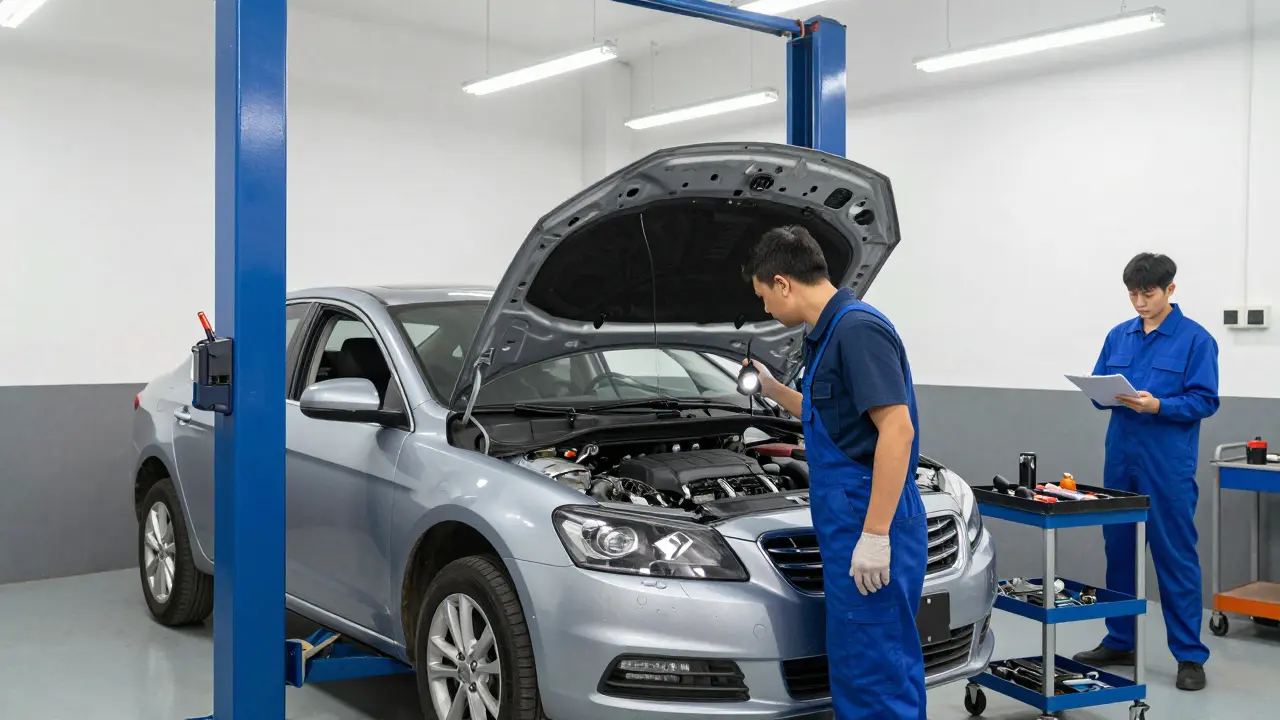
When you get to the mechanic, the first thing they shouldn’t do is remove the timing cover. The first thing they *should* do is perform a compression test. This simple diagnostic tool measures the pressure inside each cylinder. If all cylinders show good, consistent compression, there is a high chance the valves did not hit the pistons. If one or more cylinders show zero or very low compression, those valves are likely bent.
Another method is the "spark plug hole inspection." By removing the spark plugs and shining a flashlight into the cylinder, a mechanic can sometimes see if the valves are protruding too far or look damaged. However, the compression test is the gold standard for initial assessment.
If the compression is good, the mechanic will then remove the timing cover to inspect the belt. They will look for:
- Wear patterns: Glazing, cracking, or missing teeth on the belt.
- Tensioner condition: Is the tensioner pulley spinning freely? Is the hydraulic tensioner collapsed?
- Alignment marks: Modern belts and sprockets have alignment marks. If these marks do not line up perfectly with the manufacturer’s specifications, the belt has jumped teeth.
Repair Options and Costs
The cost of fixing a slipped timing belt varies wildly depending on the extent of the damage. Here is a breakdown of the scenarios you might face.
Scenario 1: No Internal Damage (Best Case)
If the compression test passes and the timing marks are only slightly off, you are lucky. The repair involves replacing the timing belt kit (belt, tensioner, idler pulleys) and resetting the timing to factory specifications. Labor costs depend on engine accessibility. On some cars, the timing belt is easily accessible; on others, it requires removing the intake manifold or even half the engine. Expect to pay between $400 and $800 for parts and labor.
Scenario 2: Bent Valves Only (Moderate Damage)
If the valves are bent but the pistons and cylinder head are intact, the repair is manageable but expensive. The mechanic must remove the cylinder head, replace the bent valves, resurface the head, and replace the timing belt kit. This typically costs between $1,500 and $2,500. It is painful, but the engine is salvageable.
Scenario 3: Catastrophic Failure (Worst Case)
If the pistons were damaged, the cylinder head is cracked, or the camshafts are broken, the engine is essentially totaled. At this point, you are looking at a long-block engine replacement or a new engine entirely. Costs range from $3,000 to $6,000+. For older vehicles with high mileage, this is often the moment to consider selling the car for scrap or trade-in rather than repairing it.
Prevention: How to Avoid This Nightmare
The best way to deal with a slipped timing belt is to never let it slip in the first place. Prevention is cheap compared to the cure.
- Follow the Manufacturer’s Interval: Most manufacturers recommend replacing the timing belt every 60,000 to 100,000 miles. Do not wait for it to fail. Rubber degrades over time, even if the car sits unused. If your car is 10 years old, replace the belt regardless of mileage.
- Replace the Water Pump Simultaneously: On many engines, the water pump is driven by the timing belt. Since the labor to access the belt is the same, replacing the water pump at the same time saves hundreds of dollars in future labor. If the water pump seizes, it can snap the timing belt instantly.
- Listen for Noises: Pay attention to changes in engine sound. A new ticking or rattling noise near the front of the engine should be investigated immediately.
- Use Quality Parts: When replacing the belt, use OEM (Original Equipment Manufacturer) or high-quality aftermarket brands like Gates or Dayco. Cheap belts may stretch prematurely, leading to slips.
For newer vehicles, consider checking if your car uses a timing chain instead of a belt. Chains are generally designed to last the life of the engine and are less prone to slipping unless the tensioner fails. However, chains can wear out over time and develop slack, so they are not immune to issues, but they are far more robust than rubber belts.
Frequently Asked Questions
Can I drive my car if the timing belt has slipped?
No, you should not drive your car if you suspect the timing belt has slipped. Driving with incorrect timing can cause severe internal engine damage, such as bent valves or cracked pistons, especially in interference engines. The risk of total engine failure is extremely high.
What does a slipped timing belt sound like?
A slipped timing belt may produce a loud ticking, rattling, or whining noise from the front of the engine. However, in some cases, it may be silent, resulting only in rough idling, loss of power, or the engine failing to start. If you hear any unusual noises combined with poor performance, stop driving immediately.
How much does it cost to fix a slipped timing belt?
The cost depends on the damage. If no internal parts are damaged, replacing the belt and tensioner costs $400-$800. If valves are bent, expect $1,500-$2,500 for head repairs. If the engine is severely damaged, costs can exceed $4,000 for an engine replacement.
Will a slipped timing belt trigger the Check Engine Light?
Yes, a slipped timing belt often triggers the Check Engine Light. Common codes include P0300 (random misfire) or specific cylinder misfires (P0301-P0304). However, the light may not come on immediately if the slip is minor, making regular maintenance crucial.
Is it better to have a timing belt or a timing chain?
Timing chains are generally more durable and require less frequent replacement than timing belts. However, chains can be louder and more expensive to replace if they fail. Timing belts are quieter and cheaper to replace but must be changed at strict intervals to prevent catastrophic failure.
Next Steps and Troubleshooting
If you are currently dealing with a suspected timing belt slip, your priority is diagnosis. Do not guess. Take the car to a professional mechanic who specializes in your vehicle’s make. Ask them to perform a compression test before tearing down the engine. This saves you from unnecessary disassembly if the engine is intact.
If your car is older and has high mileage, consider whether the investment in a major engine repair is worth it. Sometimes, trading in a car with a failed engine for a newer, reliable model is a smarter financial decision than spending thousands on repairs. Evaluate your budget, the car’s value, and your long-term transportation needs before signing off on a massive repair bill.
Remember, prevention is always cheaper than cure. Schedule your next timing belt replacement according to the manufacturer’s guidelines, and never ignore unusual engine noises. Your engine’s health depends on precise timing-literally.