
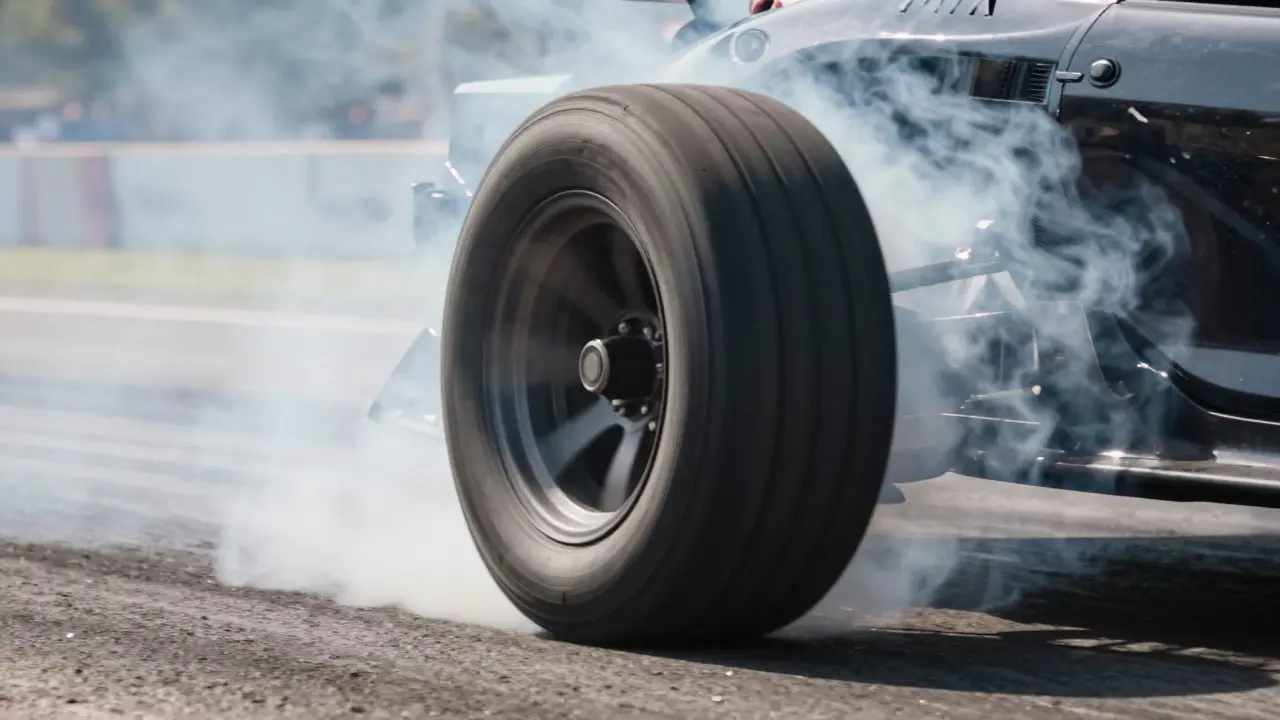
That split-second feeling when you mash the throttle and the tires just smoke instead of pushing you forward is frustrating. You’ve got the horsepower, but you can’t put it to the pavement. This is where Traction Control Tuning becomes your best friend. It’s not just about stopping a slide; it’s about managing how much power reaches the wheels so you can accelerate faster, whether you’re at a drag strip or merging onto a highway in the rain.
Most drivers think traction control is an on/off switch. In reality, modern systems are sophisticated algorithms that constantly negotiate between engine torque and tire grip. When we talk about tuning this system, we aren’t breaking laws of physics. We are optimizing the communication between your car’s brain and its rubber.
How Traction Control Actually Works
To tune what you have, you need to know how it operates. At its core, Traction Control System (TCS) is a safety feature that prevents wheel spin by reducing engine power or applying brakes to specific wheels. The system uses wheel speed sensors to detect if one wheel is spinning faster than the others. If the sensor sees a discrepancy, it assumes there is a loss of traction.
The computer then reacts in milliseconds. It has two main tools:
- Engine Torque Reduction: The ECU cuts fuel or ignition timing to drop power output instantly.
- Individual Braking: The ABS module applies brake pressure to the spinning wheel, forcing torque to transfer to the wheel with grip.
In stock settings, these systems are often overly cautious. They might cut power too early, making the car feel sluggish. Tuning involves adjusting the thresholds for when these interventions happen, allowing more slip before the system steps in.
The Role of ECU Mapping in Traction
You cannot separate traction control from ECU Mapping is the process of modifying the software parameters in an Engine Control Unit to optimize performance. The ECU manages everything from air-fuel ratios to ignition timing. When you tweak the map, you change how aggressively the engine delivers power.
A standard map is designed for emissions compliance and longevity, not maximum acceleration. A performance map raises the torque curve, especially in the lower RPM range. However, higher torque means less margin for error. If you increase power without adjusting the traction control logic, the car will fight you harder.
Professional tuners adjust the Torque Curve is a graph showing the rotational force available at different engine speeds. By flattening or shifting this curve, they can make power delivery smoother. A smooth power rise allows the tires to maintain grip longer than a sudden spike in torque. This is crucial for rear-wheel-drive cars with high horsepower.

Launch Control vs. Manual Launch Technique
Many modern vehicles come with Launch Control is a driver aid that optimizes engine RPM and throttle position for maximum acceleration from a standstill. This feature holds the engine at a specific RPM-usually between 3,000 and 4,500-and releases the clutch or torque converter smoothly when you let off the brake.
Is launch control better than doing it manually? For most drivers, yes. Human reaction times vary. Launch control ensures consistency. But here is the catch: stock launch control is often conservative. It limits RPM to protect the transmission and drivetrain.
When tuning for power management, you can adjust the launch control parameters:
- RPM Hold Point: Raising this slightly can improve off-the-line speed if your tires can handle it.
- Throttle Sensitivity: Adjusting how quickly the throttle opens upon release reduces shock to the drivetrain.
- Slip Threshold: Allowing a bit more initial wheel spin can sometimes result in faster overall acceleration, as the tires heat up and gain grip quicker.
However, be careful. Aggressive launch settings can destroy clutches and axles if done repeatedly on cold components.
Adjusting Slip Thresholds and Intervention Levels
The heart of traction tuning lies in the Slip Threshold is the percentage of wheel rotation difference allowed before the traction control system intervenes. Stock cars usually set this very low, around 1-2% slip. This feels safe but kills acceleration.
For performance driving, you might want to raise this to 5-10%. This allows the tires to break traction slightly, which can help them scrub off contaminants and find grip. Think of it like warming up racing slicks. A little spin generates heat, and heat creates friction.
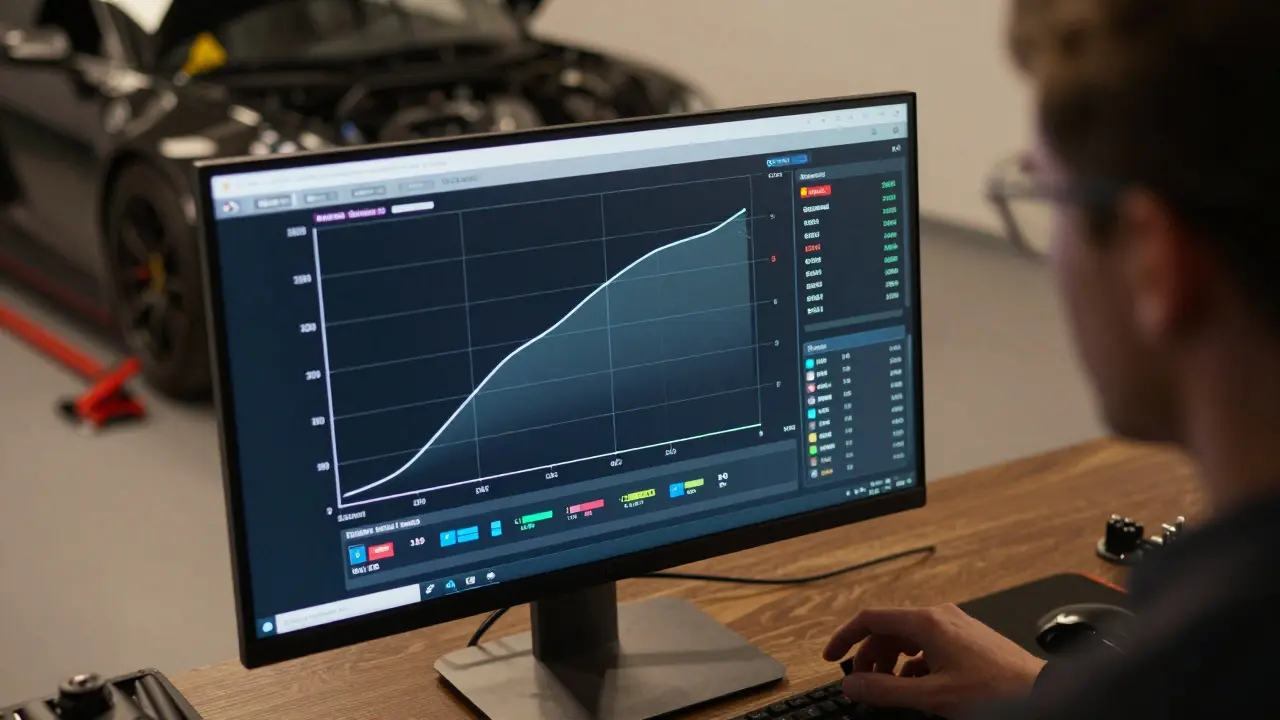
But context matters. On a dry drag strip, you want high slip tolerance. On a wet street, you want low slip tolerance. Modern tuners use Data Logging is the recording of vehicle performance data such as RPM, throttle position, and wheel speed for analysis. to find the sweet spot. They watch the logs to see exactly when the traction control kicks in and adjust the map so it happens later, only when necessary.
| Condition | Recommended Slip Threshold | Intervention Speed | Primary Goal |
|---|---|---|---|
| Dry Track / Drag Strip | High (5-10%) | Slow | Maximum Acceleration |
| Wet Street | Low (1-2%) | Fast | Safety & Stability |
| Snow / Ice | Very Low (<1%) | Instant | Traction Maintenance |
| Mixed Conditions | Medium (3-4%) | Moderate | Balanced Performance |
Hardware Limitations: Tires and Suspension
No amount of software tuning can fix bad hardware. Your Tire Compound is the rubber material composition that determines grip levels and wear characteristics. is the single biggest factor in traction. A hard street tire will never match the grip of a soft performance tire. Tuning must match the tire choice.
If you install sticky summer tires, you can tune the traction control to allow more slip because the tires have more natural grip. If you keep all-season touring tires, you must keep the intervention aggressive to prevent blowouts or loss of control.
Suspension geometry also plays a role. Wheel Camber is the angle of the wheels relative to the vertical axis of the vehicle. affects contact patch size. Too much negative camber reduces the flat area of the tire touching the road, leading to immediate spin under power. Ensure your alignment is optimized for straight-line acceleration before tweaking the ECU.
Common Pitfalls in Traction Tuning
Many enthusiasts make the mistake of turning off traction control entirely. This is dangerous and rarely optimal. Even professional racers leave some level of intervention active. Complete disengagement removes the safety net that prevents oversteer spins.
Another common error is ignoring Drivetrain Stress is the mechanical load placed on gears, shafts, and clutches during rapid acceleration.. Aggressive power management puts immense strain on your differential and transmission mounts. If you tune for instant torque spikes, ensure your hardware is upgraded to handle the load. Broken axle shafts are expensive lessons.
Also, consider temperature. Cold engines produce less power and cold tires have less grip. Tuning maps should ideally account for this. Some advanced tunes include Coolant Temperature Compensation is software adjustments that modify fuel and timing based on engine heat levels. to deliver power more gently until the engine warms up.
Can I tune my traction control myself?
It depends on your vehicle. Many modern cars require specialized software like Cobb Accessport, HP Tuners, or Dinan to access traction control modules. These tools often require a subscription and technical knowledge. Incorrect tuning can cause erratic behavior or damage. For beginners, buying a pre-made tune from a reputable vendor is safer than writing your own maps.
Does disabling traction control void my warranty?
Temporarily disabling traction control via a button usually does not void your warranty. However, permanently altering the ECU software through tuning can void the powertrain warranty. Manufacturers may deny claims if they detect modified software files, even if the modification didn't directly cause the failure. Check your specific warranty terms.
What is the best slip percentage for drag racing?
There is no single "best" number. It depends on your tire type, weight distribution, and horsepower. Generally, drag racers aim for a slip threshold that allows 5-10% wheel spin initially. This helps warm the tires and maintain momentum. You should determine this through testing and data logging rather than guessing.
How does weather affect traction control tuning?
Weather drastically changes grip levels. In rain or snow, you need tighter, more aggressive intervention to prevent sliding. Most tuners recommend reverting to stock or near-stock settings in adverse weather. High-slip tunes designed for dry tracks can lead to loss of control on wet roads.
Is launch control harmful to my car?
Occasional use is fine, but frequent abuse can wear out clutch plates, transmission mounts, and differential gears faster than normal driving. Always ensure your engine oil and transmission fluid are at operating temperature before using launch control. Cold fluids provide less lubrication, increasing the risk of component failure.