
Your car feels fine one minute, then suddenly lurches forward or refuses to change gears. That moment of panic in traffic is every driver’s nightmare. It usually points to a failing automatic transmission, which is a complex mechanical system that transfers engine power to the wheels. Ignoring these signs doesn't just ruin your day; it can leave you stranded or cause catastrophic damage that costs thousands to fix. Understanding what those weird noises and jerky movements mean is the first step toward saving your vehicle-and your wallet.
We often treat our cars like black boxes. We put gas in, turn the key, and expect them to drive. But when the transmission acts up, that illusion shatters. The good news? Many transmission issues start small. A slight delay in shifting or a minor slip at low speeds can be caught early. By learning to recognize the specific symptoms of transmission failure, which includes loss of power transfer, unusual noises, and fluid leaks>, you can decide whether you need a quick fluid top-up or a major rebuild before the problem gets worse.
The Sneaky Signs of Transmission Trouble
Most drivers don’t notice transmission problems until they are severe. However, the system usually sends warning signals long before total collapse. The most common early indicator is hesitation. When you press the gas pedal, does the engine rev higher than expected without the car speeding up proportionally? This is called "slipping." It happens when the internal clutches or bands inside the transmission fail to engage fully. You might feel this as a sudden loss of acceleration while merging onto a highway or climbing a hill.
Another red flag is rough shifting. In a healthy manual transmission, which requires driver input via a clutch pedal and gear stick>, shifts should be smooth. If you hear a grinding noise or feel a jarring jerk when changing gears, your synchronizers or clutch may be worn out. For automatics, harsh downshifts or delayed engagement when moving from Park to Drive suggest low fluid levels or valve body issues. Don't ignore the smell either. Burning transmission fluid smells distinctively sweet yet acrid, like burnt toast. If you catch that scent after a drive, check your fluid immediately.
- Slipping Gears: Engine RPMs rise but speed stays constant.
- Delayed Engagement: A pause of more than two seconds between shifting into Drive and feeling movement.
- Unusual Noises: Whining, humming, or clunking sounds when in neutral or during gear changes.
- Fluid Leaks: Red or brown puddles under the rear center of the vehicle.
- Warning Lights: The Check Engine Light or a specific Transmission Temperature Warning illuminating on the dashboard.
Why Does My Car Slip Out of Gear?
Slipping is frustrating because it feels unpredictable. One moment you’re cruising, and the next, the car feels disconnected from the engine. This symptom typically stems from three main culprits: low fluid, worn components, or overheating. Transmission fluid isn’t just lubricant; it’s hydraulic pressure. In an automatic transmission, fluid pressure pushes pistons against clutches to make gears engage. If the fluid level is low due to a leak, there isn’t enough pressure to hold the gear. The result? The clutch slips, and power is lost.
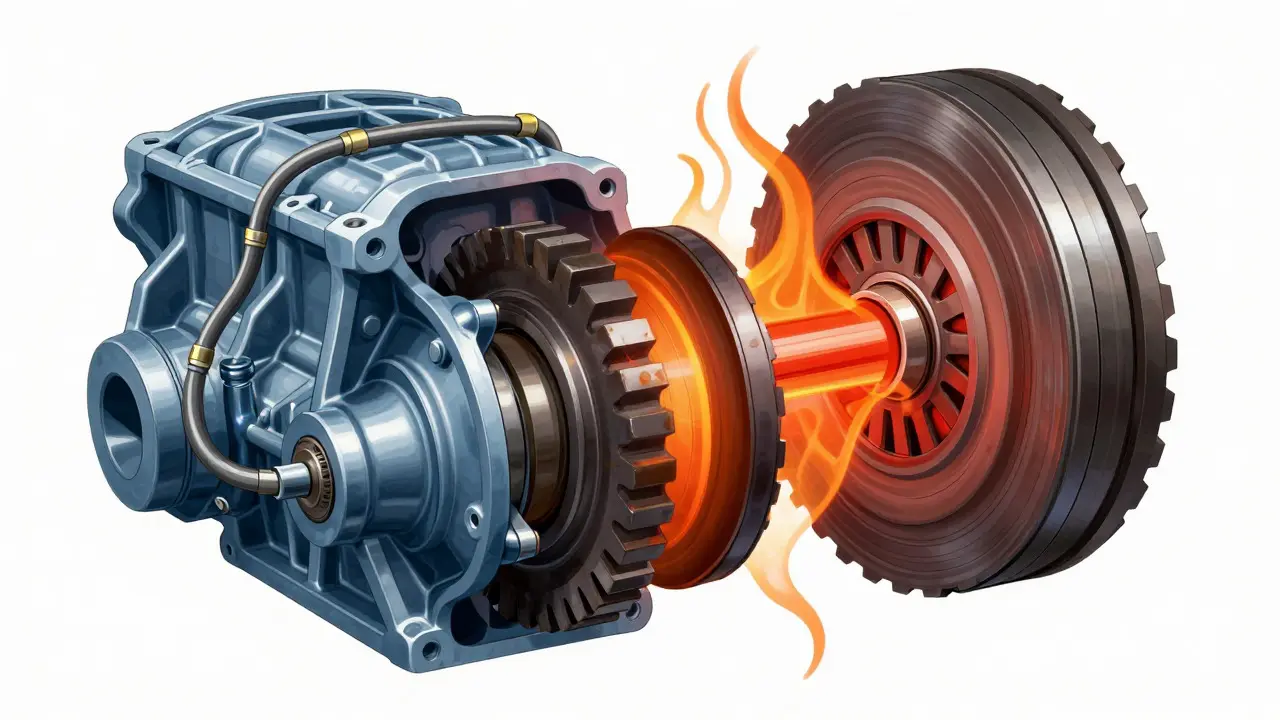
If the fluid level is fine, the issue might be internal wear. Over time, friction materials inside the transmission degrade. Think of it like brake pads wearing down. Once they get too thin, they can’t grip effectively. Heat accelerates this process. If you frequently tow heavy loads, drive in stop-and-go city traffic, or live in a hot climate, your transmission works harder and generates more heat. Excessive heat breaks down the chemical additives in the fluid, turning it into a sludge that no longer provides adequate protection or hydraulic force. This creates a vicious cycle: poor fluid leads to more friction, which creates more heat, leading to faster failure.
For manual transmissions, slipping is often related to the clutch disc. If the clutch cable is loose or the hydraulic master/slave cylinders are leaking, the clutch won’t disengage fully. This causes grinding when you try to shift. Alternatively, if the clutch disc itself is glazed or worn, it won’t grab the flywheel properly, causing the engine to race without moving the car. Diagnosing this requires checking the clutch pedal height and inspecting the fluid reservoir for leaks.
The Role of Transmission Fluid in Longevity
You wouldn’t run your engine without oil, so why neglect transmission fluid? Yet, many manufacturers claim their transmissions have "lifetime" fluid. This marketing term often misleads owners into thinking they never need to change it. In reality, "lifetime" usually means the warranty period or about 60,000 miles. Beyond that, the fluid degrades significantly. Regular fluid changes are the single most effective way to prevent premature transmission failure.
Different vehicles require different types of fluid. Using the wrong type can destroy a transmission in days. Modern Continuously Variable Transmissions (CVT), which use a belt and pulley system instead of fixed gears>, require specialized synthetic fluids with high friction coefficients. Putting standard automatic transmission fluid (ATF) into a CVT will cause immediate slipping and eventual breakdown. Always consult your owner’s manual. Look for specifications like Dexron VI, Mercon LV, or ATF+4. These codes ensure the fluid has the correct viscosity and additive package for your specific transmission design.
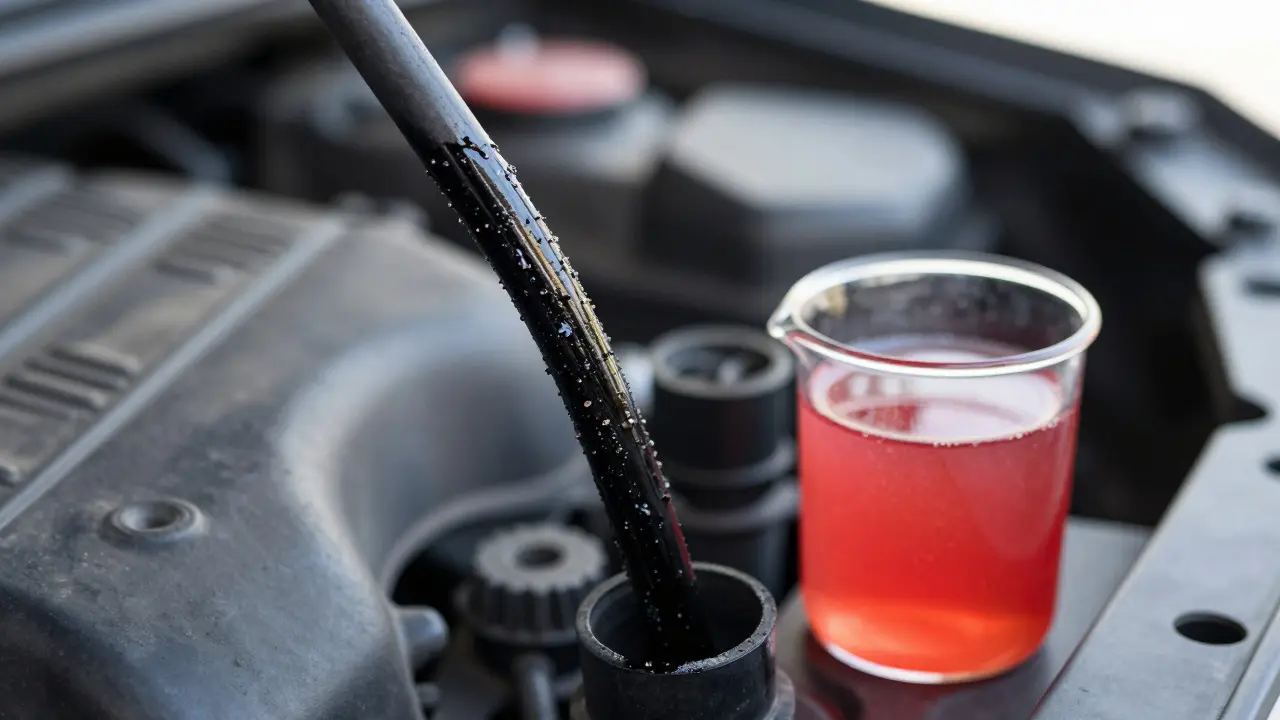
How do you know if your fluid is bad? Pull the dipstick (if equipped) and wipe it clean. Reinsert it and check the color and smell. Fresh fluid is bright red and transparent. Old, degraded fluid turns dark brown or black and may contain metal particles. If it smells burnt, the internal components have likely already suffered some damage. In this case, a simple flush might not be enough; a drain and fill with new fluid and a filter replacement is safer. Flushing can sometimes dislodge debris that clogs the valve body, causing erratic shifting.
| Condition | Color | Smell | Action Required |
|---|---|---|---|
| Fresh | Bright Red | Sweet/Mild | None - System Healthy |
| Used | Dark Red/Brown | Slightly Oily | Schedule Fluid Change Soon |
| Degraded | Black/Opaque | Burnt | Immediate Drain & Fill + Inspection |
| Mixed | Pink/Frothy | Gasoline-like | Coolant Leak Suspected - Stop Driving |
Diagnosing Shifting Delays and Harshness
A delay when shifting from Park to Drive is normal to a degree-it takes a second for the computer to verify safety and build pressure. But if it takes three seconds or more, or if the car jerks violently upon engagement, something is wrong. This is often a sign of low hydraulic pressure. The valve body, which acts as the brain of the hydraulic system directing fluid flow>, may be stuck or clogged with varnish. Varnish forms when old fluid breaks down and leaves sticky residues on the tiny valves and passages.
Harsh shifting can also stem from software issues. Modern transmissions are controlled by a Transmission Control Module (TCM). If the TCM receives incorrect data from sensors-like a faulty vehicle speed sensor or throttle position sensor-it may command shifts at the wrong time or with excessive pressure. Sometimes, a simple software update from the dealership can resolve harsh shifting complaints. Before spending hundreds on parts, ask a mechanic if a TCM reflash is available for your model year.
Another possibility is a failing torque converter. The torque converter connects the engine to the transmission using fluid coupling. If the lock-up clutch inside the converter fails, you’ll experience shuddering at highway speeds, similar to driving over rumble strips. This vibration is distinct from wheel balance issues because it correlates with speed and load, not just road surface. Diagnosing torque converter failure often requires scanning for specific trouble codes and performing a stall test, which should only be done by a professional.
Repair vs. Replacement: Making the Right Choice
When the diagnosis comes back as "transmission failure," the next question is cost. Can it be repaired, or does it need a full replacement? Minor issues like solenoid failures or seal leaks can often be fixed with a partial teardown, costing between £500 and £1,500 depending on labor rates in your area. However, if the internal gears or planetary sets are damaged, a complete rebuild or remanufactured unit is necessary.
A rebuilt transmission uses your original housing but replaces all worn parts with new ones. A remanufactured unit is pulled from another vehicle, stripped down to bare metal, and restored to factory specifications with new parts. Remanufactured units often come with better warranties because they undergo rigorous testing. New transmissions are rare and extremely expensive, usually reserved for luxury vehicles. For most drivers, a quality remanufactured transmission offers the best balance of reliability and cost.
Consider the value of your car. If your vehicle is worth less than the cost of the repair, it might be time to consider selling it or buying a newer model. However, if the rest of the car is solid-a good engine, rust-free frame, and reliable electronics-investing in a transmission repair can extend its life by another decade. Always get multiple quotes from independent specialists, not just dealerships. Independent shops often have more experience with older models and charge lower hourly rates.
Preventing Future Transmission Failures
Prevention is always cheaper than cure. Start by adhering to a strict fluid change schedule. Even if your manual says "lifetime," change the fluid every 30,000 to 60,000 miles. Use only the manufacturer-recommended fluid type. Avoid towing beyond your vehicle’s rated capacity, as this puts immense stress on the transmission. If you must tow, install a transmission cooler. An auxiliary cooler helps dissipate heat, keeping the fluid within its optimal operating temperature range.
Driving habits matter too. Aggressive acceleration and hard braking generate excess heat. Allow the transmission to cool down after heavy use by idling for a minute before shutting off the engine. This allows the fluid pump to circulate coolant through the system. Also, avoid resting your foot on the brake pedal while driving in automatic mode. This can cause the transmission to hunt for gears, leading to unnecessary wear.
Finally, listen to your car. If you notice any change in how it shifts, investigate immediately. Small problems are cheap to fix; big problems are devastating. By staying proactive, you ensure that your transmission remains a reliable partner on the road, rather than a source of anxiety and expense.
Is it safe to drive with a slipping transmission?
It is generally unsafe to drive with a slipping transmission. Slipping indicates that the internal clutches are failing to engage, which can lead to sudden loss of power while driving. This increases the risk of accidents, especially when merging or climbing hills. Furthermore, continued driving with a slipping transmission generates excessive heat, which can quickly destroy other internal components, turning a minor repair into a costly replacement.
How much does it cost to fix transmission slipping?
The cost varies widely depending on the cause. A simple fluid top-up or filter change might cost between £50 and £150. If the issue is a failed solenoid or seal, repairs could range from £500 to £1,200. A complete transmission rebuild or remanufactured replacement typically costs between £2,000 and £4,000, including labor. Always get a detailed diagnostic quote before authorizing any work.
Can low transmission fluid cause shifting problems?
Yes, low transmission fluid is a leading cause of shifting issues. Automatic transmissions rely on hydraulic pressure to engage gears. If the fluid level is too low, the pump cannot maintain sufficient pressure, resulting in delayed shifts, slipping, or harsh engagement. Checking and topping up the fluid is the first step in diagnosing shifting problems.
What causes a transmission to grind when shifting?
Grinding noises during shifting usually indicate mechanical wear. In manual transmissions, it often points to worn synchronizers or a failing clutch. In automatics, grinding can signal damaged gear teeth, bearing failure, or lack of lubrication due to low fluid. Immediate inspection is required to prevent further damage to the transmission casing or output shaft.
How often should I change my transmission fluid?
Despite some manufacturers claiming "lifetime" fluid, it is recommended to change transmission fluid every 30,000 to 60,000 miles for most vehicles. Severe driving conditions, such as frequent towing, stop-and-go traffic, or extreme temperatures, may require more frequent changes, perhaps every 20,000 to 30,000 miles. Consult your owner's manual for specific intervals.