
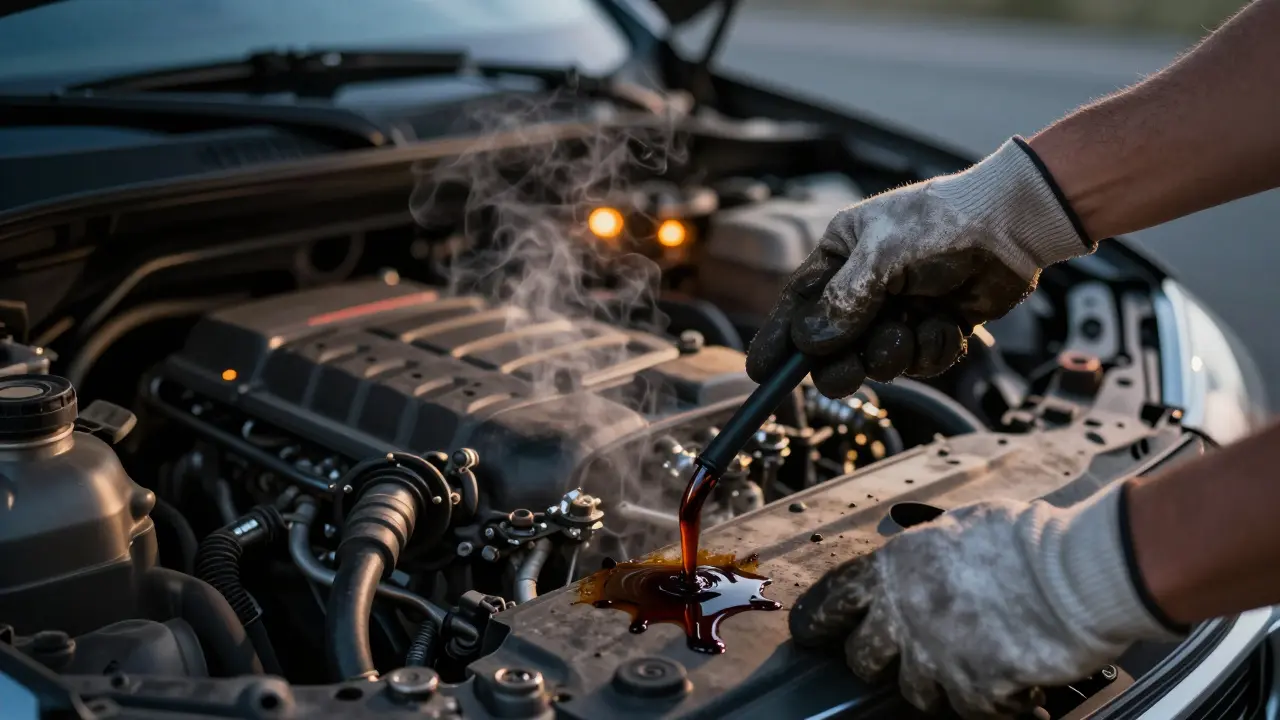
If your car suddenly feels like it’s losing power when you step on the gas, or it jerks hard between gears, you’re not imagining things. Those are classic signs of a failing transmission-and they’re more common than you think. By 2026, over 60% of cars on UK roads are past their 10-year mark, and transmissions in older vehicles are starting to show their age. Unlike engine problems, transmission issues don’t always come with warning lights. They sneak up slowly: a delay when shifting, a strange whine, or that unsettling sensation that the car is slipping out of gear. If you’ve noticed any of these, it’s not just a bad day at the wheel. It’s a signal to act.
What Does Transmission Slipping Actually Mean?
Transmission slipping happens when the gears don’t stay locked in place. You press the accelerator, the engine revs up, but the car doesn’t speed up like it should. It’s like driving in second gear on the motorway while the tachometer climbs toward redline. You might think it’s a throttle issue, but more often than not, it’s the transmission fluid breaking down.
Automatic transmissions rely on hydraulic pressure to engage gears. That pressure comes from transmission fluid, which also cools and lubricates internal parts. Over time, heat and friction degrade the fluid. Old fluid loses its viscosity and can’t build enough pressure to hold the clutch packs and bands tightly. The result? Slipping. Most manufacturers recommend a fluid change every 60,000 to 80,000 miles. If yours hasn’t been changed since 2018 and you’ve driven 90,000 miles, you’re already in danger zone.
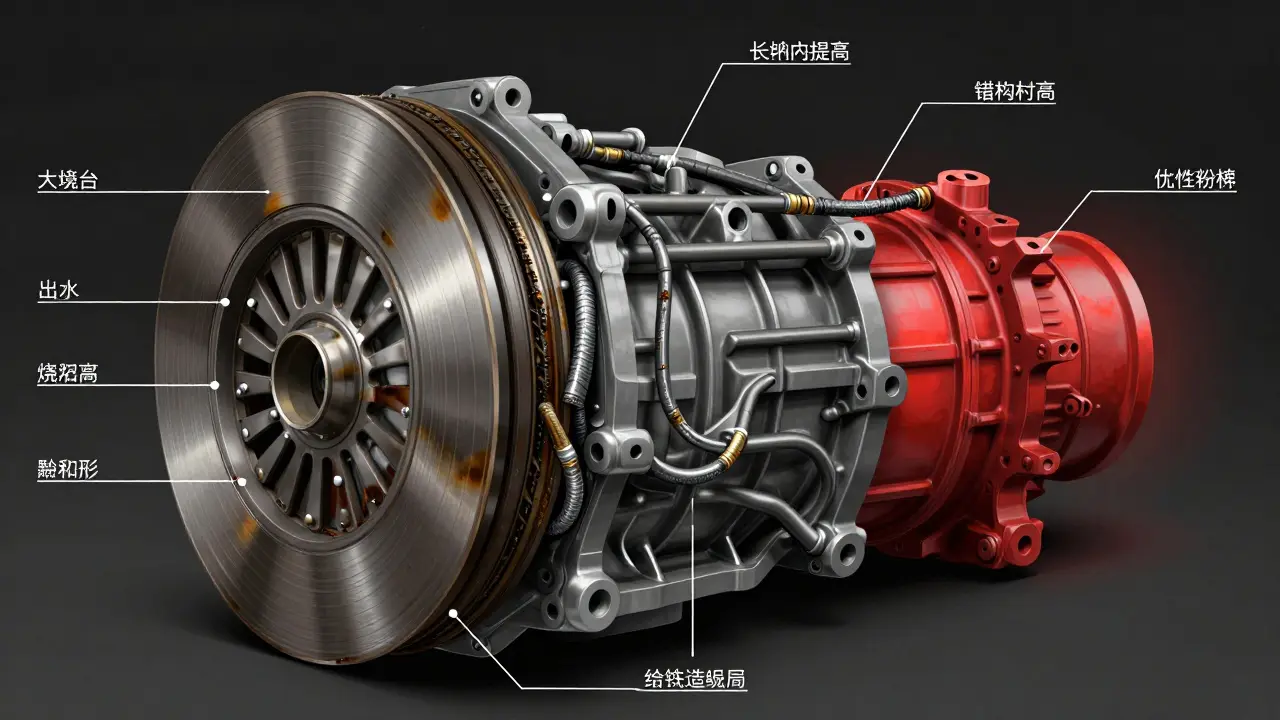
Another common cause is worn clutch plates inside the transmission. These are thin metal discs that grip and release to shift gears. When they wear thin, they can’t hold torque properly. You’ll notice slipping mostly under load-like when accelerating from a stop or going uphill. If you hear a high-pitched whine along with slipping, it’s often a sign the torque converter is failing too.
Why Does My Car Jerk When Shifting?
Jerking between gears is different from slipping. It’s not about losing power-it’s about sudden, harsh engagement. Think of it like slamming on the brakes while moving. One moment you’re cruising, the next your body lurches forward. This usually points to one of three things: dirty fluid, faulty solenoids, or worn transmission mounts.
Transmission fluid doesn’t just lubricate-it also controls the timing of shifts. When it gets contaminated with metal shavings or sludge, the valves and solenoids that regulate fluid flow get clogged. That causes delays or erratic pressure changes. Instead of a smooth transition, the transmission slams into gear. A simple fluid flush can fix this in many cases, especially if caught early.
Electrical solenoids are small valves that open and close to direct fluid to the right clutch packs. If one sticks or fails, it can cause erratic shifting. Modern cars use up to eight solenoids. A diagnostic scan will show fault codes like P0753 or P0758, pointing to specific solenoid failures. Many mechanics skip checking solenoids because they assume it’s a mechanical issue. But in cars under 15 years old, electrical faults are just as common.
Worn transmission mounts are another sneaky culprit. These rubber-and-metal brackets hold the transmission in place. When they crack or collapse, the transmission shifts position under load. That misalignment causes a hard thud when shifting. You might even feel vibrations through the floor. It’s easy to mistake this for a bad engine mount, but the location of the noise gives it away-transmission mounts are usually near the back of the engine bay, close to the firewall.
Delayed or Rough Shifting: Signs of Bigger Trouble
When shifting takes longer than a second, or you feel a noticeable pause before the gear engages, that’s delayed shifting. It’s often the first symptom before full transmission failure. In automatics, this usually means the transmission control module (TCM) is struggling to communicate with the engine or the fluid pressure is too low.
Manual transmissions can also suffer from rough shifting, but the causes are different. A worn clutch disc, a misadjusted cable, or low gearbox oil are the usual suspects. If you have to force the gear lever into place, or hear grinding when you shift, don’t keep driving. Grinding metal means the synchronizers inside the gearbox are worn out. Replacing them requires pulling the transmission out-a job that costs £800 to £1,500 depending on the car.
Some drivers ignore delayed shifts because the car still moves. But that delay is putting extra stress on internal components. Every time the transmission hesitates, the clutches are slipping slightly, generating heat. That heat breaks down the fluid faster, creating a vicious cycle. By the time you notice the car won’t go into reverse or first gear, you’re looking at a rebuild-or worse, a replacement.
What to Check Before You Pay for a Full Replacement
Before you accept a £3,000 transmission replacement quote, get a second opinion. Many shops push full replacements because they’re profitable. But in 70% of cases, a simpler fix will do.
- Check the fluid level and condition. Pull the dipstick (if your car has one). The fluid should be red or pink and smell clean. If it’s brown, smells burnt, or has metal flakes, it’s time for a flush.
- Scan for fault codes. Even if the check engine light isn’t on, a basic OBD2 scan can reveal solenoid or sensor issues. Many auto parts stores in Bristol offer free scans.
- Inspect for leaks. Look under the car for red fluid pooling. A small leak from a seal or gasket can drop fluid levels enough to cause slipping. Replacing a seal costs £150-£300. Letting it leak costs thousands.
- Test drive with a mechanic. Ask them to replicate the issue while you ride along. A good technician will note when the problem happens-cold start? After driving 20 minutes? Only under acceleration? That helps pinpoint the cause.
Some cars, like older Ford Focuses or Vauxhall Corsas, have known transmission issues tied to software glitches. A simple TCM reflash can fix shifting problems without touching a single part. Always ask if a software update is available before agreeing to mechanical repairs.
How Long Can You Drive With These Symptoms?
It’s tempting to keep driving when the car still moves. But transmission damage is cumulative. Slipping and jerking aren’t just annoying-they’re destructive.
If you’re experiencing slipping, you have about 500 to 1,000 miles before internal damage becomes irreversible. The heat generated by slipping clutches warps the plates, melts the friction material, and contaminates the entire system with debris. Once that happens, even a rebuild won’t fix it-you’ll need a new unit.
Jerking and delayed shifts are slightly less urgent, but still serious. You might get 2,000 miles out of it, but each hard shift wears down the gears and bearings. By the time you hear a clunk when shifting into park, you’re past the point of no return.
There’s no magic fix. No additive, no miracle fluid, no “just drive gently” trick will save a transmission that’s already failing. The only thing that works is timely intervention.
When to Repair vs. Replace
Here’s the reality: transmission repairs are expensive, but replacements are often unnecessary.
| Condition | Recommended Action | Estimated Cost (UK) |
|---|---|---|
| Low or dirty fluid only | Fluid flush + filter change | £150-£250 |
| Slipping + burnt smell | Rebuild with new clutch packs and seals | £1,200-£1,800 |
| Jerking + fault codes for solenoids | Replace faulty solenoids + flush | £400-£700 |
| Complete failure (no gears, loud clunks) | Replacement with reconditioned unit | £2,000-£3,500 |
| Car is over 15 years old with 150k+ miles | Consider cost vs. vehicle value | May not be worth repairing |
If your car is worth less than £2,000 and the repair costs over £1,500, it’s usually smarter to sell it for parts or scrap. But if you love the car, it’s been reliable, and you’re not ready to replace it, a rebuild is often the best value.
Preventing Future Transmission Problems
Most transmission failures are preventable. Here’s how:
- Change the fluid every 60,000 miles or every 4 years-whichever comes first.
- Don’t tow heavy loads without a transmission cooler. Even small trailers can overload the system.
- Let the car warm up for 30 seconds in cold weather before driving. Cold fluid doesn’t flow well.
- Avoid riding the brake while in gear. It heats up the transmission unnecessarily.
- Use the correct fluid type. Never mix synthetic with conventional, and never use generic fluid unless it’s OEM-approved.
Many people think transmissions are "sealed for life." That’s a myth pushed by dealerships to avoid maintenance costs. The truth? Your transmission is one of the most expensive parts in your car. Treat it like your engine-and you’ll save thousands.
Can a transmission fluid change fix slipping?
Yes, if the slipping is caused by low or degraded fluid. A flush and filter change can restore pressure and stop slipping in many cases. But if the clutch plates or bands are already worn, a fluid change won’t fix the damage-it only slows further wear.
Is it safe to drive with a jerking transmission?
No. Jerking puts stress on gears, bearings, and the drivetrain. It can cause sudden loss of power or gear engagement, especially in traffic. Continuing to drive risks total transmission failure and could lead to an accident.
Why does my transmission only slip when hot?
Heat thins out old transmission fluid, reducing its ability to create hydraulic pressure. When the fluid gets too hot, it can’t grip the clutch packs properly. This is why slipping often starts after driving for 20-30 minutes. A fluid flush and adding a transmission cooler can help.
Can I use an additive to fix transmission problems?
No. Additives that claim to stop slipping or seal leaks are temporary fixes at best. They can clog valves and filters, making the problem worse. The only reliable solution is proper diagnosis and repair by a qualified technician.
How long does a transmission rebuild last?
A quality rebuild, done with OEM or high-grade aftermarket parts, should last 80,000 to 120,000 miles-if you maintain it properly. That means regular fluid changes, avoiding towing over capacity, and not letting the transmission overheat.
Transmission problems don’t fix themselves. They get worse-fast. If you’ve noticed slipping, jerking, or delayed shifts, don’t wait for it to fail completely. Get it checked now. A £200 fluid change today could save you £2,500 tomorrow.