
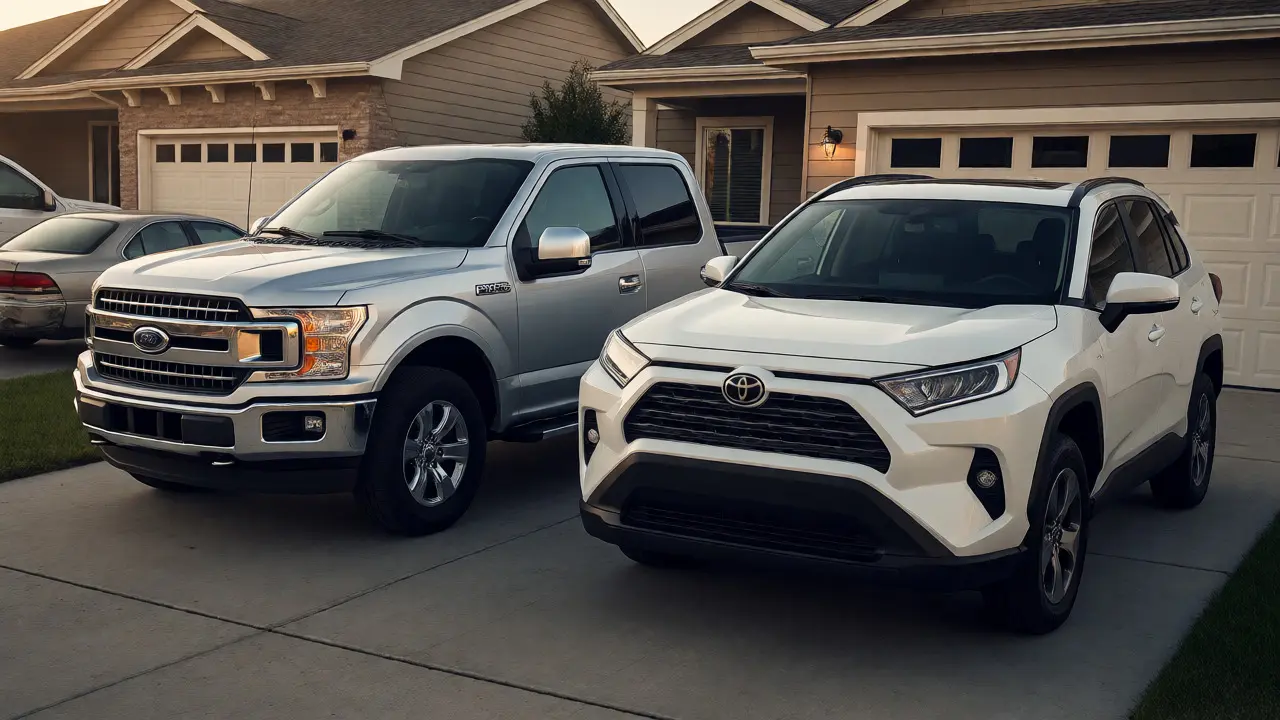
Buying a new truck or SUV feels like a smart move until you try to sell it three years later. You expect a tidy profit or at least a break-even point, but the numbers often tell a different story. In 2026, the U.S. used vehicle market is stabilizing after years of wild swings caused by supply chain issues and shifting fuel prices. If you are looking to buy, hold, or flip a vehicle, understanding how trucks and SUVs retain their value is critical. It’s not just about brand loyalty anymore; it’s about utility, fuel efficiency, and what buyers actually want on their driveways right now.
The Current State of Vehicle Depreciation
Depreciation is the silent killer of car ownership costs. On average, a new vehicle loses about 15% of its value in the first year and another 10-15% each subsequent year. But trucks and SUVs have historically bucked this trend slightly better than sedans. Why? Because they offer utility that sedans cannot match. Whether it’s hauling lumber, towing a boat, or surviving a snowy commute in Minnesota, these vehicles do jobs that keep demand high.
However, the gap between "new" and "used" pricing has narrowed recently. In early 2024, used trucks were sometimes selling for more than new ones due to inventory shortages. By late 2026, normalcy has returned. New inventory levels are healthy, which puts downward pressure on used prices. This means if you bought a Ford F-150 in 2022, your equity position might look different today than it did two years ago. The key takeaway? Don’t assume every truck holds value equally. The specific model, trim level, and mileage matter more than ever.
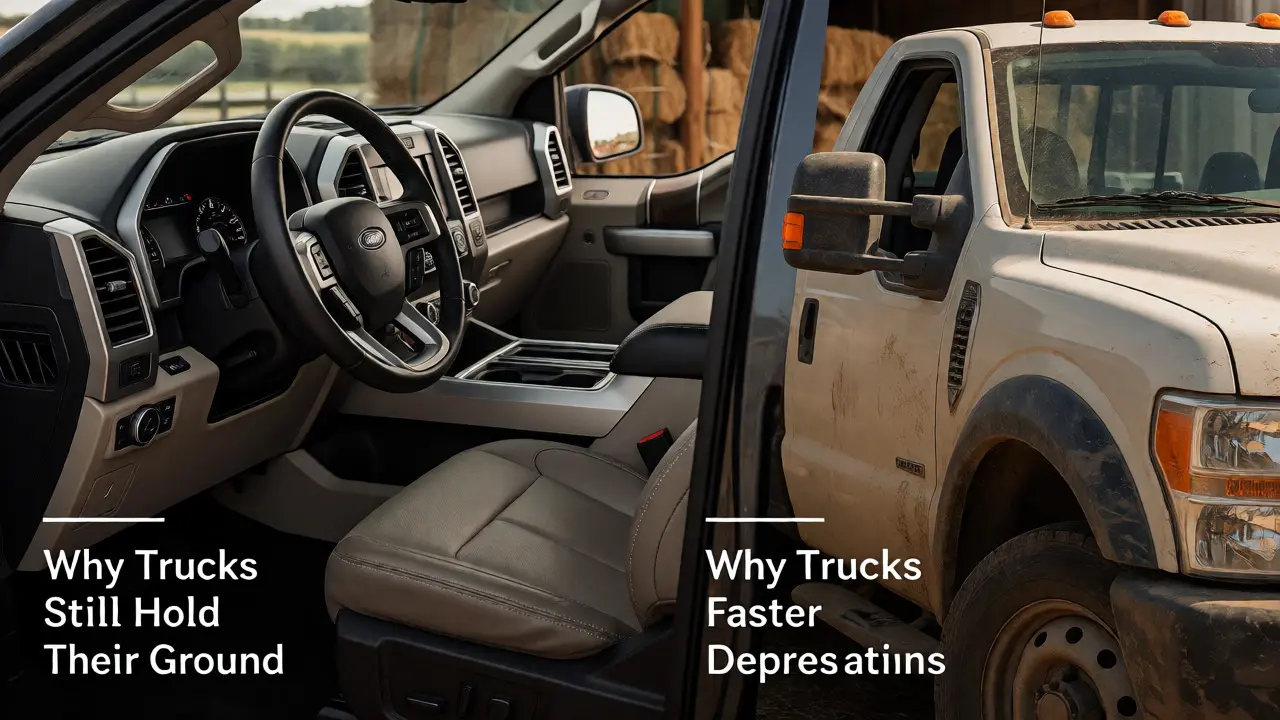
Why Trucks Still Hold Their Ground
Full-size pickup trucks remain the kings of residual value in America. According to data from Kelley Blue Book and Edmunds, models like the Ford F-Series, Chevrolet Silverado, and Ram 1500 consistently rank among the top vehicles for long-term value retention. These aren't just status symbols; they are work tools. Businesses buy them, farmers rely on them, and families use them as daily drivers. This multi-sector demand creates a floor for prices.
But there is a nuance here. Base model work trucks depreciate differently than high-trim luxury pickups. A bare-bones fleet truck with 100,000 miles might lose value faster because it looks worn out. Conversely, a fully loaded F-150 Lariat with leather seats and tech packages retains value well because private buyers love those features. If you plan to sell within five years, avoid excessive modifications. Lift kits and loud exhaust systems might please you, but they narrow your buyer pool significantly when it’s time to resell.
SUVs: The Shift Toward Compact and Hybrid
SUVs are a massive category, ranging from small crossovers to body-on-frame behemoths. The resale landscape here is fragmented. Large, gas-guzzling SUVs like the Chevrolet Suburban have seen softer demand as fuel prices remain volatile. Buyers are increasingly hesitant to commit to a vehicle that gets 15 miles per gallon unless it offers undeniable space or towing capability.
On the other hand, compact SUVs and hybrids are hot commodities. The Toyota RAV4 and Honda CR-V continue to dominate the resale charts. Their secret weapon? Reliability combined with practicality. They fit into tight city parking spots, get decent gas mileage, and rarely break down. When a buyer searches for a used SUV, they often filter by reliability ratings first. Brands with strong reputations for longevity command higher prices because buyers trust they won’t face expensive repairs next month.
| Vehicle Type | Example Model | Avg. % Value Retained | Primary Demand Driver |
|---|---|---|---|
| Full-Size Pickup | Ford F-150 XLT | 68% | Towing capacity, durability |
| Compact SUV | Toyota RAV4 Hybrid | 72% | Fuel economy, reliability |
| Luxury SUV | Audi Q5 | 55% | Prestige, technology |
| Mid-Size Truck | Toyota Tacoma | 75% | Off-road capability, brand loyalty |
| Electric SUV | Tesla Model Y | 60% | Software updates, charging network |
The Impact of Fuel Efficiency and Electrification
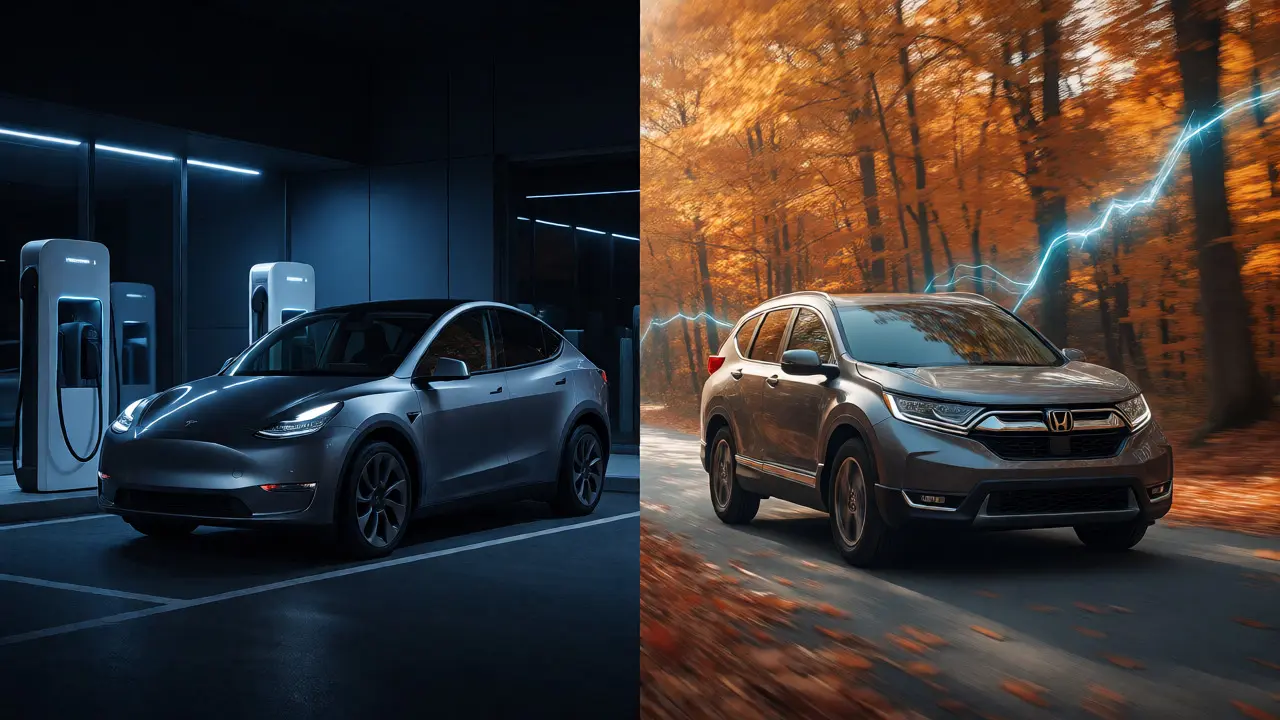
You cannot talk about resale value in 2026 without mentioning electrification. Electric vehicles (EVs) have matured, but their resale values are still tricky. Early adopters who bought EVs in 2020 faced steep depreciation as battery technology improved and older models became less competitive. Today, newer EVs like the Tesla Model Y and Ford Mustang Mach-E are holding value better because the infrastructure supports them.
Hybrids, however, are the sweet spot for resale value right now. They offer the fuel savings of an EV without range anxiety. Used hybrid SUVs are selling quickly because gas prices haven’t dropped enough to make pure gasoline engines attractive. If you are buying a truck or SUV today with an eye on resale, consider a hybrid powertrain. It adds a premium upfront, but you’ll likely recoup much of that cost when you sell, especially in states with high fuel taxes or strict emissions regulations.
Factors That Kill Your Resale Price
Even the best trucks can lose value fast if you treat them poorly. Here are the biggest red flags for used car buyers:
- High Mileage: Once a truck crosses 100,000 miles, the price drops sharply. Buyers worry about transmission failures and engine wear. Regular maintenance records can mitigate this fear, but missing records raise doubts.
- Accident History: A clean Carfax report is worth thousands. Even minor fender benders show up on history reports and scare off cautious buyers. If you dent your bumper, fix it before selling if possible.
- Neglected Maintenance: Skipping oil changes or ignoring check-engine lights leaves a trail. Buyers can inspect service records. If you can’t prove you cared for the vehicle, they will discount the price heavily.
- Color Choices: Believe it or not, color matters. White, black, silver, and gray trucks sell fastest. Bright orange or purple might be fun to drive, but you’ll wait longer to find a buyer willing to pay full price.
Regional Differences Across the U.S.
Where you live affects what your vehicle is worth. In the Pacific Northwest, all-wheel-drive SUVs command a premium because of rain and occasional snow. In Texas and Florida, large, rear-wheel-drive trucks are preferred for their simplicity and lower purchase price. A four-wheel-drive truck sold in Miami might fetch less than one sold in Denver because local buyers don’t need the extra traction.
Urban areas also favor smaller, easier-to-park vehicles. A massive crew-cab pickup might struggle to find a buyer in downtown San Francisco compared to rural Alabama. Always check local listings on sites like Autotrader or Cars.com to see what similar vehicles are asking for in your zip code. National averages can mislead you if your local market skews toward specific vehicle types.
How to Maximize Your Return When Selling
If you own a truck or SUV now, you can take steps to protect your investment. First, keep detailed records of every service visit. Digital receipts are great, but physical binders impress buyers. Second, address cosmetic flaws cheaply. A $50 headlight restoration kit can make an old truck look years younger. Third, time your sale. Spring and summer are peak seasons for outdoor activities, meaning higher demand for trucks and SUVs. Selling in November or December might mean waiting for serious buyers.
Finally, know your platform. Selling privately usually nets more money than trading in at a dealership, but it takes more effort. Dealerships offer convenience but pay wholesale prices. If your vehicle is in excellent condition, a private sale through Facebook Marketplace or Craigslist could yield an extra $1,000-$2,000 over a dealer trade-in.
Looking Ahead: What Will Happen in 2027?
Experts predict that interest rates will influence used car prices significantly. Higher borrowing costs make new cars less affordable, pushing more buyers into the used market. This increased demand supports resale values. However, as electric vehicle adoption grows, we might see traditional internal combustion engine trucks start to depreciate faster as they become less desirable to eco-conscious buyers.
For now, trucks and SUVs remain solid financial choices compared to luxury sedans or sports cars. They serve a purpose, and people will always pay for utility. Just remember: the most valuable vehicle is the one you maintain well and sell at the right time.
Which truck brand has the best resale value in 2026?
Toyota typically leads the pack, particularly with the Tacoma and Tundra models, due to exceptional reliability and strong brand loyalty. The Ford F-Series follows closely behind, benefiting from widespread availability and a massive community of owners who keep parts and knowledge accessible.
Do electric SUVs hold their value better than gas SUVs?
Not necessarily. While newer electric SUVs are improving, they generally depreciate faster than comparable gas or hybrid models due to rapid technological changes and battery degradation concerns. Hybrids currently offer the best balance of fuel savings and value retention.
Is it better to buy a used truck or a new one for resale?
Buying a lightly used truck (1-2 years old) often provides the best financial outcome. You avoid the steepest initial depreciation hit while still getting a modern vehicle with warranty coverage remaining. Selling it after 2-3 years allows you to capitalize on stable used market prices.
How does mileage affect truck resale value?
Mileage impacts value non-linearly. Up to 60,000 miles, the impact is moderate. Between 60,000 and 100,000 miles, value drops steadily. Beyond 100,000 miles, the drop accelerates as buyers anticipate major maintenance costs. Low-mileage examples under 50,000 miles command significant premiums.
Does color really matter for resale value?
Yes, neutral colors like white, black, silver, and gray are easiest to sell and often fetch higher prices because they appeal to the widest audience. Unusual colors limit your buyer pool, forcing you to either lower the price or wait longer for a sale.