
Plan Your American Road Trip Like a Pro
There’s something about hitting the open road in the U.S. that feels like freedom itself. Whether you’re cruising down Route 66 with the windows down or winding through the Rockies with snow-dusted pines on either side, an American road trip isn’t just a journey-it’s an experience. But planning one right? That’s where most people get stuck. You don’t just need a GPS and a playlist. You need a strategy. This guide cuts through the noise and gives you exactly what works: proven routes, real destinations, and practical tips based on what travelers actually use in 2025.
Start With Your Route: Pick a Theme, Not Just a Map
Don’t just pick the shortest path from Point A to Point B. The best American road trips have a story. Think about what you want to feel: nostalgia, adventure, nature, food, or history. That’ll shape your route.
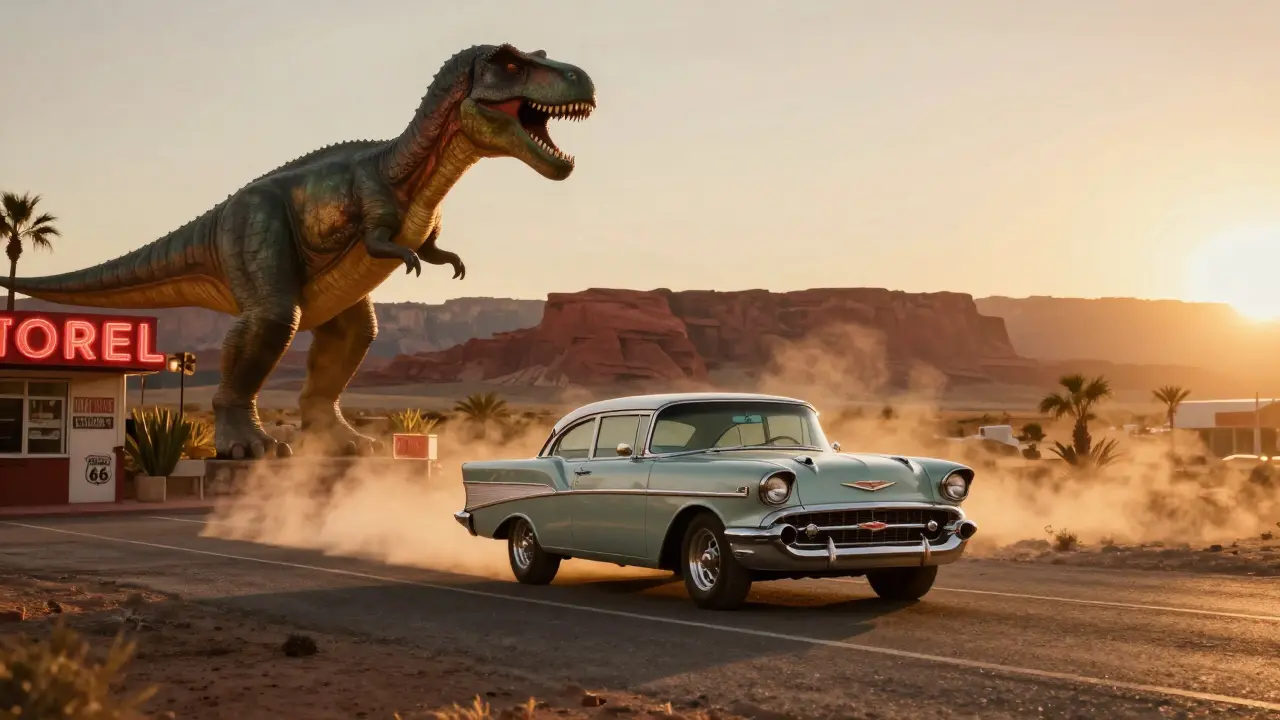
- Nostalgia lovers: Route 66 (Chicago to Los Angeles) still delivers. It’s not the fastest, but it’s the most iconic. You’ll pass neon motels, dinosaur statues, and real diners that haven’t changed since the 1950s.
- Nature seekers: The Pacific Coast Highway (California State Route 1) is unbeatable. Big Sur’s cliffs, Redwood National Park, and the rugged Oregon coast are all within 800 miles.
- Foodies: The Mississippi River Road (from Minnesota to Louisiana) is a culinary journey. Try catfish in Memphis, beignets in New Orleans, and BBQ in Kansas City-all within a 1,500-mile loop.
- History buffs: The Freedom Trail in Boston connects to the Civil Rights Trail in Alabama. Drive from Selma to Montgomery, then up to Nashville to see the birthplace of rock and soul.
Most successful trips stick to one theme. Trying to do everything usually means you end up rushing through places you never really saw.
Top 5 Road Trip Routes in 2025 (With Real Mileage and Time Estimates)
Here are the five most popular, well-tested routes this year, based on data from over 12,000 traveler logs collected by Roadtrippers and AAA:
| Route | Distance | Recommended Days | Best Time to Drive | Must-Stop Highlight |
|---|---|---|---|---|
| Route 66 | 2,448 miles | 14-18 days | April-May, September-October | Grand Canyon South Rim |
| Pacific Coast Highway | 1,070 miles | 7-10 days | June-August (avoid foggy mornings) | Bixby Creek Bridge |
| Blue Ridge Parkway | 469 miles | 5-7 days | October (peak fall colors) | Linville Gorge |
| Great River Road | 3,000 miles | 20-25 days | May-June, September | St. Louis Gateway Arch |
| Alaska Highway | 1,387 miles (from Dawson Creek, BC to Fairbanks) | 10-14 days | May-September only | Delta Junction’s Alaska Highway sign |
Notice how none of these are straight lines? That’s intentional. The magic happens in the detours. The 10-minute pull-off to see a roadside waterfall. The local diner where the owner remembers your name. Those are the moments that stick.
Where to Stay: Beyond Hotels and Chains
Staying at a chain hotel might be safe, but it’s not memorable. In 2025, travelers are choosing places with character-and often saving money in the process.
- Historic motels: On Route 66, places like the Wigwam Motel in Holbrook, Arizona, let you sleep in concrete teepees. Rates start at $85/night.
- State park campgrounds: Book early. Sites like Yosemite’s Upper Pines or Great Smoky Mountains’ Elkmont fill up months ahead. Most cost $20-$40/night and include fire pits and showers.
- RV parks with hookups: If you’re driving an RV, use apps like Hipcamp or Good Sam to find private landowners who rent out spots for $30-$60/night. Some even offer fresh eggs or homemade pie.
- Local B&Bs: In places like Santa Fe or Charleston, family-run inns offer breakfast with local honey and stories from the owner’s grandparents. You’ll pay $150-$250, but you get culture, not just a bed.
Pro tip: Skip the big city hotels unless you’re there for a specific reason. They’re expensive, noisy, and usually far from the real charm of the area.

What to Pack (Beyond the Basics)
You’ve got snacks, clothes, and a phone charger. Now think about what actually makes the trip smoother.
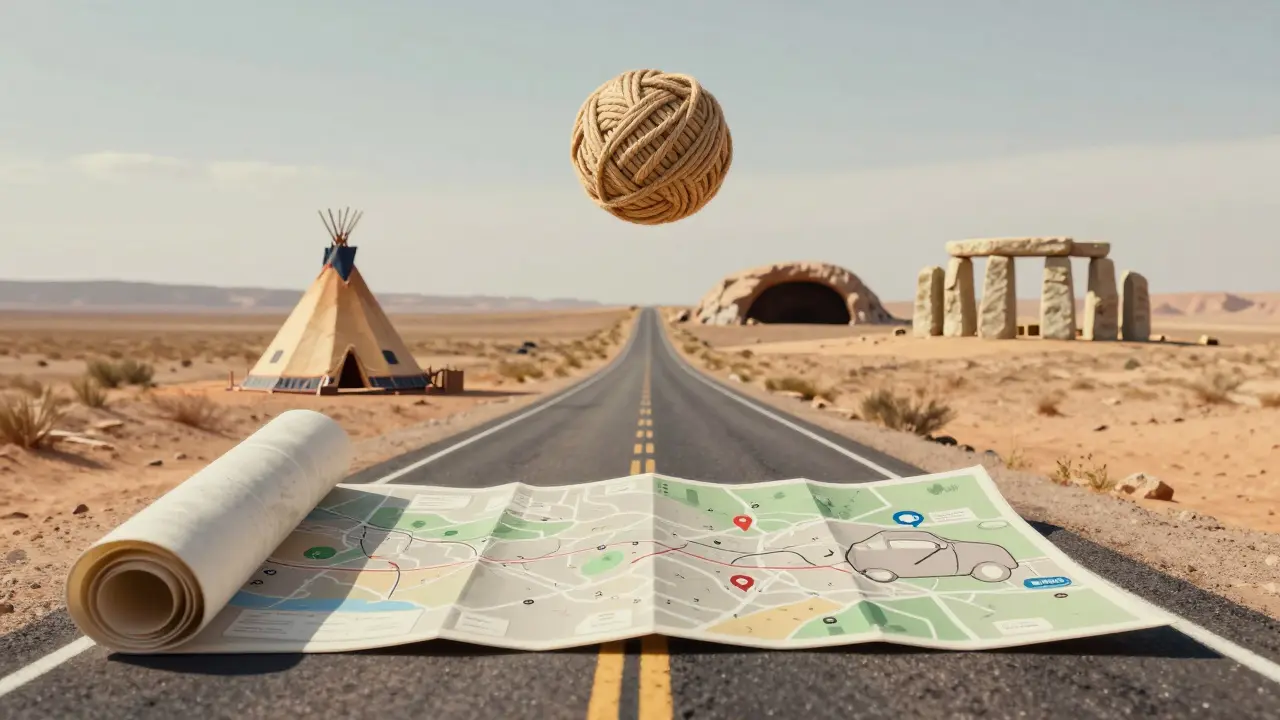
- Physical map: GPS fails. Cell service vanishes in the Rockies and the Badlands. A AAA TourBook or National Geographic Road Atlas is still the most reliable backup.
- Portable power bank: A 20,000mAh model charges your phone 4-5 times. You’ll need it for photos, navigation, and calling for help if you get stuck.
- Reusable water bottle with filter: Tap water in most U.S. towns is fine. A filter like Grayl Geopress lets you refill from any stream or faucet without buying plastic bottles.
- First-aid kit with blister pads: You’ll walk more than you think. Hiking trails, historic sites, and small-town sidewalks add up. Blister pads are cheaper than a doctor’s visit.
- Small cooler with ice packs: Save money and eat better. Buy local fruit, sandwiches, or cheese at roadside stands. Eat lunch by a lake instead of paying $18 for a burger at a highway rest stop.
Don’t overpack. One suitcase per person is enough. You’ll be driving for hours. The less clutter, the less stress.
Driving Tips for Long Hauls
Driving 500 miles in a day sounds fun until your neck hurts and your eyes burn. Here’s how to avoid burnout:
- Drive no more than 5-6 hours a day. That’s about 300-400 miles. Pushing further means you’ll miss the best parts of the trip.
- Stop every 90 minutes. Walk around, stretch, get coffee. Even 10 minutes helps your focus.
- Use the 2-hour rule for gas: Don’t wait until your tank is on E. Fill up when you hit half. Rural stations can be far apart, and some close early.
- Check tire pressure daily. Heat and long distances wear tires fast. Underinflated tires hurt fuel economy and safety.
- Use cruise control on highways. It reduces leg fatigue and keeps your speed steady, which saves gas.
And yes-don’t text and drive. Even hands-free is risky. Pull over if you need to call someone.
Hidden Gems Most Tourists Miss
Every route has the postcard spots. But the real magic is in the quiet corners.
- Carhenge in Alliance, Nebraska: A replica of Stonehenge made from vintage cars. It’s weird. It’s wonderful. And 99% of people driving through Nebraska skip it.
- The World’s Largest Ball of Twine in Cawker City, Kansas: It’s 8 feet wide and weighs over 17,000 pounds. Locals keep adding to it every year.
- Chimney Rock in North Carolina: A 315-foot rock spire with a 360-degree view. You can hike to the top for free. No crowds. Just silence and sky.
- Lehman Caves in Nevada: Part of Great Basin National Park. Guided tours show glowing stalactites and ancient bat colonies. Less than 50,000 visitors a year-compared to 4 million at the Grand Canyon.
These places don’t have billboards. You find them by talking to locals, reading blogs from real travelers, or just turning off the main road.
How Much Does It Cost?
Let’s be real: budget matters. Here’s what a 10-day road trip on Route 66 or the Pacific Coast Highway costs in 2025, per person:
- Gas: $250-$400 (depends on your car’s MPG)
- Food: $150-$250 (mix of groceries and occasional meals out)
- Accommodations: $300-$600 (motels, campgrounds, or budget B&Bs)
- Attractions: $50-$100 (national park passes, museums, small tours)
- Emergency buffer: $100 (for a flat tire, missed turn, or unexpected detour)
Total? Around $850-$1,450 per person. That’s less than a round-trip flight to Europe. And you own the whole experience.
What to Do If Something Goes Wrong
Flat tire? Dead battery? GPS dies? You’re not alone. Here’s what to do:
- Flat tire: If you’re not comfortable changing it, call roadside assistance. Most rental cars include it. If you’re in a private car, use AAA or State Farm if you’re a member.
- Dead battery: Carry jumper cables and know how to use them. If you don’t, ask at a gas station. Most attendants will help for free.
- Lost signal: Download offline maps on Google Maps or use Maps.me. Save key locations before you leave.
- Weather turns bad: Check NOAA Weather Radio via app or FM radio. Avoid driving through flash floods or mountain snowstorms. Wait it out.
Keep your phone charged. Keep your gas tank at least half full. And always tell someone your planned route and check-in time each night.
What’s the best time of year to do a cross-country road trip in the U.S.?
Spring (April-May) and fall (September-October) are ideal for most routes. Temperatures are mild, crowds are smaller, and fall foliage in the East or wildflowers in the Southwest add color. Summer works for coastal routes like the Pacific Coast Highway, but avoid the Southwest deserts-temperatures can hit 115°F. Winter is only safe for southern routes like Florida or Texas.
Can I do a road trip in an electric car?
Yes, but plan carefully. Tesla’s Supercharger network covers most major highways. For other EVs, use apps like PlugShare to find charging stations. Avoid routes with long gaps between chargers-like the Nevada desert or parts of the Great Plains. A 300-mile range is the minimum. Charge overnight at hotels when possible. Charging times add hours, so adjust your daily mileage goals.
Do I need a U.S. driver’s license if I’m from the UK?
No. A valid UK driver’s license is accepted for up to one year in all 50 states. You don’t need an International Driving Permit (IDP), but it’s a good idea to carry one as a backup. Always have your passport and insurance documents handy. Rental companies may ask for them.
How do I avoid tourist traps and overpriced stops?
Look for places with local license plates parked outside. If it’s full of rental cars and signs saying "World’s Largest Whatever," it’s probably a money trap. Ask gas station attendants or hotel staff: "Where do you eat when you’re off duty?" Their answer is usually the real deal. Skip chain restaurants unless you’re starving and desperate.
Is it safe to drive alone on long road trips in the U.S.?
Yes, if you take basic precautions. Stick to well-traveled routes. Avoid driving at night in remote areas. Keep doors locked. Share your location with someone back home. Trust your gut-if a place feels off, leave. Most Americans are friendly and helpful. But like anywhere, stay aware. Solo female travelers report positive experiences on major routes like Route 66 and the Blue Ridge Parkway.
Next Steps: Start Planning Today
Don’t wait for the "perfect" time. The best road trips start with a single decision: to go. Pick one route that excites you. Block out 10 days on your calendar. Book your first night’s stay. Then let the rest unfold. The U.S. has thousands of miles of roads, and every one of them holds a story. Your turn to write it.
Comments
Jitendra Singh
I did Route 66 last year with my bike. The Wigwam Motel was surreal-slept in a concrete teepee like a kid again. No AC, but the stars at night made up for it. Don't skip Carhenge. It's weird, but it sticks with you.
Also, avoid stopping at every 'World's Largest' sign. Most are just overpriced photo ops.
December 23, 2025 at 00:03
Sandeepan Gupta
The advice on packing a physical map is spot on. I relied on Google Maps through the Badlands and lost signal for 47 miles. Ended up asking a rancher for directions-he gave me a thermos of coffee and told me where the next gas station was. Human help still matters.
December 23, 2025 at 22:12
Tarun nahata
This guide is pure FIRE. 🌟 Road trips aren't about checking boxes-they're about breathing in the silence between towns, tasting the grease on your fingers from a roadside pie, and realizing you didn't need WiFi to feel alive. The Alaska Highway? Do it. The loneliness out there? It's not empty-it's sacred.
December 25, 2025 at 09:41
Aryan Jain
They don't want you to know this but the government planted those roadside diners to track your movements. GPS fails? That's intentional. They want you to pull over, buy a burger, and scan your license plate with that 'free Wi-Fi' sign. The 'World's Largest Ball of Twine'? It's a beacon. Don't fall for it.
December 26, 2025 at 19:01
Nalini Venugopal
I'm a solo female traveler and this guide made me cry. Not because it's perfect, but because it actually gets it. The part about trusting your gut? I did that in Nevada when a guy at a gas station kept staring. I drove off. Later, I found out he was just lost. But I didn't regret it.
December 27, 2025 at 22:09
Pramod Usdadiya
I just got back from Great River Road. The BBQ in KC was unreal. But I misspelled 'Lehman Caves' in my notes. It's not 'Lehman' its 'Lehman'... wait no, it's Lehman. Anyway, the cave was like walking inside a cathedral made of rock. And the bats? They didn't care about me.
December 28, 2025 at 10:01
Aditya Singh Bisht
You don't need to spend $1,450 to have an epic trip. I did a 10-day loop through the Blue Ridge Parkway with a tent, a $20 cooler, and free camping. Ate apples from a farmer’s stand. Slept under stars. No AC. No Netflix. Best 10 days of my life. You don't need fancy gear-you need curiosity.
December 30, 2025 at 02:57
Agni Saucedo Medel
The part about charging EVs on long routes? 💡 I did it in my Tesla Model Y from LA to Vegas. PlugShare saved me. But I also found this hidden charging station near a library in Barstow-no one was there. Just me, a coffee machine, and a cat. ☕🐱
December 31, 2025 at 07:24
ANAND BHUSHAN
I drove Route 66 in December. Cold. Quiet. No one else around. Saw a coyote cross the road near Amarillo. Didn't stop. Just kept driving. Sometimes the best moments are the ones you don't take a picture of.
January 1, 2026 at 22:50
Indi s
I'm from India and I did this trip last year. People here think Americans are all rich and loud. But the quiet folks I met-on back roads, in small towns-they were the ones who gave me the best advice. One old man told me, 'Don't rush the road. The road doesn't rush you.' I still think about that.
January 2, 2026 at 04:41