
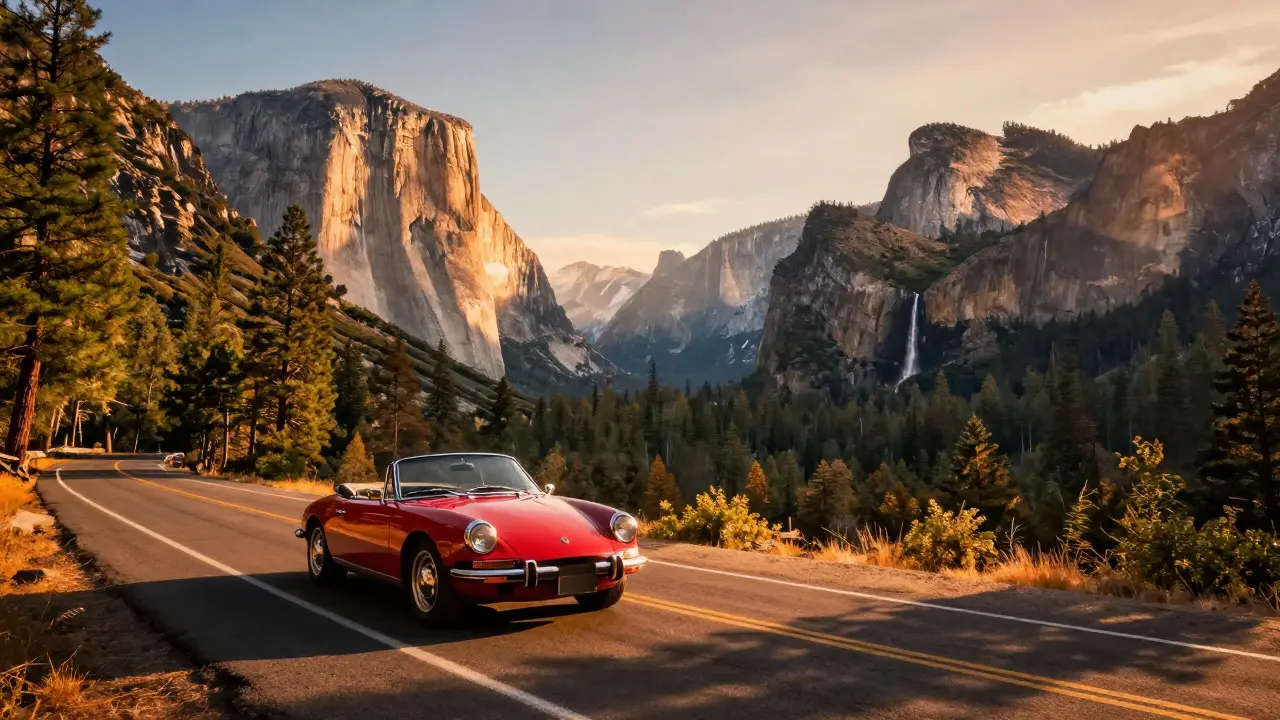
There is a specific kind of magic that happens when you hit the open highway with nothing but a map and a full tank of gas. You are not just driving from point A to point B; you are chasing horizons, chasing sunsets, and chasing those raw, untouched landscapes that only exist in America’s national parks. But let’s be real for a second-planning a National Parks road trip can feel overwhelming. The sheer size of these protected areas, the varying weather conditions, and the logistics of getting your vehicle into remote wilderness zones require more than just enthusiasm. They require strategy.
If you are looking to explore the crown jewels of the American landscape by car in 2026, you need a plan that balances iconic scenery with practical survival skills. This guide cuts through the noise to help you pick the right route, prepare your vehicle, and navigate the quirks of park access without losing your mind.
Choosing Your Route: The Big Four vs. Hidden Gems
The first decision you face is scope. Do you want the classic postcard views, or do you want solitude? Most travelers start with the "Big Four" in the West: Grand Canyon, a massive river-carved gorge in Arizona known for its immense scale and layered red rock walls, Yosemite, California's granite-heavy park famous for El Capitan and waterfalls, Yellowstone, the world's first national park, renowned for geothermal features like Old Faithful, and Zion, a Utah canyonland destination featuring narrow slot canyons and towering sandstone cliffs. These parks offer incredible infrastructure, but they also mean crowds. If you visit Zion in July, expect traffic jams at the shuttle stops.
For a different vibe, consider the Southeast or Northeast corridors. Great Smoky Mountains, a biodiverse forest region on the Tennessee-North Carolina border known for mist-covered peaks and historic cabins offers lush greenery and free entry, though bear safety is a constant concern. Meanwhile, Acadia National Park, located in Maine, featuring rugged Atlantic coastlines, rocky shores, and carriage roads perfect for cycling provides a cooler climate and stunning ocean views, ideal for summer escapes if you prefer salt air over desert dust.
| Park Name | Best Season | Key Feature | Crowd Level (Peak) | Entry Cost (Vehicle) |
|---|---|---|---|---|
| Grand Canyon | Spring/Fall | South Rim Views | Very High | $35 |
| Yosemite | Summer/Winter | Waterfalls & Granite | High | $35 |
| Yellowstone | Summer | Geysers & Wildlife | High | $35 |
| Great Smoky Mountains | Fall/Spring | Biodiversity & History | Moderate | Free |
| Acadia | Summer | Coastal Scenery | Moderate | $35 |
Vehicle Preparation: Beyond the Oil Change
Your car is your shelter, your kitchen, and your lifeline. Before you leave home, treat your vehicle like an expedition rig. Standard maintenance isn't enough. Check your tire pressure daily, especially as elevation changes. Mountain roads in places like Rocky Mountain National Park can drop temperatures rapidly, affecting tire performance. Carry a spare tire that actually works-not the donut you haven't touched since 2019-and know how to change it on uneven ground.
Consider the terrain. Are you sticking to paved highways like the Blue Ridge Parkway, or are you venturing onto gravel fire roads in Olympic National Park, a Washington state park encompassing rainforests, glaciers, and coastline? If the latter, ensure your undercarriage is protected. Rust is the enemy of long-term road trippers. Inspect your brakes before steep descents; engine braking saves your pads and prevents overheating on passes like Trail Ridge Road.
- Fluids: Top off coolant, brake fluid, and transmission fluid. Desert heat boils radiators; mountain cold thickens oil.
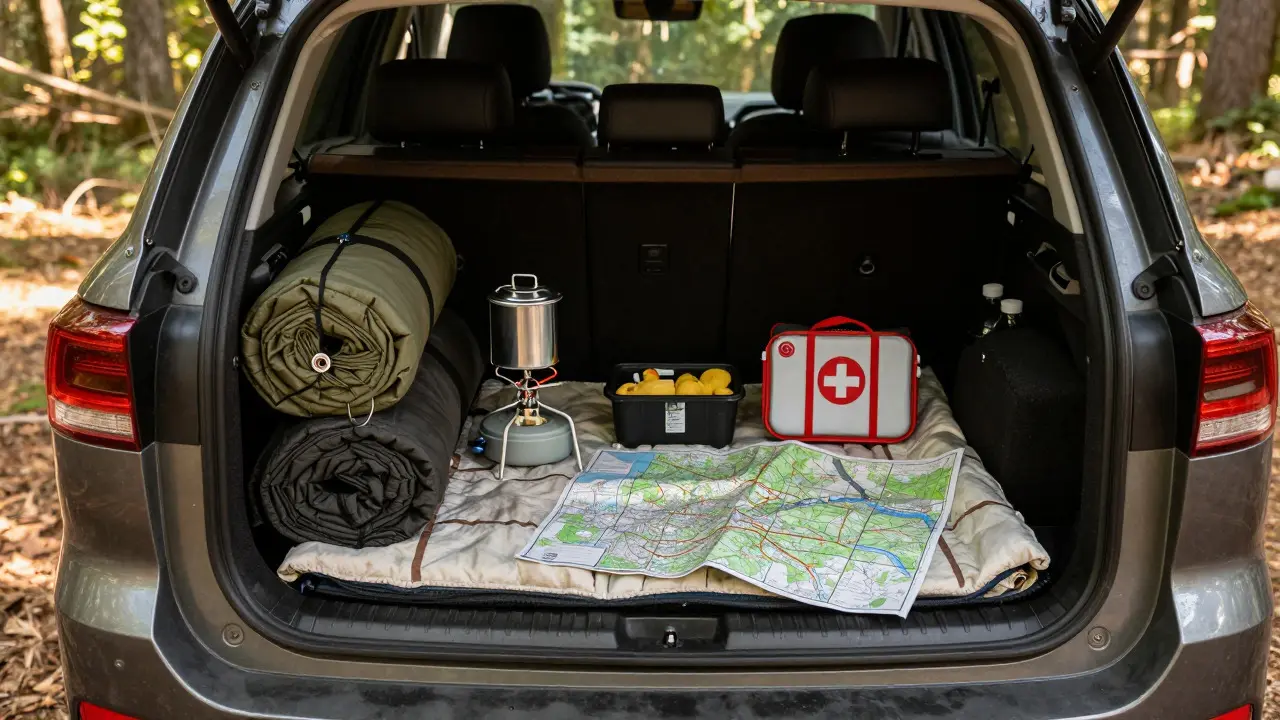
- Emergency Kit: Include jumper cables, a first-aid kit, blankets, water, and non-perishable food. Cell service is nonexistent in many park interiors.
- Navigation: Download offline maps. GPS apps fail without data. Physical topographic maps are still king in the backcountry.
- Power: Bring a portable power bank for your phone and camera. Cold drains batteries faster than you think.
Scenic Byways: The Journey Is the Destination
You can drive straight to the visitor center, or you can take the scenic route. The United States has designated hundreds of All-American Roads, highly scenic routes recognized for their outstanding natural, cultural, and historical resources. These roads often bypass the main interstates, offering slower speeds and better views. For example, the Going-to-the-Sun Road, a 50-mile engineering marvel in Glacier National Park crossing the continental divide in Montana is not just a way in; it is the main attraction. It climbs from lake level to nearly 10,000 feet, passing waterfalls, alpine meadows, and wildlife corridors.
In the Southwest, the Trail of Time, a scenic loop in Grand Canyon-Parashant National Monument showcasing geological history offers a quieter alternative to the crowded South Rim. Driving these routes requires patience. Pull over frequently. Let other drivers pass. The goal is immersion, not speed. Remember that some of these roads are single-lane with narrow pullouts. Plan your stops during daylight hours to avoid navigating blind curves in the dark.
Logistics: Reservations, Permits, and Timing
Gone are the days when showing up was enough. Many popular parks now require timed entry reservations. Rocky Mountain National Park, Colorado's alpine park requiring advance reservations for daytime entry during peak season implemented this system to combat severe congestion. Book these slots months in advance. Similarly, camping inside parks like Yosemite or Sequoia fills up instantly. If you miss out, look at surrounding Dispersed Camping, free, unregulated camping on public lands managed by the Forest Service or BLM areas on adjacent National Forest land. It requires a bit more effort-finding a spot, packing out trash-but it offers freedom and cost savings.
Timing is everything. Shoulder seasons (spring and fall) offer milder weather and fewer crowds, but some high-elevation roads may still be closed due to snow. Summer guarantees access but brings heat and hordes. Winter opens up a magical, quiet side to parks like Yellowstone, where snowcoaches replace cars, but you must be prepared for extreme cold and limited services.
Safety and Stewardship: Leave No Trace
National parks are wild places. Respect that. Wildlife encounters are thrilling but dangerous. Keep your distance. Never feed animals. Bears, elk, and moose can be unpredictable. Store food in bear-proof containers or lock it in your car. In Yosemite, bears have learned to rip doors off vehicles. Don’t be the person who loses their snacks-or their car door.
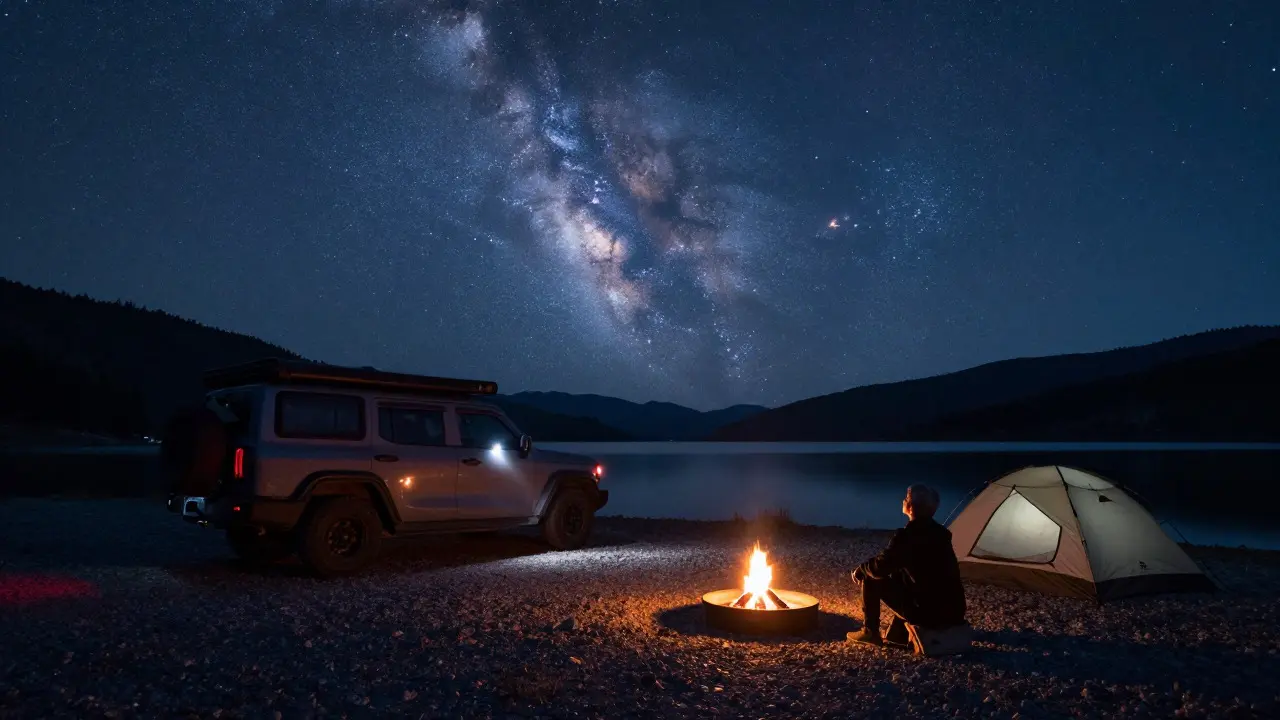
Follow the Leave No Trace, a set of ethical guidelines for enjoying outdoor spaces while minimizing environmental impact principles. Pack out what you pack in. Stay on designated trails to protect fragile vegetation. Use established fire rings if fires are permitted. Water sources are precious; filter your own rather than relying on taps that may be scarce. Your responsibility extends beyond your own safety to the preservation of these ecosystems for future generations.
Essential Gear for the Car Camper
If you plan to sleep in your vehicle, comfort matters. Invest in a quality sleeping bag rated for lower temperatures than you expect. Nights in the desert can drop below freezing even if days are hot. A cot or inflatable mattress adds insulation from the cold ground. Cookware should be lightweight and easy to clean. A camp stove is essential since open fires are often banned. Finally, bring headlamps with red-light modes to preserve night vision and avoid disturbing wildlife.
Do I need a 4x4 vehicle for a National Parks road trip?
Not necessarily. Most major attractions and developed campgrounds in National Parks are accessible via standard two-wheel-drive vehicles. However, if you plan to explore backcountry roads, dispersed camping sites, or travel during winter months, a 4x4 or AWD vehicle provides significant advantages in traction and safety. Always check current road conditions before heading out.
What is the best time of year to visit Western National Parks?
The best times are typically May-June and September-October. These shoulder seasons offer pleasant temperatures and fewer crowds compared to the peak summer months of July and August. High-elevation parks like Rocky Mountain or Glacier may still have snow in early spring, so late spring to early fall is safer for accessibility.
How much does it cost to enter National Parks?
Most parks charge $35 per vehicle for a 7-day pass. If you plan to visit multiple parks within 12 months, consider the America the Beautiful Annual Pass for $80, which covers entrance fees for all federal recreational lands, including National Parks, National Forests, and BLM lands.
Can I camp anywhere in a National Park?
No. Within National Park boundaries, you must stay in designated campsites or backcountry zones with a permit. Dispersed camping is generally prohibited inside National Parks but is allowed on adjacent National Forest or Bureau of Land Management (BLM) lands. Always verify local regulations before setting up camp.
Is cell phone service reliable in National Parks?
Service is highly variable and often nonexistent in remote areas. Do not rely on your phone for navigation or emergency communication. Download offline maps beforehand and carry a physical map and compass. Consider renting a satellite messenger for emergencies if traveling deep into the backcountry.
Comments
Tamara Miller
You really think people need a guide for this? It is not rocket science, you know. Just drive there. The problem is that everyone thinks they are special and needs to 'optimize' their experience instead of just enjoying the silence. You write all this fluff about 'strategy' as if visiting a park is a corporate merger. It makes me tired just reading it. Why can't we just let nature be nature without turning it into a checklist?
And don't get me started on the reservation system. It is bureaucratic nonsense designed to control us. We used to just show up. Now we are treated like cattle being herded into slots. It is pathetic.
August 10, 2026 at 00:55
Savara Gunn
I actually found the section on vehicle prep really helpful. I always forget to check my tire pressure before long trips. Thanks for the reminder.
August 11, 2026 at 00:56
Anthony Miller
Your advice on tire pressure is adequate but lacks depth. Most amateurs ignore the undercarriage rust issue entirely which is a fatal error in high humidity zones. You should have emphasized galvanization more. Also your point about engine braking is correct but you failed to mention transmission fluid viscosity changes at altitude which is critical for diesel engines. Fix your ignorance next time.
August 11, 2026 at 11:22
Onyinyechi Nwosu
the part about offline maps made me smile. i always rely on google maps until i hit a dead zone in the mountains. panic sets in fast. good tip though
August 12, 2026 at 03:52
Chandan Singh
Let's clarify a few things here because this article is riddled with generalizations. First, the 'Big Four' are not just popular; they are ecologically distinct biomes that require different acclimatization strategies. Grand Canyon is high desert, Yosemite is alpine granite, Yellowstone is geothermal volcanic, and Zion is slot canyon sandstone. Treating them as interchangeable 'postcard views' shows a lack of geological literacy.
Furthermore, the claim that Great Smoky Mountains has 'moderate' crowds is laughable during autumn foliage season. Traffic jams last hours. And Acadia? In peak summer, parking at Cadillac Summit is a nightmare. This guide oversimplifies logistics to make itself palatable to casual tourists who will inevitably clog the trails. If you want solitude, go to North Cascades or Isle Royale, not the places listed here.
August 12, 2026 at 05:44
Brannen Hall
Boring. Everyone writes these same generic guides. 'Check your tires.' 'Bring water.' Who doesn't know this? I went to Yellowstone last year and didn't see a single geyser because the traffic was so bad. Maybe suggest taking a bus instead of driving? Oh wait, that ruins the 'road trip' fantasy. Typical clickbait content for people who have never actually been anywhere interesting.
August 12, 2026 at 06:45
tiffany King
This is such a wonderful resource! I am planning a trip to Zion next spring and the tips about the shuttle stops were exactly what I needed to hear. It feels overwhelming but knowing what to expect helps so much. Thank you for putting this together!
August 13, 2026 at 12:30
Brenna Gonedrman
Omg yes!! The bear thing is SO real. My friend lost his entire door handle in Yosemite because he left granola bars on the seat. It was a disaster. You have to lock everything up tight. Also the cold at night is no joke. Bring a warm jacket even if it is July. Trust me on this one. It gets chilly fast.
August 14, 2026 at 08:44
Courtney Wagstaff
I love the idea of chasing horizons. There is something so freeing about the open road. I once drove from Maine to Florida and stopped at every quirky roadside attraction. The best memories aren't always the parks themselves but the weird diners and foggy mornings along the way. Keep exploring friends!
August 14, 2026 at 09:23
Elisabeth Ballet
Great points on dispersed camping! It really opens up options when the main parks are booked solid. Just remember to pack out ALL your trash. Let's keep these wild spaces pristine for everyone. Who else is team dispersed camping?
August 15, 2026 at 13:24
Joanna Mucha
The commodification of wilderness is a tragedy we must confront. We turn sacred landscapes into Instagram backdrops, reducing profound spiritual experiences to mere 'content'. The reservation system is not bureaucracy; it is a desperate attempt to mitigate the ecological damage caused by our collective narcissism. We drive our metal beasts into fragile ecosystems, polluting the air and scaring the wildlife, all for the sake of a selfie. Perhaps we should ask ourselves: do we truly need to visit these places, or do we just need to feel like we belong to them? The silence of the forest is broken by the roar of our egos. Consider staying home. Meditate. Connect with nature through introspection rather than intrusion.
August 17, 2026 at 03:22
Kim Edwards
Okay but have you EVER tried to get a permit for Rocky Mountain? It is literally impossible. I refreshed the page for three hours straight and still got nothing. It is a scam. They sell the permits to scalpers. I am done. Never going back. Ruined my whole summer plans because of some glitchy website. Worst experience ever.
August 18, 2026 at 21:12
Bonnie Watt
Ugh another article telling us how to behave. We know not to feed the bears. Do we really need a lecture on 'stewardship'? It sounds like kindergarten rules. I went to Glacier National Park and saw more trash on the side of the road than actual glaciers. The parks are dying because of climate change not because some tourist dropped a candy wrapper. Stop blaming individuals and start fixing the real issues. This guide is just noise.
August 19, 2026 at 09:02
Meagan Mueller
they want you to think you are free to roam but its all controlled. the gps tracking in your phone sends data to big brother. the reservation systems are just databases building profiles on your movements. why do you think they need your license plate number for entry? they are mapping your habits. stay off the grid use paper maps burn the phones. the parks are surveillance states now. wake up sheeple
August 21, 2026 at 08:35
Dave Gibbeson
Listen up folks. If you are serious about this trip you need to listen to me. I have driven every major scenic byway in the US. Here is the deal. Get a quality emergency kit. Not the cheap stuff. Get real jumper cables. Get a first aid kit that is actually stocked. And download those maps. Do it now. Don't wait until you are stranded in the middle of nowhere with no signal. I helped a guy last week whose battery died because he left his lights on. He had no cables. Embarrassing. Prepare properly or stay home. That is my advice. Take it or leave it.
August 22, 2026 at 00:39