
You’ve probably seen the ads: "Drive less, save more." It sounds too good to be true. Why would your insurance company care if you only drive ten miles a day? The answer lies in Usage-Based Insurance (UBI), a model that shifts risk assessment from static demographics to real-time behavior. Instead of guessing your risk based on your age or zip code, insurers use data from your actual driving habits to set your premium. This isn't just a marketing gimmick; it’s a fundamental shift in how auto insurance works, driven by technology known as Telematics.
What Is Usage-Based Insurance?
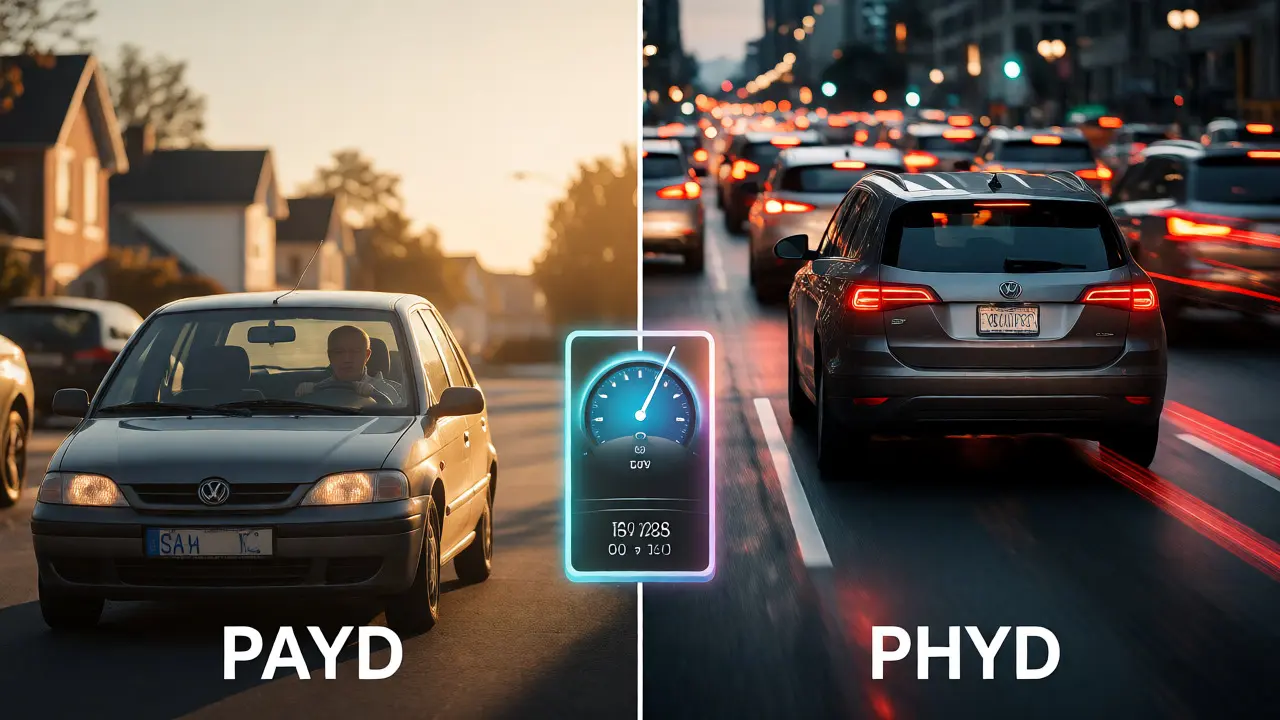
Traditional auto insurance relies on actuarial tables. If you are a 16-year-old male, you pay more because statistics say you crash more often. If you live in a high-crime area, you pay more. But what if you’re a cautious driver who rarely leaves the garage? Traditional models don’t see that nuance. UBI does. It is a type of policy where premiums are determined by how much and how well you drive. There are two main flavors: Pay-How-You-Drive (PHYD) and Pay-As-You-Drive (PAYD).
PHYD focuses on behavior. Did you brake hard? Did you speed? Did you drive late at night when accidents are more common? PAYD focuses on volume. It’s essentially a mileage-based plan. If you work from home and drive 500 miles a month instead of 1,500, your bill drops. Both rely on collecting data from your vehicle, but they measure different things. Understanding which one fits your lifestyle is the first step to saving money.
The Tech Behind the Scenes: Telematics Devices
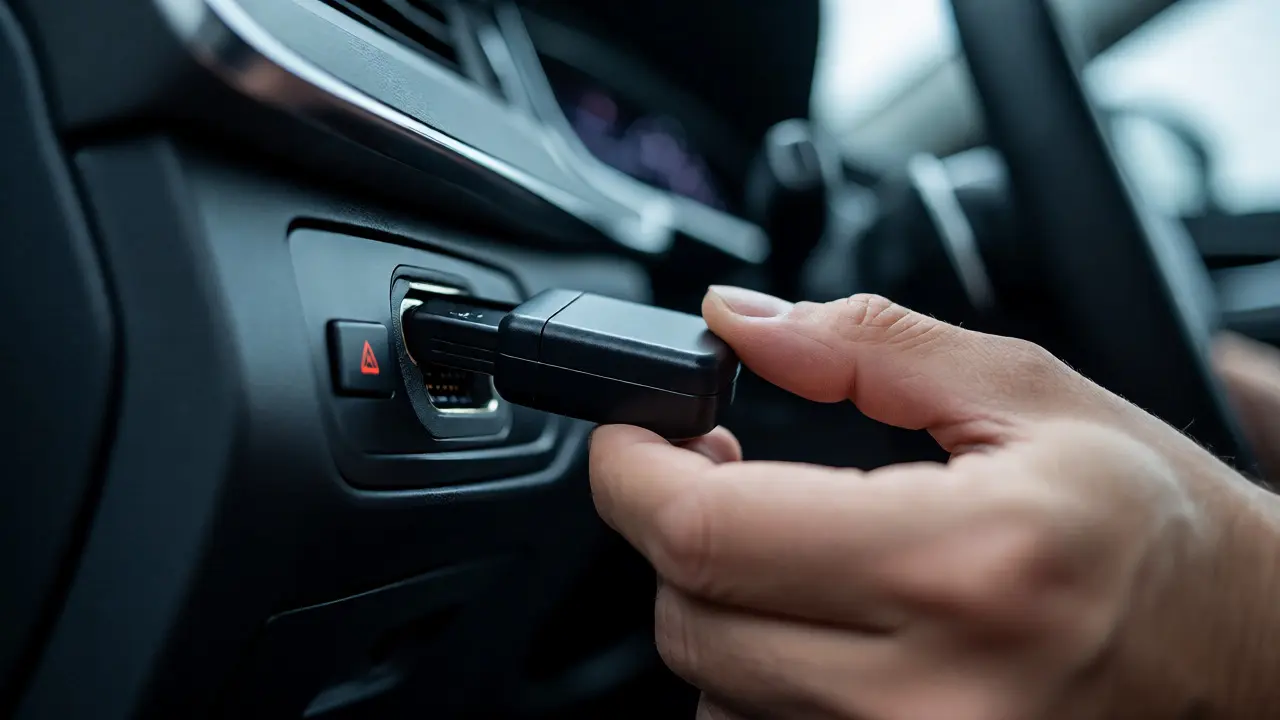
So, how does the insurer know if you’re speeding? They don’t follow you around. They use Telematics. This term refers to the integration of telecommunications and informatics within vehicles. In the context of insurance, it usually means one of three hardware options:
- OBD-II Plug-in: A small dongle you plug into your car’s diagnostic port (usually under the dashboard). It draws power from the car and sends data via cellular network. It’s accurate but requires installation.
- Mobile App: You download an app on your phone. It uses GPS and accelerometer sensors to track location and movement. It’s convenient but can drain battery and may not capture engine-specific data like RPMs.
- Built-in Vehicle Systems: Newer cars from manufacturers like Tesla, GM, or Ford have embedded telematics modules. These send data directly to the manufacturer, who may share it with insurers. This is the most seamless option but raises privacy questions about data ownership.
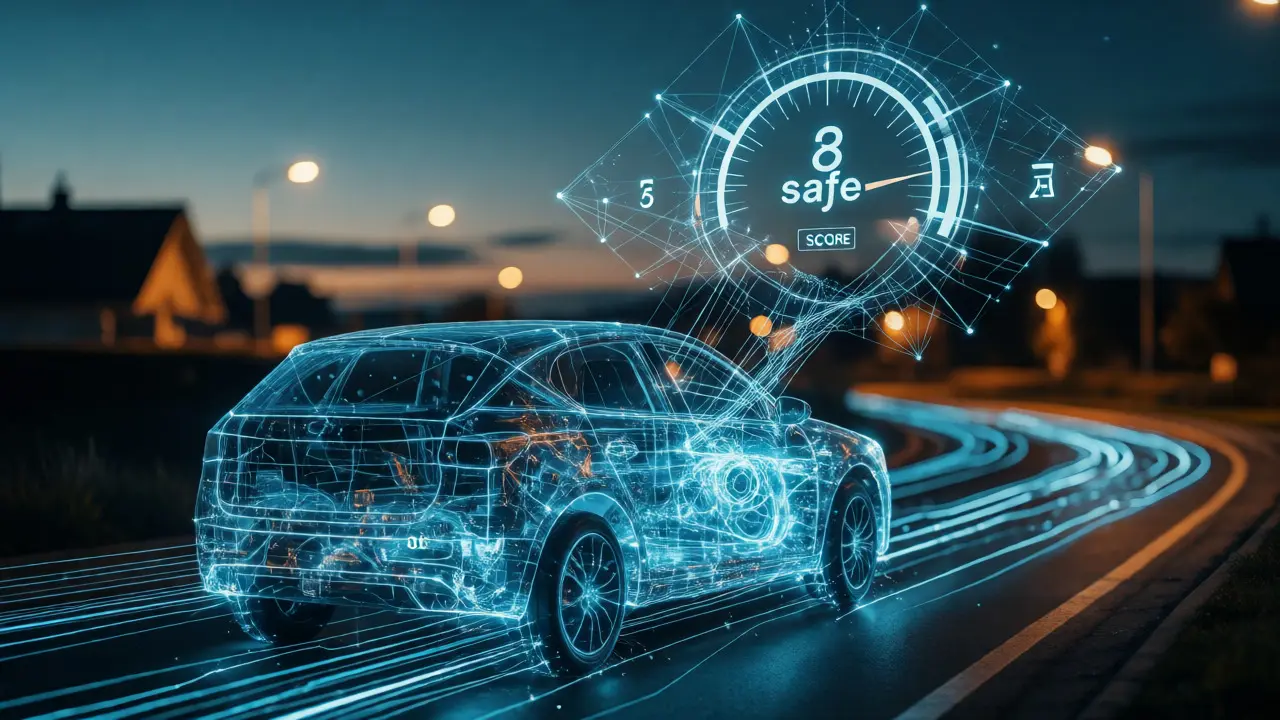
The device collects specific metrics: acceleration patterns, braking force, cornering speed, time of day, and total distance. This raw data gets processed into a "driving score." Think of it like a credit score for your driving. A higher score means lower premiums.
PHYD vs. PAYD: Which Model Fits You?
Not all UBI programs are created equal. Choosing the wrong one could mean paying more than you would under a traditional policy. Let’s break down the differences so you can decide which path aligns with your life.
| Feature | Pay-How-You-Drive (PHYD) | Pay-As-You-Drive (PAYD) |
|---|---|---|
| Primary Metric | Driving behavior (speed, braking, time) | Mileage (total distance driven) |
| Best For | Safe drivers who commute regularly | Low-mileage drivers (retirees, remote workers) |
| Risk Factor | Potential penalties for bad habits | Cost spikes during long road trips |
| Data Source | Accelerometer, GPS, Engine Data | GPS, Odometer readings |
| Savings Potential | 10-30% discount for safe driving | Up to 50% savings for very low usage |
If you’re a daily commuter stuck in traffic, PHYD might help you prove you’re safer than the average teenager. If you’re a retiree who drives to the grocery store twice a week, PAYD is almost always cheaper. Some insurers offer hybrid models, combining both elements. Check your policy details carefully before signing up.
Real Savings and Hidden Costs
Let’s talk numbers. According to industry reports, safe drivers using PHYD programs can save between 10% and 30% on their annual premiums. Low-mileage drivers using PAYD can see reductions of up to 50%. But these aren’t guaranteed. Here’s where people get tripped up:
First, there’s the "trial period" trap. Many insurers offer a free trial to collect baseline data. During this time, you pay your standard rate. After the trial, your rate adjusts. If your data shows risky behavior-like frequent hard braking-you might actually pay more than before. Some policies cap the increase, but not all do.
Second, consider the hassle factor. If you switch cars frequently, remember that OBD-II devices need to be moved. If you forget to transfer the device, you lose coverage for the new car or face billing errors. Mobile apps require you to keep your phone charged and Bluetooth enabled. Forget your phone at home? Your driving doesn’t count, and you might miss out on credits.
Third, privacy concerns are real. Insurers argue that data helps them price fairly. Critics worry about surveillance. Does your insurer know exactly where you go? Most state laws protect consumer data, but terms of service vary. Read the fine print on data retention. Do they sell your data to third parties? Can you delete your history if you cancel the policy?
Who Should Avoid Telematics Programs?
While UBI sounds appealing, it’s not for everyone. If you fall into these categories, stick with traditional insurance:
- High-Risk Drivers: If you have recent tickets or accidents, some insurers won’t let you join UBI programs, or they’ll charge a surcharge that negates any savings.
- Fleet Owners: Managing dozens of devices across multiple vehicles adds administrative overhead that outweighs individual savings.
- Privacy Purists: If you dislike the idea of a corporation tracking your every move, the psychological cost might outweigh the financial benefit.
- Inconsistent Drivers: If your driving habits fluctuate wildly-say, you’re careful in January but reckless in July due to stress-a fixed premium might be more predictable.
Also, check if your current provider offers a better alternative. Sometimes, bundling home and auto insurance yields bigger discounts than switching to UBI. Run the math both ways.
Future Trends: AI and Predictive Analytics
We’re just scratching the surface. As artificial intelligence improves, telematics will get smarter. Current systems look at past events. Future systems will predict future risks. Imagine an algorithm that notices you always accelerate aggressively when running late for work. It might suggest leaving five minutes earlier to save money. Or, it could detect mechanical issues through engine data, warning you before a breakdown occurs.
Integration with smart cities is another frontier. Vehicles might communicate with traffic lights to optimize routes, reducing wear and tear. Insurers could partner with municipal governments to reward eco-friendly driving patterns. The goal isn’t just cheaper insurance; it’s safer roads and lower emissions. By 2030, experts predict that over half of all personal auto policies in the US will involve some form of telematics data collection.
Practical Tips for Maximizing Discounts
If you decide to join a program, here’s how to make sure you win:
- Install Correctly: Ensure the OBD-II device is firmly seated. Loose connections cause data gaps.
- Check Compatibility: Not all cars support all devices. Verify your vehicle’s year and make with the insurer’s list.
- Monitor Your Score: Most apps provide weekly feedback. Use it to adjust habits. Notice you brake hard after red lights? Ease off sooner.
- Report Issues Fast: If the device stops transmitting, contact support immediately. Gaps in data can lead to incorrect billing.
- Compare Annually: Don’t stay locked in. Rates change. Compare your UBI quote against traditional quotes every renewal cycle.
Remember, the goal is alignment. Choose a program that matches your actual life, not an idealized version of it. If you drive 15,000 miles a year, PAYD won’t help. If you’re a new driver with no history, PHYD gives you a chance to build a positive record quickly.
Does telematics data affect my credit score?
No, telematics data does not directly impact your credit score. However, insurers may use credit-based insurance scores alongside driving data to determine rates. Poor payment history affects credit, while poor driving affects insurance premiums. They are separate systems, though both influence your overall financial profile.
Can I opt out of a telematics program mid-term?
Yes, most insurers allow you to opt out, but consequences vary. Some revert you to the base rate immediately, potentially causing a spike in premiums. Others may apply a penalty fee. Always check the cancellation clause in your policy documents before opting out to understand the financial impact.
Is my driving data private?
Data privacy laws vary by state. Generally, insurers must disclose how they collect, use, and share data. While many promise not to sell data to third parties, internal sharing with affiliates is common. Review the privacy policy specifically for telematics data handling. You can often request a copy of your data file.
What happens if I install the device incorrectly?
If the device is loose or plugged into the wrong port, it may fail to transmit data or report inaccurate mileage. This can result in missed discounts or incorrect billing. Most apps provide status indicators. If the light is off or the app shows no activity, reseat the device or contact support. Persistent issues may require a replacement unit.
Do electric vehicles qualify for special telematics benefits?
Some insurers offer additional discounts for EV owners using telematics. Because EVs have regenerative braking and distinct acceleration profiles, algorithms are tuned to recognize efficient driving patterns unique to electric motors. This can sometimes yield higher savings percentages compared to internal combustion engine vehicles.