
Buying a used car is a pre-owned vehicle purchased from a private seller or dealer, often requiring thorough inspection to avoid hidden mechanical issues without a proper inspection is like walking into a dark room hoping you won’t trip over furniture. You might get lucky, but the odds are stacked against you. The difference between a reliable daily driver and a money pit usually comes down to what you check before handing over your cash. This guide gives you a practical, no-nonsense approach to inspecting the three biggest cost centers in any vehicle: the engine, the transmission, and the supporting systems.
Why Most Buyers Skip the Critical Checks
We’ve all been there. You see a clean interior, the paint shines, and the price looks too good to pass up. It’s easy to let emotion drive the decision. But here’s the reality: cosmetic condition tells you nothing about mechanical health. A car can look brand new while hiding a failing head gasket or a transmission on its last legs. According to data from the UK’s Driver and Vehicle Standards Agency (DVSA), nearly one in five vehicles fails their MOT test due to serious safety defects, many of which are mechanical in nature. In the US, the National Highway Traffic Safety Administration reports that brake and steering failures remain among the top causes of crashes involving older vehicles. These aren’t just statistics-they’re warnings. Your job as a buyer is to be the detective who spots the clues before they become expensive repairs.
Engine Inspection: The Heart of the Matter
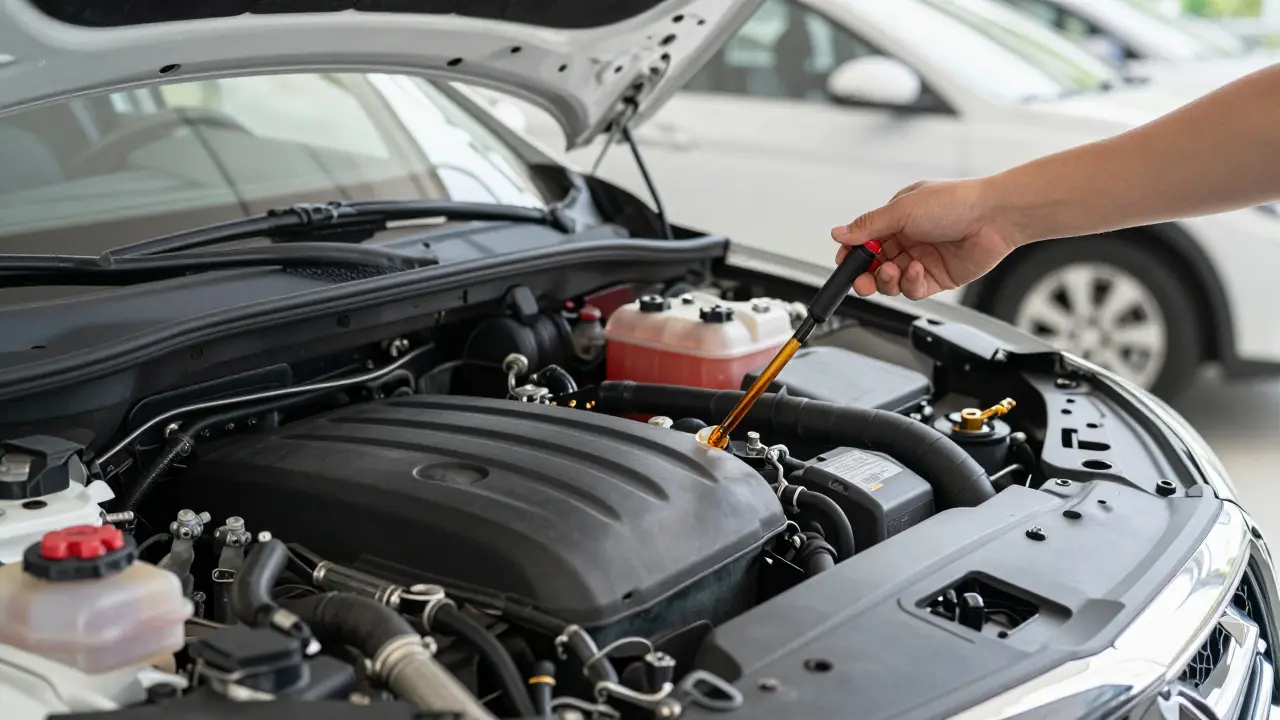
The engine is where most major problems hide, and it’s also where most major costs come from. You don’t need to be a mechanic to spot red flags, but you do need to know what to look for. Start with the basics: open the hood and take a good look. Are there signs of oil leaks around the valve cover or oil pan? Is the coolant reservoir cracked or empty? Check the oil dipstick-oil should be amber or brown, not milky (which indicates coolant mixing) or black and gritty (which suggests neglect). Pull the dipstick out, wipe it clean, reinsert it, and pull it again to get an accurate reading. Low oil levels or contaminated oil are immediate warning signs.
Next, start the engine when it’s cold. Listen for unusual noises: ticking could mean worn lifters, knocking might indicate bearing damage, and whining could point to a failing water pump or alternator. Watch the exhaust smoke. Blue smoke means burning oil, white smoke suggests coolant entering the combustion chamber, and black smoke points to a rich fuel mixture. None of these are normal. Let the engine warm up for five minutes, then check for vibrations or rough idling. A smooth-running engine should feel steady, not shudder or hesitate.
Don’t forget to check the belts and hoses. Look for cracks, fraying, or glazing on the serpentine belt. Squeeze the radiator hoses-they should be firm, not soft or spongy, which could indicate internal corrosion or air pockets. Finally, ask to see the service records. Regular oil changes, timing belt replacements, and coolant flushes are signs of a well-maintained engine. Missing records don’t automatically disqualify a car, but they do raise the stakes for your inspection.
| Check Point | What to Look For | Red Flag |
|---|---|---|
| Oil Level & Condition | Ambert or brown color, correct level | Milky, black, or low oil |
| Coolant Reservoir | Full, clear fluid, no cracks | Empty, cracked, or oily residue |
| Exhaust Smoke | Minimal or no smoke after warm-up | Blue, white, or thick black smoke |
| Belts & Hoses | No cracks, firm hoses | Frayed belts, soft/spongy hoses |
| Service Records | Regular maintenance history | Missing or inconsistent records |
Transmission Check: Smooth Shifts or Slippery Slopes?
The transmission is the second most expensive component to repair, and it’s often overlooked because it doesn’t have visible warning signs until it’s too late. Whether the car has an automatic or manual transmission, the goal is the same: ensure power transfers smoothly from the engine to the wheels. For automatic transmissions, start by checking the fluid level and condition. With the engine running and the car in Park, pull the dipstick (if equipped). Fluid should be bright red and smell slightly sweet. Dark brown or black fluid, or a burnt smell, indicates overheating or wear. Some modern cars have sealed transmissions with no dipstick-in those cases, rely on the test drive and service records.
During the test drive, pay attention to how the car shifts. Automatic transmissions should change gears smoothly, without jerking, slipping, or hesitation. If you feel a “shudder” when accelerating or notice the RPMs spike without a corresponding increase in speed, the transmission may be struggling. Manual transmissions require a different approach. Press the clutch pedal-it should engage smoothly, not feel spongy or grabby. Shift through all gears, including reverse. Each shift should be crisp, without grinding or resistance. Listen for whining or buzzing noises, which could indicate worn synchronizers or bearings.
One critical tip: never skip the cold-start test for automatics. Cold transmission fluid is thicker, and problems that are hidden when warm often reveal themselves at startup. If the car hesitates to engage Drive or Reverse, or if the first few shifts are rough, walk away. Transmission repairs can easily exceed £1,500 in the UK or $3,000 in the US, making this one of the most important checks you’ll perform.

Brakes, Suspension, and Steering: Safety First
You can forgive a noisy engine or a sluggish transmission, but you cannot compromise on safety systems. Brakes, suspension, and steering are non-negotiable. Start with the brakes. During the test drive, apply gentle pressure at various speeds. The pedal should feel firm, not spongy or soft. If the car pulls to one side during braking, the calipers or pads may be unevenly worn. Listen for squealing or grinding noises, which indicate worn brake pads or rotors. After stopping, check for excessive vibration in the steering wheel or pedal, which could mean warped rotors.
Next, evaluate the suspension. Drive over speed bumps, potholes, or uneven roads. The car should absorb impacts smoothly, without excessive bouncing or clunking noises. Clunks suggest worn bushings, ball joints, or shock absorbers. Inspect the tires for even wear. Uneven tread wear can point to alignment issues, worn suspension components, or improper inflation. Check the tire age-look for the DOT code on the sidewall. Tires older than six years should be replaced, regardless of tread depth, as rubber degrades over time.
Steering should be responsive and centered. Turn the wheel left and right while stationary-it should move smoothly without binding or excessive play. While driving, the car should track straight without pulling to one side. If you notice vibration in the steering wheel at highway speeds, the issue could be unbalanced tires, warped rotors, or worn suspension parts. All of these are fixable, but they add to the total cost of ownership.
Electrical Systems and Interior Components
Modern cars are rolling computers, and electrical failures can be just as costly as mechanical ones. Test every light: headlights, taillights, brake lights, turn signals, and hazard lights. Don’t forget the interior lights, dome light, and license plate illumination. Check the dashboard for warning lights that stay on after startup-check engine, ABS, airbag, or traction control lights are serious indicators. Use an OBD-II scanner if possible; even a basic code reader can reveal stored fault codes that the seller might not mention.
Test all electronic features: windows, locks, mirrors, radio, climate control, and infotainment system. Windows should roll up and down smoothly without sticking. Air conditioning should blow cold air within a minute of turning it on. Heating should produce warm air quickly. If the AC only blows warm air, the compressor or refrigerant system may need attention-a repair that can cost hundreds of pounds or dollars.
Inspect the interior for signs of water damage. Check under the carpets for dampness or mold, especially in the footwells. Water intrusion can corrode wiring harnesses and cause electrical gremlins that are difficult to diagnose. Smell for musty odors, which often indicate past flooding or chronic leaks. Finally, verify that the odometer matches the mileage on service records and registration documents. Mileage tampering is illegal but still occurs, so cross-reference multiple sources.
When to Walk Away: Red Flags That Can’t Be Ignored
Not every flaw is a dealbreaker, but some issues are so severe that they warrant walking away immediately. Structural damage is the top priority. Look for mismatched panel gaps, uneven door alignment, or weld marks along the frame rails. These are signs of previous accidents that were poorly repaired. Even if the car looks fine on the surface, compromised structural integrity affects safety and resale value. In the UK, check the HPI report for write-offs; in the US, use Carfax or AutoCheck for accident history.
Rust is another silent killer. Surface rust on body panels is common and manageable, but structural rust in the floor pans, rocker panels, or wheel wells is a major concern. Tap suspected areas with a screwdriver handle-if it sounds hollow or crumbles, the metal is compromised. In regions with harsh winters, rust is a leading cause of premature vehicle failure. Don’t underestimate the long-term cost of fighting rust; it’s a battle you rarely win.
Finally, trust your instincts. If the seller pressures you to decide quickly, refuses a pre-purchase inspection, or provides vague answers about maintenance history, treat it as a warning. Transparency is key in used car transactions. A reputable seller will welcome your questions and allow a professional inspection. If they resist, assume there’s something to hide.
Pre-Purchase Inspection: The Final Safeguard
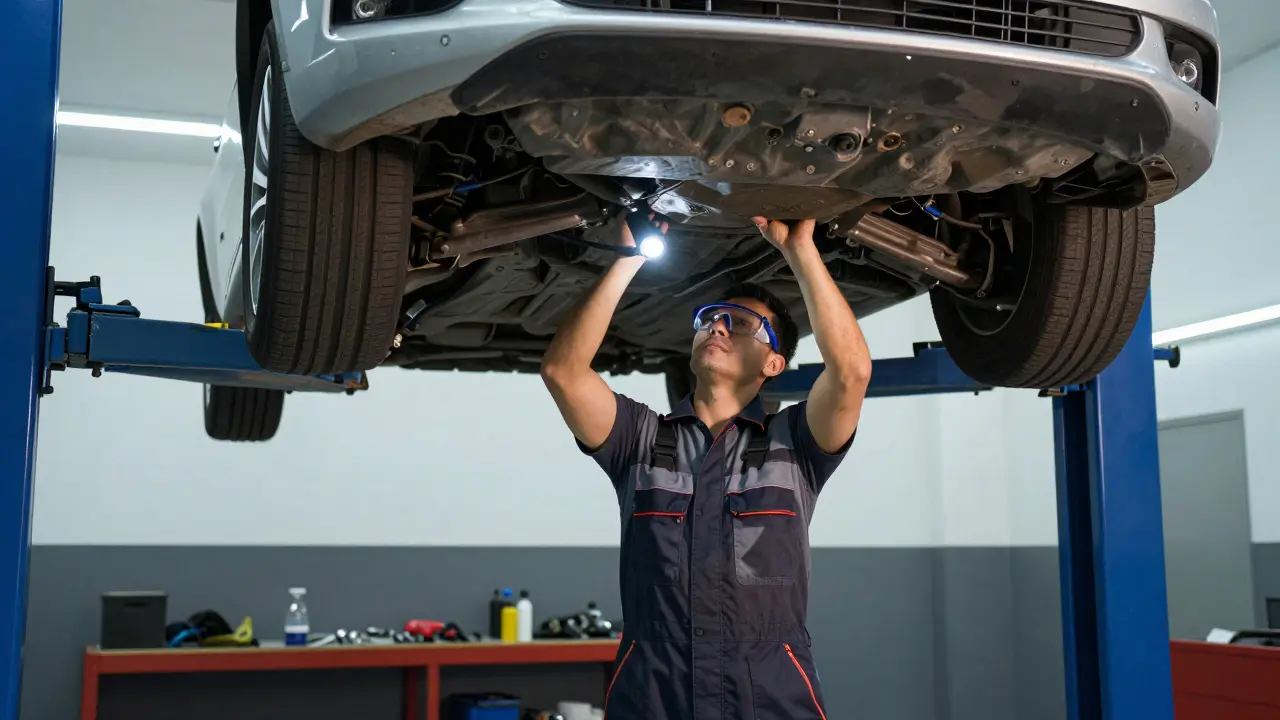
No matter how thorough your personal inspection, always hire a qualified mechanic for a pre-purchase inspection. This isn’t optional-it’s essential. A professional can lift the car, inspect the undercarriage, test compression, scan for hidden codes, and identify issues you might miss. In the UK, organizations like the Institute of Motor Engineers (IME) offer accredited inspections. In the US, AAA and local independent shops provide similar services. Expect to pay £80-£150 or $100-$200 for a comprehensive check. Consider it insurance against a bad purchase.
Bring the inspection report back to the negotiation table. Use identified issues to adjust the offer price or request repairs before buying. Many sellers will agree to minor fixes, such as replacing brake pads or topping off fluids, to close the deal. If the seller refuses, view it as another red flag. Remember, the goal isn’t to find a perfect car-it’s to find a safe, reliable vehicle that fits your budget and needs.
Common Mistakes to Avoid
- Skipping the cold-start engine test
- Ignoring transmission fluid condition
- Failing to check for structural damage or rust
- Overlooking service records and maintenance history
- Neglecting to test all electrical and comfort features
- Buying without a professional pre-purchase inspection
Avoiding these mistakes saves you time, money, and stress. Used car buying is a process, not an impulse. Take your time, ask questions, and don’t be afraid to walk away. The right car will wait for you.
How much does a pre-purchase inspection cost?
A professional pre-purchase inspection typically costs between £80 and £150 in the UK or $100 to $200 in the US. This fee is minor compared to the potential savings from avoiding a faulty vehicle. Many mechanics offer detailed reports that can be used for negotiation.
Can I inspect a used car without mechanical knowledge?
Yes, you can perform basic visual and operational checks using this checklist. However, hiring a qualified mechanic for a pre-purchase inspection is strongly recommended to catch hidden issues that require specialized tools and expertise.
What are the biggest red flags in a used car engine?
Major red flags include milky or black oil, blue or white exhaust smoke, unusual knocking or ticking noises, low oil levels, and missing service records. These signs often indicate serious internal damage or neglect.
How do I check transmission fluid condition?
With the engine running and car in Park, pull the transmission dipstick (if equipped). Fluid should be bright red and smell slightly sweet. Dark, brown, or black fluid with a burnt odor indicates wear or overheating. Some modern cars have sealed transmissions with no dipstick.
Is rust always a dealbreaker?
Surface rust on body panels is common and manageable, but structural rust in floor pans, rocker panels, or wheel wells is a major safety concern. Tap suspected areas-if they sound hollow or crumble, the metal is compromised and the car should be avoided.
Should I buy a used car without service records?
It’s risky. Service records provide proof of regular maintenance, which is crucial for engine and transmission longevity. If records are missing, insist on a thorough pre-purchase inspection and consider negotiating a lower price to account for unknown maintenance history.
What should I listen for during a test drive?
Listen for unusual engine noises (knocking, ticking, whining), transmission slipping or jerking, brake squealing or grinding, suspension clunks over bumps, and steering vibrations. Any abnormal noise warrants further investigation by a mechanic.
How old should tires be before replacement?
Tires should be replaced if they are older than six years, regardless of tread depth. Rubber degrades over time, increasing the risk of blowouts. Check the DOT code on the sidewall for manufacturing date. Also replace tires with uneven wear or visible damage.