
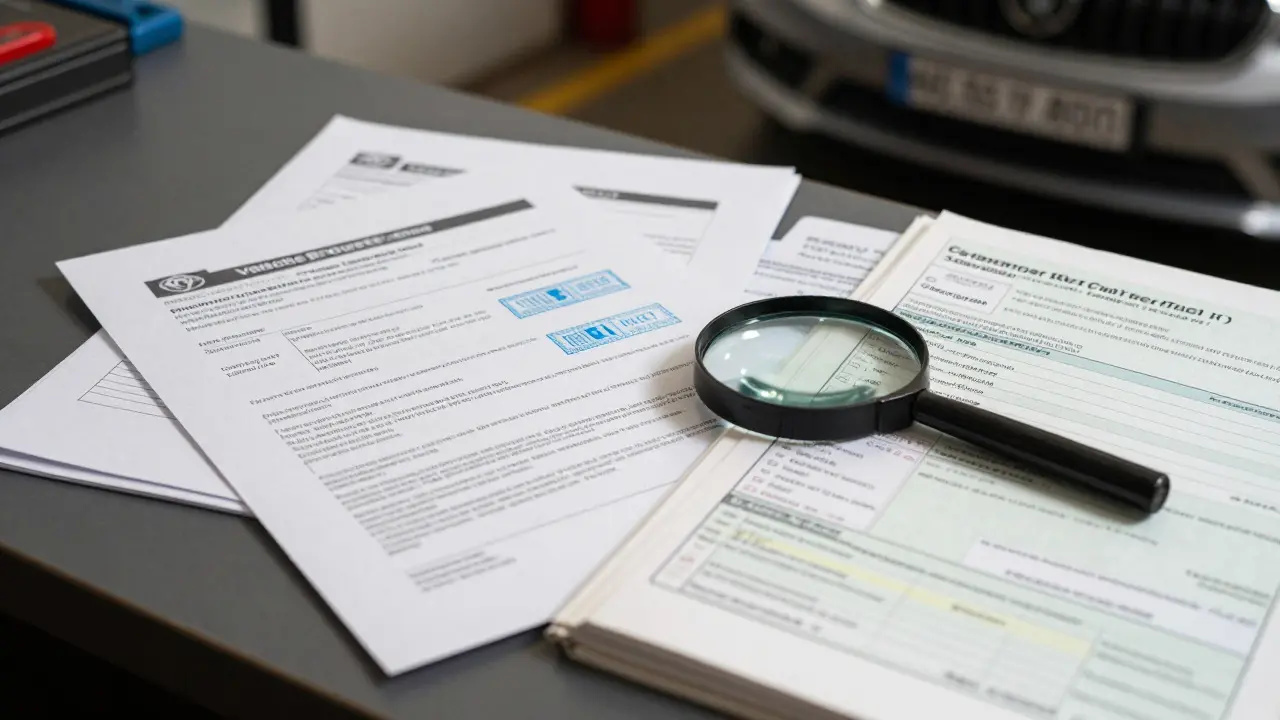
Buying a used car in the UK feels like walking into a maze where every turn hides a potential money pit. You might find a sleek BMW 3 Series on AutoTrader that looks perfect, but without the right paperwork, you’re just guessing about its past. Inspection documentation is the collection of official and private records that verify a vehicle's condition, ownership, and maintenance history. It’s not just red tape; it’s your insurance against buying a lemon.
Most buyers focus on the test drive or the price tag, ignoring the files that tell the real story. A missing MOT certificate can mean hidden structural issues, while absent service logs suggest neglect. This guide breaks down exactly what documents you need, how to read them, and how to keep your own records after the purchase so you don’t face these headaches when you sell later.
Why Paperwork Matters More Than the Test Drive
A test drive shows you how the car drives today, but documentation tells you if it will still be drivable next year. In the UK market, transparency is often left to the seller’s honesty. Unlike new cars with full digital tracking, used vehicles rely on physical and digital trails that can be broken or lost. If a car has been in a serious accident, the repair costs might not show up in the price immediately, but they will appear in the form of misaligned panels or airbag warning lights months later.
Proper record-keeping protects your resale value. When you eventually sell your car, the first thing a serious buyer asks for is the logbook and service history. A car with a complete, stamped service history typically sells for 5-10% more than an identical model with no records. It signals to the buyer that the previous owner cared for the vehicle, reducing their perceived risk.
The Essential Documents Checklist
Before you even offer a deposit, ask the seller for this core set of documents. Missing any of these should raise a red flag or at least warrant a lower offer.
- V5C Logbook (Vehicular Registration Document): This is the proof of keeper status, not necessarily ownership. Check that the name matches the seller’s ID. If it doesn’t match, ask why. Is it a company car? A relative? Ensure there are no outstanding finance marks on the document.
- MOT Certificate: Valid for one year. Look at the date. If it was issued three months ago, great. If it’s expired, the car hasn’t been legally roadworthy recently. Download the last two reports from the DVLA website to check for recurring faults like brake wear or suspension issues.
- Service History: A folder of receipts and stamps from garages. Independent garage stamps are fine, but manufacturer-dealer stamps carry more weight. Look for regular intervals (every 6-12 months). Gaps of 2+ years suggest oil changes were skipped.
- Vehicle History Report: Paid reports from services like HPI or CarVertical. These reveal mileage discrepancies, write-offs, and outstanding finance. Never buy without checking for outstanding finance, as you could lose the car if the seller stops paying the loan.
- Tax Disc (Vehicle Excise Duty): Confirm the car is taxed. An untaxed car means you have to pay the tax immediately or wait for the seller to sort it out. Check the VED status online using the registration number.
How to Read Between the Lines
Documents aren’t just yes/no checks. They contain data points that reveal patterns. For example, look at the service intervals. If a car says it was serviced every 10,000 miles, but the timestamps show six-month gaps, the mileage might have been rolled back. Cross-reference the odometer reading on the MOT certificate with the current dashboard reading. If the MOT says 50,000 miles and the car shows 48,000, something is off.
Check the MOT failure history. A car that failed its MOT twice in a row for the same reason (e.g., front brake pads) suggests the seller ignored warnings. Also, look for “advisory” notes. While advisories don’t fail the car, a list of ten advisories indicates general wear and tear that will cost you money soon. Tyres, lights, and wipers are common advisory items that are cheap to fix but signal a lack of recent care.
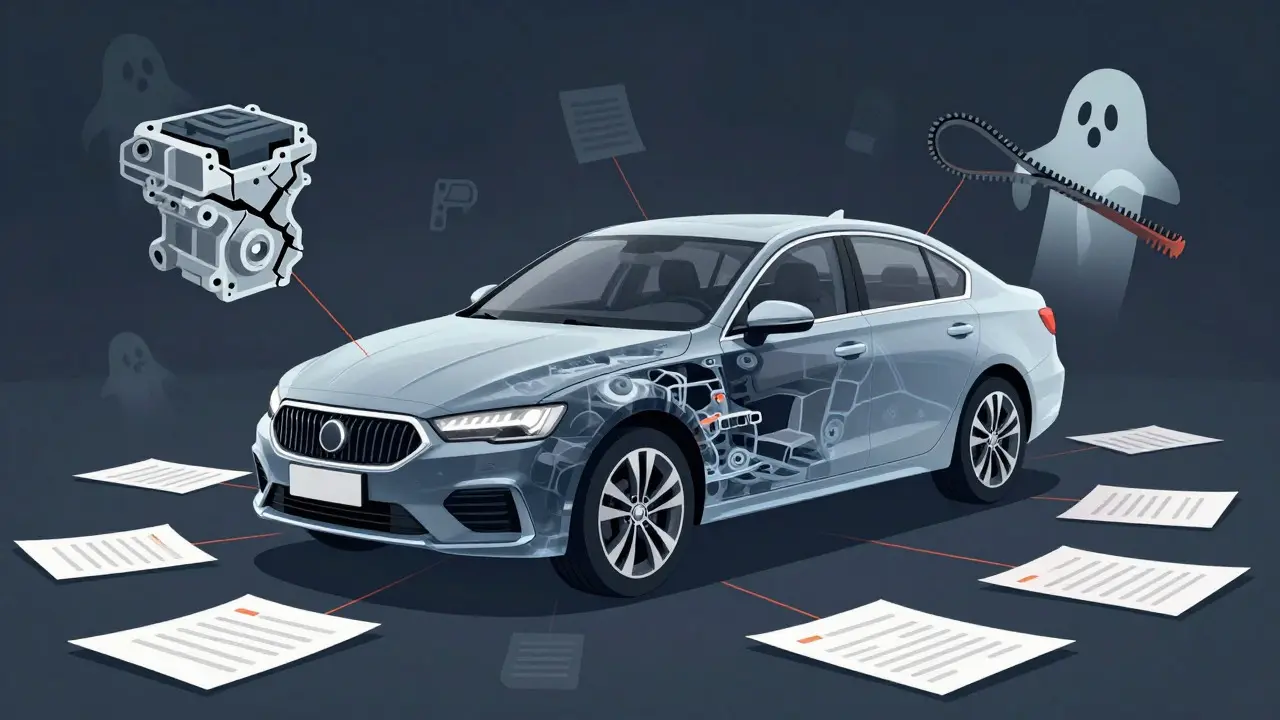
Creating Your Own Record System Post-Purchase
Once you buy the car, your job isn’t done. You become the custodian of its history. Create a dedicated folder-digital and physical-for all future interactions with the vehicle.
- Digital Archive: Scan or photograph every receipt, invoice, and warranty card. Store them in a cloud folder named by the car’s registration number. Include photos of the odometer at each service.
- Physical Logbook: Keep a simple notebook or use the existing paper logbook. Write down dates, mileage, work done, and who did it. Even small jobs like replacing wiper blades or adding screenwash count.
- Warranty Tracking: If the car comes with any remaining manufacturer warranty or third-party cover, note the expiry date and claim process. Set a calendar reminder to renew or let it lapse before you need it.
- Recall Checks: Regularly check the manufacturer’s website for recalls. If a recall applies, get the work done and file the certificate in your folder. Recalls are free and critical for safety and resale value.
Common Pitfalls and Red Flags
Sellers know what buyers want to see, so some try to fake it. Here’s how to spot trouble:
- Missing Plates: If the front number plate is missing or different from the rear, ask why. It could be a cosmetic issue, but it might also indicate the car was involved in an incident where plates were damaged.
- New Parts, Old Car: If a 10-year-old car has brand-new tyres, brakes, and battery all replaced within the last month, ask why. Was it prepped for sale? Or is the car running poorly and needs constant replacement parts?
- Inconsistent Mileage: Compare the mileage on the V5C, MOT, and service records. Discrepancies of more than 1,000 miles between documents are a major warning sign of clocking (odometer fraud).
- No Proof of Ownership Transfer: Ensure you receive the V5C transfer slip (Section 7) signed by the seller. Without it, transferring ownership to the DVLA takes longer and can complicate insurance claims.
Comparison: What to Expect by Vehicle Age
Your documentation requirements shift depending on how old the car is. Newer cars have more digital trails; older cars rely more on paper.
| Vehicle Age | Critical Documents | Key Risk Area | Verification Tip |
|---|---|---|---|
| 0-3 Years | Manufacturer Warranty, Digital Service Records | Outstanding Finance, Lease Returns | Check lease agreement end date if applicable |
| 3-7 Years | Full Service History, MOT Reports | Major Component Wear (Clutch, Timing Belt) | Verify timing belt replacement interval (usually 5-7 years) |
| 7-12 Years | Accident History, Body Shop Receipts | Structural Integrity, Rust | Inspect chassis rails and boot floor for repairs |
| 12+ Years | Ownership Chain, Major Repair Logs | Engine Transmission Health | Ask for engine compression test results if available |
Tools for Keeping Records Efficiently
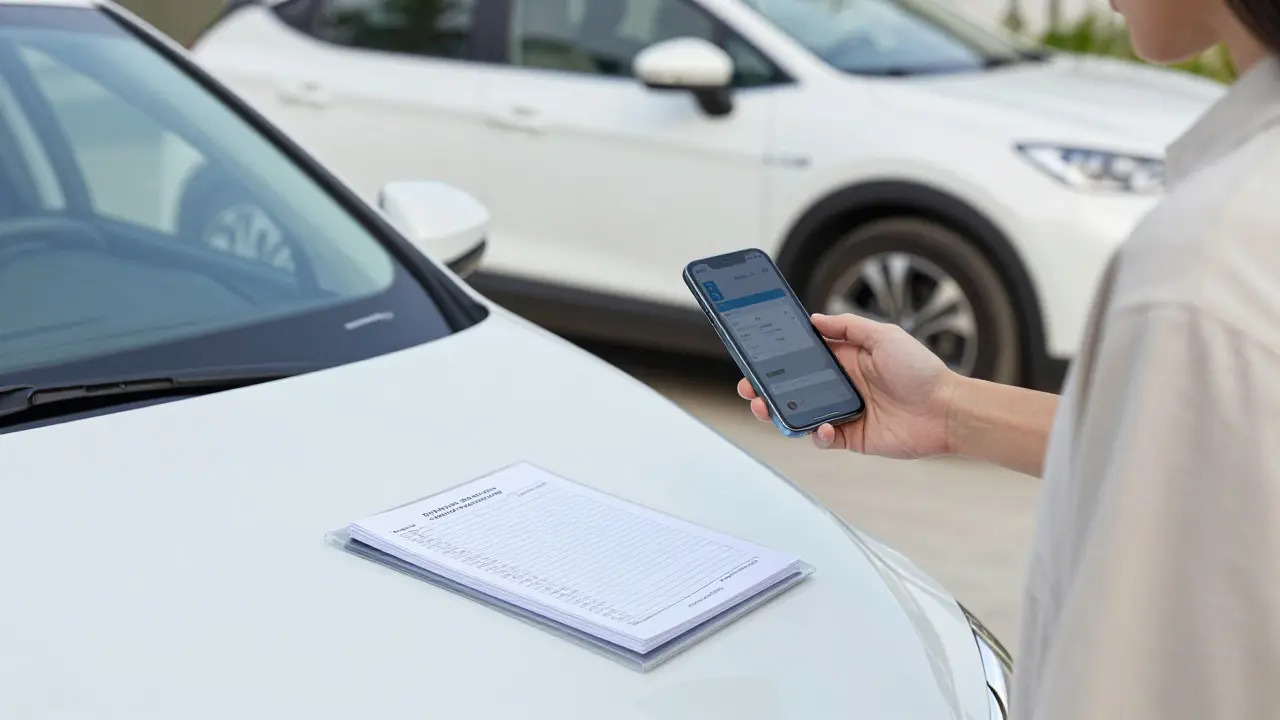
You don’t need expensive software. A smartphone camera and a free cloud storage account are enough. However, apps like CarVertical or HPI Check provide structured data that you can export and save. For physical storage, a clear plastic sleeve inside the glovebox works well for the V5C and insurance details. Keep the rest in a home office drawer or digital backup.
If you buy multiple cars or manage a fleet, consider a spreadsheet. Columns for Date, Mileage, Cost, Description, and Next Due Date help you track spending and predict future maintenance costs. This data is invaluable when negotiating trade-ins, as dealers respect owners who know their car’s exact history.
Frequently Asked Questions
Is the V5C logbook proof of ownership?
No, the V5C proves you are the registered keeper. Legal ownership is determined by the person who paid for the car or holds the finance agreement. Always check for outstanding finance via an HPI check to ensure the true owner is selling it to you.
What if the seller has no service history?
It’s not a deal-breaker, but it lowers your leverage. Assume the worst-case scenario for maintenance. Offer less money to account for immediate servicing needs, such as oil, filters, and fluid changes. Get a pre-purchase inspection by a mechanic to assess the actual condition.
Do I need to keep MOT certificates forever?
You don’t need to keep them forever, but keeping the last two or three is helpful. They provide a timeline of the car’s health. Older MOTs are useful if you ever need to prove the car was in good condition at a specific time for insurance disputes.
Can I transfer the V5C myself?
Yes. Fill in Section 7 of the V5C, give it to the seller, and send it to the DVLA with your details. Alternatively, you can do it online via the GOV.UK website if you have the reference code from the V5C. It usually takes 2 weeks for the new V5C to arrive.
What is the difference between a write-off and a repaired accident?
A write-off is classified by insurers based on repair costs versus vehicle value. Categories S and N are repairable, while B and C are usually scrapped. A repaired accident car can be safe, but it may have residual structural stress. Always check the HPI report for write-off status before buying.