
Buying a used car is like opening a mystery box. You might get a reliable daily driver that runs for another decade, or you might end up with a lemon that needs constant repairs. The difference often lies in the paperwork-specifically, the vehicle history report. This document acts as a detective’s case file for the car, revealing its past life before it ever reached your driveway. It tells you if the car was stolen, if it has outstanding finance, or if it suffered major structural damage that wasn’t disclosed by the seller.
Many buyers skip this step to save a few pounds, thinking they can spot issues by looking under the bonnet. That’s a risky gamble. A skilled mechanic can tell you what is wrong with the engine right now, but they cannot see the car’s history. They don’t know if it was previously a taxi, if it had flood damage repaired poorly, or if the mileage was rolled back. In the UK, services like HPI Check or Carfax provide these insights by pulling data from the DVLA, insurance companies, and police databases. Ignoring this report is like buying a house without checking the title deeds-you might own it, but you could be inheriting someone else’s problems.
The Core Components of a Vehicle History Report
When you run a check, you aren’t just getting one number; you’re accessing a web of interconnected data points. The most critical element is the VIN (Vehicle Identification Number), also known as the chassis number. This unique 17-character code is stamped into the car’s body and appears on documents. If the VIN on the report doesn’t match the one on the car, walk away immediately. It could mean the car was stolen and re-vin’d, or worse, it’s a clone of a legitimate vehicle.
Beyond the VIN, look closely at the MOT history. The Driver and Vehicle Licensing Agency (DVLA) records every MOT test result since 2005. This isn’t just about whether the car passed or failed; it’s about the advisories and defects noted over time. A car that consistently fails for rust or suspension issues suggests underlying structural neglect. Furthermore, the MOT certificate includes mileage readings. By plotting these against the current odometer, you can spot discrepancies. If the mileage dropped between tests, someone tampered with the clock.
Another vital section covers accident and damage categories. Since 2017, insurers categorize damaged cars into four bands: Category A (scrap), B (break), S (structural repairable), and N (non-structural repairable). Categories A and B are scrapped, so you won’t see them on the road. However, if a car is listed as Cat S or N, it means it was written off by an insurer after an accident and then repaired. While not all Cat S cars are bad, many were repaired cheaply to sell quickly. Always ask for photos of the original damage if possible.
Red Flags That Should Stop You in Your Tracks
Not all history report findings are deal-breakers, but some are hard stops. The biggest red flag is outstanding finance. If a previous owner took out a loan to buy the car and didn’t pay it off, the lender still owns the vehicle. When you buy it, you effectively inherit that debt. The lender can legally seize the car from you, even though you paid cash for it. A clear "no finance" status is non-negotiable unless you are buying directly from a reputable dealer who guarantees to settle any debts.
Stolen markers are another instant no-go. Sometimes a car is reported stolen and then recovered, but the marker remains on the database until cleared. Verify with the police or DVLA if the status is active. Also, watch out for imported vehicles that haven’t been properly registered. If the report shows a gap in history before a certain date, the car might have been imported from outside the UK and missed a registration step. This can complicate future resale and tax liabilities.
| Flag | Meaning | Risk Level | Action |
|---|---|---|---|
| Outstanding Finance | Lender retains ownership rights | High | Do not buy unless seller provides proof of settlement letter |
| Cat S / N Write-off | Previously declared total loss due to accident/flood | Medium-High | Inspect repair quality; negotiate price down significantly |
| Mileage Discrepancy | Odometer reading lower than previous MOT record | High | Assume mileage is unreliable; suspect clocking |
| Multiple Owners in Short Time | Car changed hands frequently within 1-2 years | Medium | Ask why; potential hidden mechanical faults |
| No MOT History | Car never tested or data missing | Low-Medium | Check if car is new enough to not require MOT yet |
Decoding Mileage Tampering and Service Records
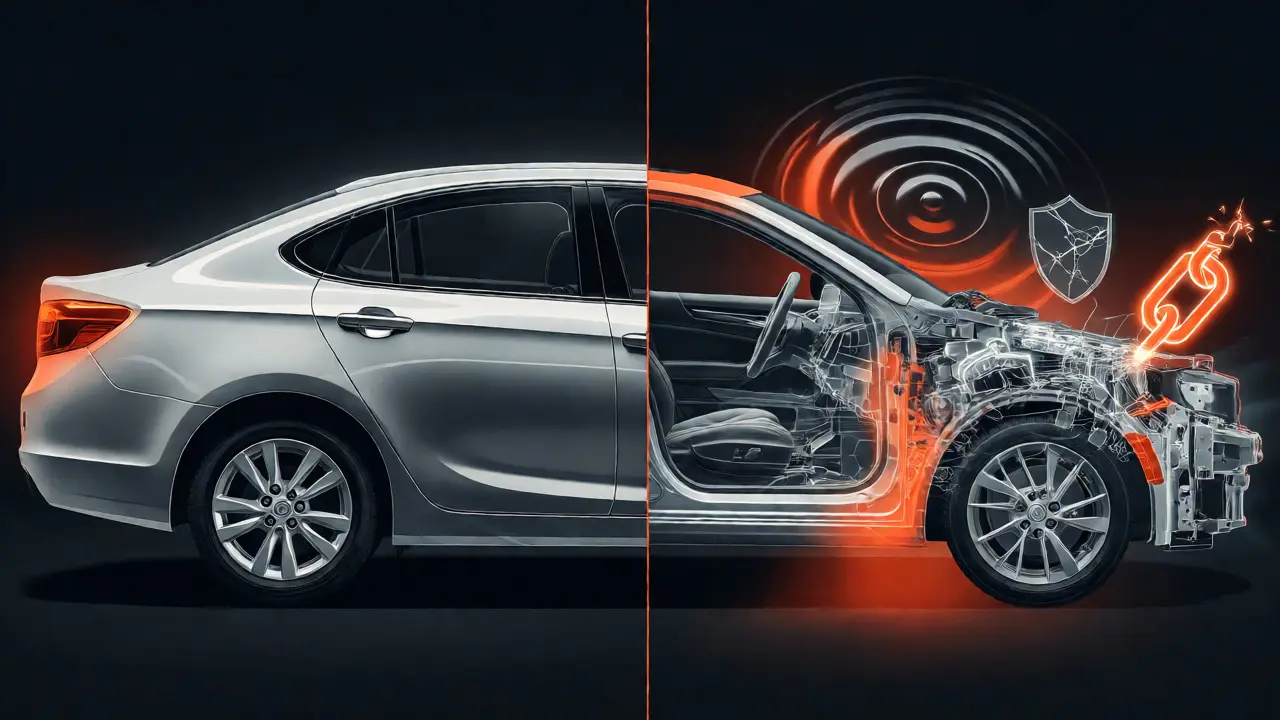
Clocking-the illegal practice of rolling back the odometer-is surprisingly common. Estimates suggest millions of miles are erased annually across the UK. A history report helps catch this by comparing recorded mileages at each MOT test. But reports aren’t perfect. If a car misses an MOT or the data entry is wrong, the graph might look jagged. Don’t panic over small errors. Instead, look for logical consistency. Does the mileage increase steadily? Are there huge jumps followed by drops? A drop is almost always suspicious unless there’s a documented error correction.
Service history complements the digital report. While the report gives you government and insurance data, service books show maintenance care. Did the owner change the oil every year? Were timing belts replaced on schedule? A full main-dealer service history adds value and confidence. Conversely, a car with no service stamps but a clean history report might have been maintained by a local garage, which is fine, but verify the receipts. Missing services on high-mileage cars are a warning sign of deferred maintenance costs waiting to hit you.
Using Data to Negotiate Price
Knowledge is power, especially when bargaining. Use the history report to justify a lower offer. If the car is a Cat N write-off, it should cost less than a non-written-off equivalent because resale value is permanently reduced. If the report shows three owners in two years, use that to argue that the car might have recurring issues that scared off previous buyers.
Be polite but firm. Say something like, "I love the car, but the report shows it was previously flooded. I’m willing to take the risk, but I need to factor in potential electrical gremlins later. Can we adjust the price to reflect that?" Sellers who hide facts often get defensive. Honest sellers appreciate transparency and may meet you halfway. Remember, the goal isn’t just to save money; it’s to avoid expensive surprises post-purchase.
Beyond the Report: Physical Verification
A history report is a tool, not a guarantee. It relies on data being entered correctly. If a minor fender bender wasn’t claimed on insurance, it won’t appear in the report. Therefore, always combine the digital check with a physical inspection. Look for mismatched paint panels, overspray on rubber seals, or uneven gaps between doors. These physical signs can reveal accidents that weren’t reported. Similarly, check the VIN plate physically on the car to ensure it hasn’t been tampered with.
Consider hiring an independent mechanic for a pre-purchase inspection. They can lift the car and check for corrosion, leaks, and wear that a quick visual scan misses. Think of the history report as the first filter. If it passes, the mechanic is the second filter. Only after both pass should you hand over the cash. This layered approach minimizes risk and ensures you drive away with a car that matches its description.
How much does a used car vehicle history report cost?
In the UK, basic checks can range from free to £10, while comprehensive reports from providers like HPI Check typically cost between £15 and £20. Some dealerships include this cost in the sale price or offer it for free as part of their certification process.
Can a history report miss an accident?
Yes. If the previous owner paid for repairs out of pocket without involving their insurance company, the accident won’t appear in the insurance-based sections of the report. Physical inspection is crucial to catch unreported damage.
What is the difference between Cat S and Cat N?
Category S (Structural) means the car sustained damage to its frame or safety-critical components and must be professionally repaired. Category N (Non-Structural) involves cosmetic or non-safety-related damage. Both require proper repairs to be road legal, but Cat S is generally considered more serious.
Is it safe to buy a car with outstanding finance?
It is risky. If the seller doesn’t pay off the loan immediately upon sale, the lender can repossess the car from you. Always insist on seeing a formal settlement letter from the finance company before transferring funds.
How far back do MOT history records go?
The DVLA online service provides MOT test results dating back to 2005. For older cars, detailed records may not be available digitally, requiring manual verification through archived paper certificates.