
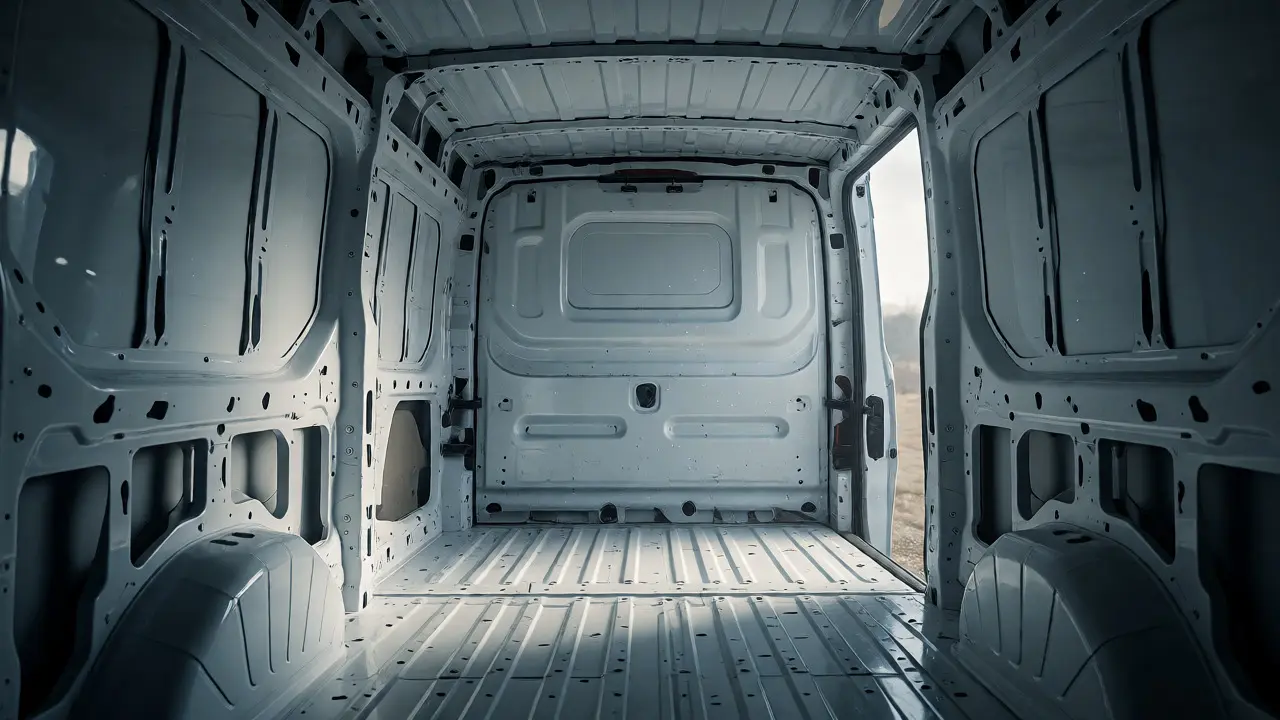
You’re standing in a cold, empty cargo space. The walls are bare metal, the floor is ribbed steel, and the only sound is the wind whistling through a gap in the door seal. This blank canvas is either your next office on wheels or your ticket to sleeping under the stars in Scotland. But before you buy that plywood and insulation, you need to make a hard choice: are you building a workhorse that pays the bills, or a mobile home for weekend escapes? The difference isn’t just about taste; it’s about physics, budget, and how much time you want to spend fixing things instead of using them.
The Core Difference: Utility vs. Comfort
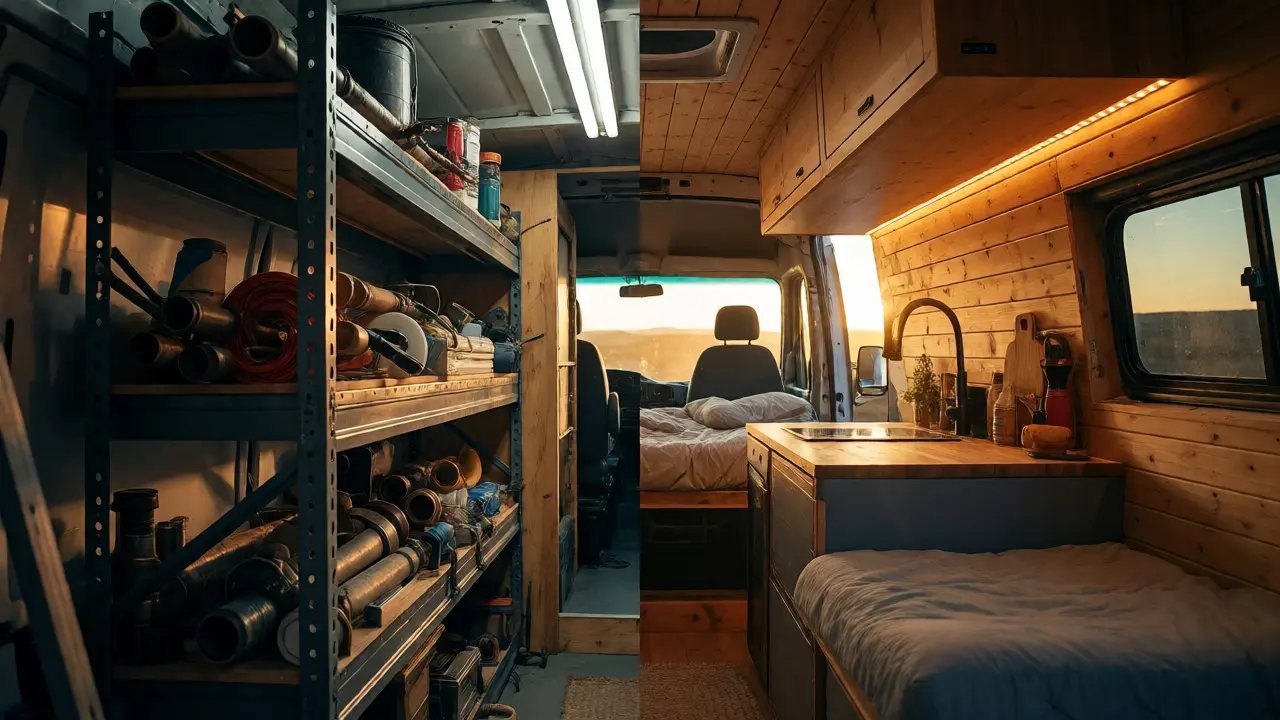
Most people think the main difference between a work van and an adventure van is the bed. It’s not. It’s the infrastructure. A commercial conversion prioritizes durability and speed. You need shelves that don’t buckle when you stack fifty boxes of plumbing supplies. You need flooring that survives muddy boots and spilled coffee. An adventure conversion, often called a camper van, prioritizes livability. You need warmth, light, and power to run a fridge and charge a laptop while parked in a field with no hookups.
Here’s the trap: many DIYers try to do both poorly. They install heavy oak cabinets in a work van, then wonder why their fuel economy tanks and their suspension groans. Or they build a cozy camper with thin foam insulation, then complain about condensation during winter trips. To get this right, you have to pick a primary lane. If you’re carrying tools five days a week and camping two days, build for the tools first, then add removable comfort modules. If you’re living in it full-time, comfort becomes utility.
Chassis Selection: Ford Transit, Mercedes Sprinter, or Ram ProMaster?
Your base vehicle dictates what’s possible. Let’s look at the big three in the UK market, because availability matters more than brand loyalty here.
| Feature | Ford Transit | Mercedes Sprinter | Ram ProMaster |
|---|---|---|---|
| Drivetrain | RWD (standard), AWD available | RWD (standard), 4x4 available | FWD (only option) |
| Interior Width | Wide but curved walls | Tall and narrow | Widest flat floors |
| Maintenance Cost | Low to Medium | High | Medium |
| Best For | All-rounders, tradespeople | Luxury campers, tall builds | Urban delivery, wide layouts |
The Ford Transit is the default choice for a reason. Parts are everywhere, every mechanic in Bristol knows how to fix one, and the RWD layout handles wet roads better than front-wheel drive. However, those curved wheel arches eat into your storage space. You’ll lose about six inches of usable width on each side unless you build custom cabinetry that hugs the curve.
The Mercedes Sprinter is the status symbol of the van world. It’s taller, which means you can stand up comfortably in most models. But that height comes with a penalty: wind resistance. On a motorway run from London to Manchester, a Sprinter will drink significantly more diesel than a lower-profile Transit. Also, keep in mind that Mercedes parts aren’t cheap. If you blow a sensor, expect a bill that makes your eyes water.
The Ram ProMaster is the odd one out. It’s front-wheel drive, which lowers the floor. That sounds great until you realize FWD vans struggle in mud or snow compared to RWD. But if you’re doing urban commercial work or sticking to paved campsites, that low floor makes loading heavy equipment infinitely easier. No lifting gear over a high step.
Power Systems: Off-Grid Reality Check
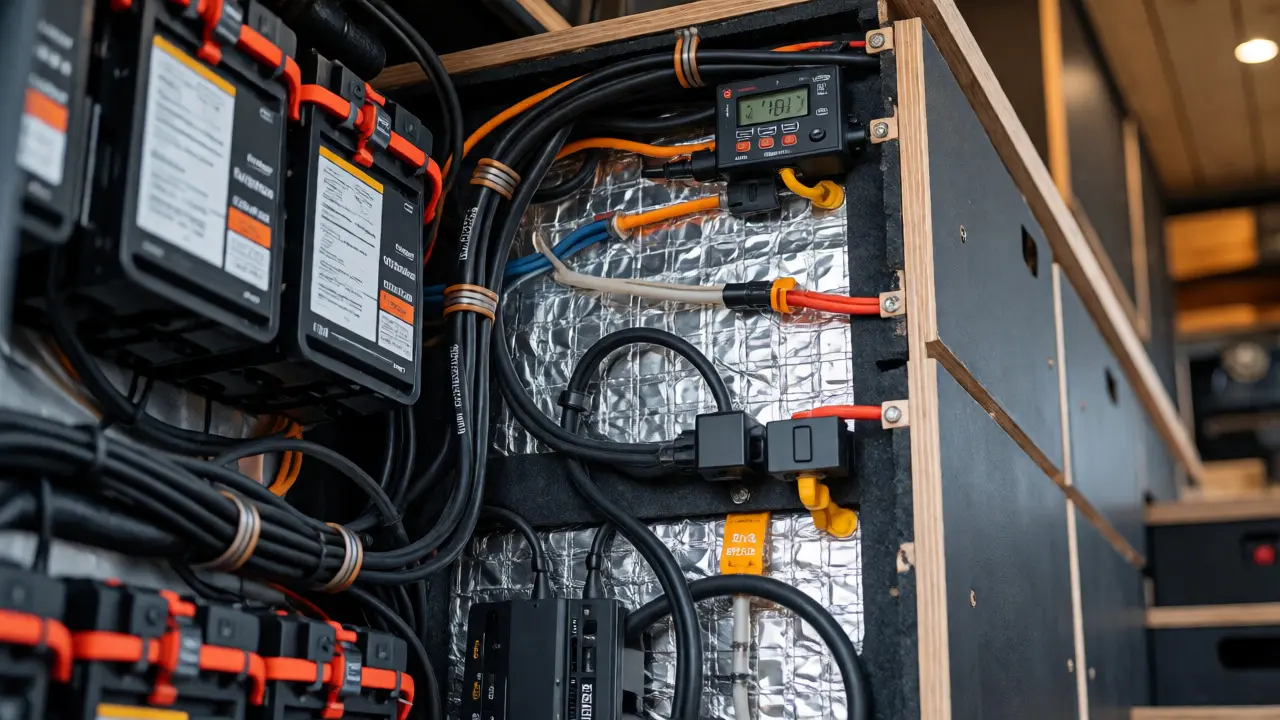
This is where budgets explode. In a commercial setup, you might just need a 12V outlet for a laptop and a phone charger. Simple. Installable in an hour. But in an adventure build, you’re looking at solar panels, lithium batteries, inverters, and wiring looms that look like spaghetti.
Don’t fall for the "plug-and-play" kits sold online. They’re often undersized. Here’s a rule of thumb: calculate your daily watt-hours. A typical fridge-freezer combo uses about 50-80Ah per day. A laptop adds another 20Ah. Lights and USB charging? Another 10Ah. That’s roughly 100-110Ah of consumption daily. If you want to stay off-grid for three days without sun, you need a battery bank of at least 300-400Ah. Lead-acid batteries weigh too much and die quickly if discharged below 50%. Lithium iron phosphate (LiFePO4) batteries are lighter, last longer, and can be drained deeper, but they cost three times as much upfront.
Solar helps, but don’t rely on it entirely in November in the UK. You’ll get maybe two hours of decent sun. Calculate your panel output based on worst-case scenarios, not sunny summer days. A 200W system is a good starting point for moderate use, but pair it with a DC-DC charger connected to your alternator so driving recharges the house battery efficiently.
Insulation and Climate Control
Vans are metal boxes. They sweat. Without proper insulation, condensation forms on the ceiling and drips onto your bedding or paperwork. For commercial vans, we usually skip full insulation to save weight and cost, focusing instead on durable lining boards. But for adventure vans, insulation is non-negotiable.
Avoid spray foam if you plan to resell later-it’s messy to remove. Closed-cell spray foam is excellent for sealing gaps and providing a vapor barrier, but rigid PIR boards (like Kingspan or Celotex) are easier to cut and fit between ribs. Cover them with reflective foil tape to stop thermal bridging, then finish with lightweight plywood or vinyl for a clean look. Remember, heat rises. Insulate the roof heavily, and don’t forget the sliding doors-they’re massive thermal leaks.
Heating is another beast. Diesel heaters (like Webasto or Eberspächer) are popular because they draw fuel from the main tank. They’re efficient and quiet. But they require professional installation and regular maintenance. Electric heaters are cheaper to install but drain your battery fast. Gas heaters are risky due to carbon monoxide concerns in small spaces. If you’re building a sleeper, ventilation is critical. Install dual vents-one low, one high-to create airflow even when windows are closed.
Interior Layouts: Modular vs. Fixed
If you’re switching between work and play, go modular. Build a platform frame that sits on the van floor rails. Attach drawers, benches, or shelving units that can be unbolted and removed. This lets you strip the van down to a bare cargo space in ten minutes for a furniture delivery job, then rebuild it into a camper for the weekend.
For dedicated adventure vans, fixed layouts maximize space. Use vertical space aggressively. Overhead cabinets should be shallow (10-12 inches deep) to avoid hitting your head. Under-bed storage is king-use drawer runners for easy access. Kitchen blocks should include a sink with a foot pump (no electricity needed) and a portable stove rather than a built-in hob, which takes up valuable counter space.
Water systems are simple but prone to failure. Don’t use standard garden hoses inside the van; they kink and leak. Use flexible silicone tubing and quick-connect fittings. Mount your fresh water tank securely; sloshing water throws off your center of gravity. Gray water disposal is a hassle-plan for a removable container rather than a fixed tank if you’re not staying at sites with dump stations.
Budgeting and Resale Value
How much does this actually cost? A basic commercial racking system might set you back £500-£1,000. A full DIY camper conversion ranges from £5,000 to £15,000 depending on how much labor you do yourself. Professional conversions start at £20,000 and climb steeply.
Will you get the money back? Rarely. Custom interiors don’t always appeal to the next buyer. A clean, well-maintained van with removable mods sells faster than a bespoke masterpiece. Keep receipts, document your wiring diagrams, and use neutral colors. Bright purple upholstery might look cool now, but it limits your market later.
Common Pitfalls to Avoid
- Ignoring Weight: Every kilogram counts. Heavy solid wood cabinets can push you over your Gross Vehicle Weight Rating (GVWR). Use birch ply or aluminum framing instead.
- Poor Ventilation: Condensation ruins mattresses and electronics. Always install fans, even if you think you won’t need them.
- Underpowered Electrical: Starting with a tiny battery bank leads to frustration. Size up by 20% more than you think you need.
- Forgetting Insurance: Standard auto insurance doesn’t cover camper modifications. You need specialist van insurance that recognizes the conversion value.
Building a van is a marathon, not a sprint. Take photos of every stage. Label every wire. Test everything twice before closing up the walls. Whether you’re hauling bricks or chasing sunsets, the right conversion turns a mundane vehicle into a tool that changes how you live and work.
Can I convert a van myself?
Yes, many people do. It requires patience, basic carpentry skills, and some electrical knowledge. Start with a simple design and prioritize safety-critical elements like gas and electrics. If you’re unsure, hire a pro for the complex bits.
Do I need planning permission to park my converted van?
Generally, no, if you’re parking on public land or private land with permission. However, local councils may have restrictions on overnight parking or residential zones. Always check local bylaws.
What is the best insulation material for vans?
Closed-cell spray foam is effective for sealing gaps, but rigid PIR boards are easier for DIYers to install and provide excellent thermal resistance. Ensure you leave a small air gap behind the cladding to prevent condensation buildup.
Is a diesel heater worth it?
For cold climates, yes. Diesel heaters are efficient and independent of your electrical system. They’re expensive to install but reliable. Ensure you have adequate ventilation to prevent carbon monoxide risks.
How much does a professional van conversion cost?
In the UK, professional conversions typically range from £15,000 to £40,000+ depending on the level of luxury, materials used, and complexity of the electrical and plumbing systems.
Comments
Nnaemeka Anadu
you people are so naive thinking this is about vans
it is about the soul of labor vs the dream of escape and you cannot have both without suffering for it like a dog in the rain
November 9, 2026 at 11:54