
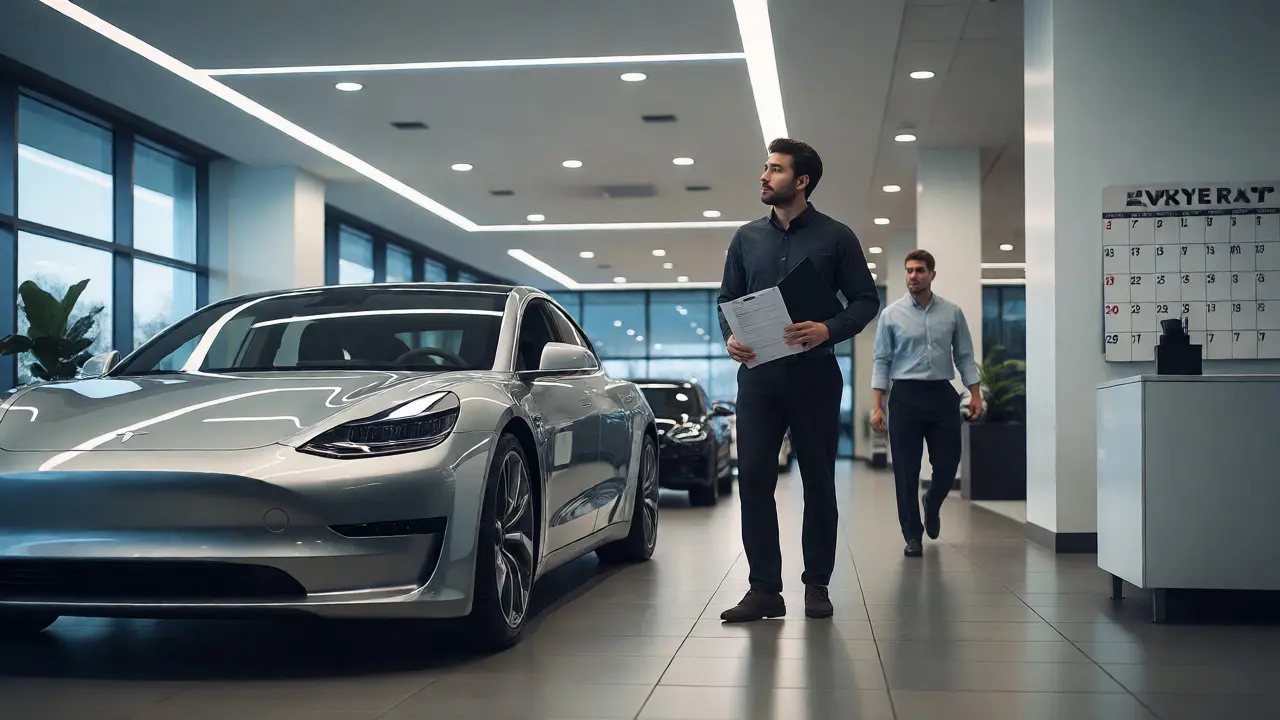
You walk into a showroom on a random Tuesday afternoon, and the salesman looks at you like you’ve just walked into a lion’s den. You’re not wrong to feel that tension. Buying a new car is one of the biggest financial decisions most of us make, yet we often treat it with the casualness of picking out a pair of shoes. But here’s the truth: timing matters more than haggling skills. In 2026, with inventory levels stabilizing but interest rates still hovering above historic lows, knowing when to sign the paperwork can save you thousands. It’s not magic; it’s mechanics.
The car industry runs on cycles. Dealerships have quotas, manufacturers have production schedules, and banks have quarter-end targets. If you align your purchase with these rhythms, you turn the pressure from your shoulders onto theirs. This guide breaks down exactly when to strike, whether you are eyeing a family SUV or a sleek electric sedan.
The End-of-Month Rush: Why Salespeople Panic
Let’s start with the most common advice, because it actually works. Dealerships operate on monthly sales targets. These aren’t just vanity metrics; they determine bonuses for the sales staff and volume incentives from the manufacturer for the dealership owner. By the 25th of the month, if a dealer hasn’t hit their quota, they become desperate. They might lose a chunk of their profit margin just to close a deal and secure their bonus.
This doesn’t mean you should show up at 4:55 PM on the last day of the month hoping for a miracle. That’s stressful and often leads to sloppy paperwork. Instead, aim for the final three days of the month. Visit the lot, test drive the vehicle, and let them know you are ready to buy if the numbers work. You’ll find managers more willing to waive documentation fees or throw in free servicing packages. Just remember: don’t let them rush you into signing something you haven’t read. The leverage is yours, but only if you stay calm.
Model Year Changeovers: The Sweet Spot for Discounts
If you want the biggest price drop, look at the calendar around late summer and early autumn. Manufacturers introduce new model years typically between August and October. When the 2027 models arrive, the 2026 models sitting on the lot become "last year's tech." To clear space, dealers slash prices.
| Timing Strategy | Average Discount Potential | Best For | Risk Factor |
|---|---|---|---|
| End of Month | 3-5% off MSRP | Buyers who need specific color/options | Limited selection remaining |
| Model Year Changeover (Sept-Oct) | 8-15% off MSRP | Budget-conscious buyers flexible on specs | May miss latest safety/tech features |
| Holiday Weekends (Bank Holidays) | 2-4% off MSRP | Families wanting a leisurely shopping trip | High foot traffic means less attention |
| January | 5-10% off MSRP | Patient buyers waiting for tax rebates | Inventory is picked over |
Is the difference significant? Yes. A £5,000 discount on a £35,000 car isn’t trivial. However, there’s a trade-off. You might not get the exact colour combination you wanted, or you might miss out on a minor software update included in the new model. But for many, saving £3,000-£5,000 outweighs having the absolute latest infotainment screen. Check the VIN plate carefully to confirm the build date; sometimes a "new" model was built months ago and sat in storage.
Quarter-End and Fiscal Year Targets
Zoom out from the month and look at the quarter. Dealerships also have quarterly goals set by their corporate parents or franchise agreements. March, June, September, and December are critical months. If a large chain dealership is struggling to meet its Q3 target in late September, headquarters might authorize deeper cuts across all locations to boost volume stats.
This is particularly true for luxury brands where volume matters less than prestige, but even mainstream brands like Ford or Volkswagen face pressure. Ask the salesperson directly: "Are you close to hitting your quarterly target?" Their reaction will tell you everything. A nervous glance toward the manager’s office? You’re in business.
The Impact of Interest Rates and Financing Cycles
In 2026, the conversation isn't just about sticker price; it's about the cost of money. With base rates fluctuating, financing terms change rapidly. Banks and captive finance companies (like BMW Financial Services or Toyota Finance) run promotional campaigns to move inventory. These often coincide with major auto shows or holiday periods.
Keep an eye on 0% APR offers or low-rate financing events. Sometimes, paying £1,000 more for the car is worth it if you save £3,000 in interest over five years. Calculate the total cost of ownership, not just the monthly payment. A lower monthly payment can be a trap if it extends the loan term, meaning you pay more interest overall. Always compare the Annual Percentage Rate (APR), not just the advertised monthly figure.
Electric Vehicles: A Different Timeline
Electric vehicles (EVs) follow different rules. Because battery technology improves so quickly, older EVs depreciate faster than internal combustion engine cars. This makes timing even more critical.
Manufacturers frequently adjust EV pricing to compete with Tesla or Chinese imports. In 2026, expect sudden price drops when a competitor launches a similar range model. Unlike petrol cars, where mechanical changes are slow, EV software updates and battery chemistry improvements happen fast. Buying an EV just before a major hardware refresh can lead to buyer's remorse. Monitor press releases for upcoming platform updates. If a new architecture is announced for next year, current models may see steep discounts now.

Practical Checklist for Your Car-Buying Journey
Before you step onto the forecourt, do your homework. Here is how to prepare:
- Check Inventory Online: Use dealer websites to see what stock is available. Call ahead to confirm the car is physically on the lot, not just "in transit."
- Get Pre-Approved: Walk in with a financing offer from your bank. This gives you a baseline number to beat and prevents the dealer from manipulating the loan terms.
- Research Invoice Price: Know roughly what the dealer paid for the car. Tools like Edmunds or local equivalents provide estimates. Aim to pay near invoice, plus a small markup for profit.
- Negotiate Out-the-Door Price: Don’t discuss monthly payments until you agree on the total price. Add-ons like extended warranties and paint protection are high-margin items dealers love to push.
- Read the Fine Print: Watch for delivery fees, admin charges, or mandatory accessories. These can add hundreds to the bill without adding value.
Common Pitfalls to Avoid
Even with perfect timing, mistakes happen. One big error is falling for the "limited-time offer" panic. Salespeople are trained to create urgency. If you hear "this offer expires today," ask for it in writing. Often, these offers extend by a few days.
Another trap is ignoring the trade-in value. If you’re part-exchanging, get separate quotes from online buyers like WeBuyAnyCar and local dealers. Negotiate the trade-in value separately from the new car price. Combining them allows dealers to hide markups in one area while offering a "discount" in another.
Finally, don’t ignore the impact of supply chains. In 2026, some niche models still face allocation limits. If a car is highly sought after, like a new hybrid estate, waiting for a deal might mean missing out entirely. Assess your flexibility. Are you happy with any colour, or must it be black? Flexibility equals savings.
Is it better to buy a car at the beginning or end of the month?
Generally, the end of the month is better for getting a discount because salespeople are trying to hit quotas. However, inventory is often limited. Early in the month, you have more choices but less negotiating power. Mid-month can be a good compromise if you are flexible on specifications.
Do holidays really affect car prices?
Yes, major holidays like Bank Holidays or Christmas often feature manufacturer-backed promotions and special financing rates. However, foot traffic is higher, so you may receive less personalized attention. It’s wise to book appointments in advance during these times.
Should I wait for the new model year release?
If you want the latest features, yes. If you want a bargain, no. Wait until the new models arrive (usually Sept-Oct) to buy the previous year’s model. You’ll likely get a significant discount with minimal functional differences.
How does inflation affect car buying timing?
Inflation drives up material costs and wages, which increases the base price of new cars over time. Waiting too long can mean paying more for the same car later. However, high interest rates associated with inflation control can make financing expensive. Balance the rising sticker price against the cost of borrowing.
Are online-only car retailers cheaper?
Often, yes, due to lower overheads. They use dynamic pricing algorithms that adjust daily based on demand. Compare their fixed prices against traditional dealer quotes, remembering to factor in delivery fees and potential lack of physical inspection.
Comments
Chandan Singh
Actually, the table is misleading. In India, and increasingly in global markets, 'End of Month' discounts are often offset by inflated MSRP or mandatory add-ons that dealers push to hit their volume incentives. You don't get a real discount; you just move money from one column to another.
Also, the section on EVs ignores the battery warranty implications of buying an older model year. If the chemistry changes significantly, your resale value tanks faster than the sticker price drop saves you.
September 10, 2026 at 22:08
Brannen Hall
Great advice for people who have time to sit around waiting for quotas to fill up. Most of us work full-time and can't just waltz into a dealership on a random Tuesday afternoon like we're retired. The idea that you can "align with rhythms" is cute, but in reality, inventory is tight and if you wait for September, the color you want will be gone. Timing is less important than just having cash ready when you find what you actually want.
September 12, 2026 at 10:07
Bonnie Watt
This whole post feels so disconnected from how dealerships actually operate. It's all theoretical fluff. Real negotiation isn't about calendar dates; it's about leverage. And you only have leverage if you walk away. Most buyers are too emotionally attached to the car to use the strategies listed here effectively.
September 13, 2026 at 06:56
tiffany King
I love this! Buying a car is so stressful, but knowing there's a strategy makes it feel manageable. I'm definitely going to try aiming for the end of the month next time I upgrade my sedan. It’s nice to feel empowered rather than just hoping for luck. Thanks for breaking down the financial side too-calculating total cost of ownership is something I always forget to do!
September 14, 2026 at 19:48
Kim Edwards
I walked in last week expecting these "end of month" miracles and got absolutely slaughtered. The manager looked at me like I was insane for asking for 5% off. Apparently, my "timing" meant nothing because they were already over quota. So much for the lion's den analogy; more like a closed shop with no mercy. I almost cried in the parking lot.
September 15, 2026 at 11:40
Elisabeth Ballet
You need to stop letting the salespeople dictate the narrative! Get pre-approved before you even leave your house. That is non-negotiable. When you walk in with a bank offer, you aren't asking for permission to buy; you are offering them a chance to match your terms. Assertiveness gets results, not just timing. Go in there with confidence, know your invoice price, and refuse to discuss monthly payments until the final number is agreed upon. You’ve got this!
September 17, 2026 at 00:13
Brenna Gonedrman
OMG the part about the Lion's Den is SO accurate!! 😱 I literally felt like prey every time I went shopping for my SUV last year. The pressure is insane. But the tip about checking the VIN plate? Super helpful. I didn't know cars could sit in storage that long. Definitely saving this for later!
September 18, 2026 at 23:41
Courtney Wagstaff
Just adding a chill vibe here: honestly, sometimes the best deal is just walking away. If the vibes are off or the numbers don't smell right, leave. There's always another car. Don't let the deadline panic make you sign bad paperwork. Take a breath, grab some coffee, and see if they call you back. Usually, they do.
September 20, 2026 at 12:09
Joanna Mucha
We must consider the existential dread of consumerism itself. Is buying a new car truly a rational act, or is it a desperate grasp for identity through material accumulation? The "timing strategies" mentioned here are merely rituals performed to appease the gods of capitalism. We seek control over the uncontrollable nature of depreciation, pretending that signing a document on a specific Tuesday grants us agency over our own obsolescence. It is tragic, really.
September 21, 2026 at 17:50