
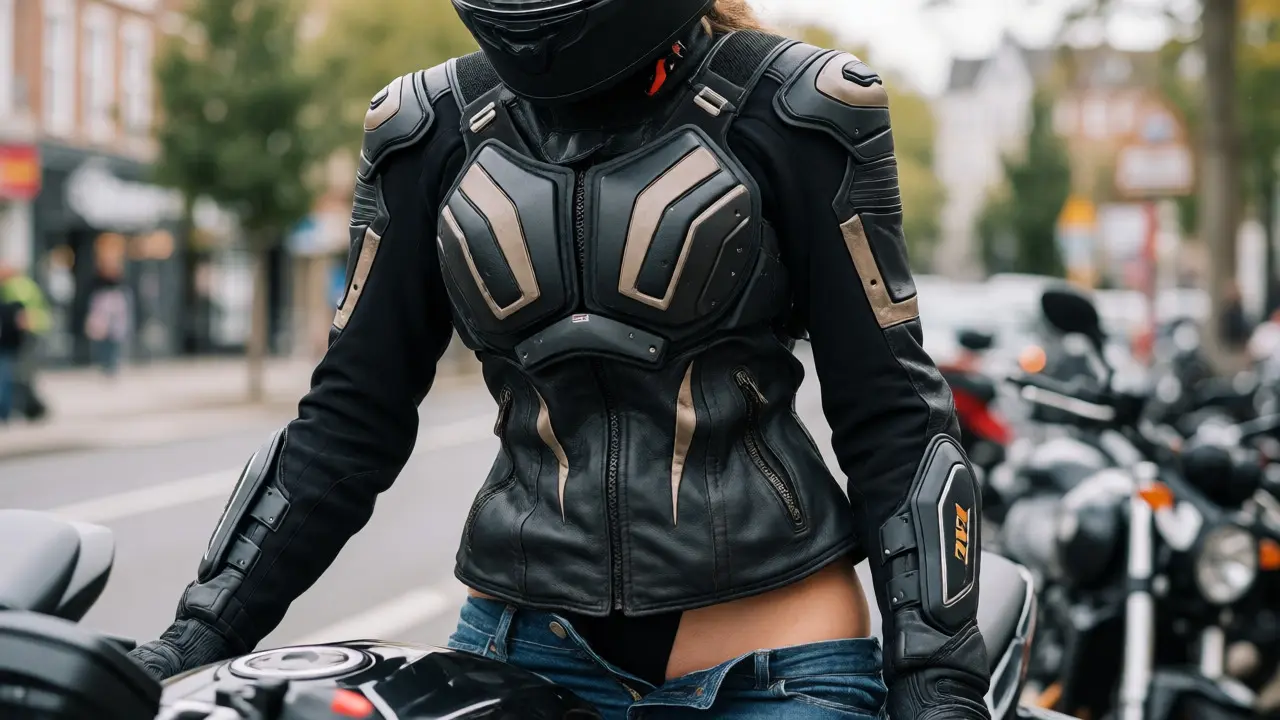
Here is the brutal truth about buying motorcycle gear if you have hips wider than your shoulders and a bust that defies standard sizing charts: most "unisex" gear is just men's gear with a pink stripe. You know the feeling. You zip up a jacket, and it pinches at the chest while swimming around your waist. Or worse, you buy jeans that look great but slide off your hips when you sit on the bike, leaving your tailbone exposed to the asphalt.
Women's motorcycle gear is protective apparel specifically engineered to accommodate female anatomical differences, including narrower shoulders, shorter torso lengths, and different hip-to-waist ratios compared to male riders. It isn't just about aesthetics; it is about physics. If the armor doesn't stay where it needs to be during a crash, it offers zero protection. In October 2026, the market has finally matured beyond the old "shrink it and pink it" era, offering genuine technical solutions for female riders who want safety without sacrificing comfort.
Why Standard Sizing Fails Female Riders
Let’s talk about the geometry of your body versus the geometry of a crash. Most motorcycle accidents involve sliding or tumbling. Your gear needs to stay put. Men’s gear is cut for a rectangular torso: broad shoulders, straight sides, narrow hips. When a woman wears this, two things happen. First, the shoulder armor sits too far back or falls off the shoulder entirely because her frame is narrower. Second, the waist cinches tight, pushing the abdominal armor into uncomfortable places, while the hips remain loose.
This misalignment creates gaps. A gap between your jacket hem and your pants waistband is a vulnerability. During a high-speed slide, debris can enter those gaps, or worse, the gear can roll up, exposing skin directly to friction. Properly designed female-specific armor is impact protection pads shaped and positioned to match female skeletal structures, particularly in the chest, back, and hip areas. This ensures that when you fall, the hard shell takes the hit, not your bone.
The Jacket: Fit Is Non-Negotiable
Your jacket is your primary shield. For women, the challenge is often balancing chest volume with arm length. Many female riders are shorter than average men, meaning sleeves on unisex jackets often bunch up at the wrists, restricting movement and reducing visibility. Conversely, if you size up to accommodate your bust, the sleeves become comically long, and the shoulder seams drop down your arms, causing the elbow armor to miss its target.
Look for jackets with adjustable waist tabs and stretch panels under the arms. These features allow you to customize the fit. Some modern brands now offer "bust adjustment" zippers or gussets that let you expand the front panel by an inch or two without altering the rest of the jacket’s structure. This is a game-changer for riders who previously had to choose between suffocating tightness or a baggy, unsafe fit.
Material matters too. Textile jackets offer better ventilation and flexibility, which is crucial for managing body heat. Leather provides superior abrasion resistance but can feel rigid until broken in. If you ride in the UK, like many of us here in Bristol, rain is a constant companion. Ensure your jacket has a waterproof membrane (like Gore-Tex) that doesn’t compromise breathability. A wet rider is a cold rider, and a cold rider loses focus.
Pants and Jeans: Solving the Hip Gap
If there is one piece of gear that causes more frustration than any other, it is motorcycle pants. The classic issue? They don’t stay up. Women typically have a smaller waist-to-hip ratio. Men’s pants assume a larger waist relative to the hips. So, if you buy men’s riding jeans, they either dig into your waist or fall off your hips.
The solution lies in specific cuts. Look for pants labeled as "curvy fit" or "female cut." These designs feature a higher rise in the back and extra room in the seat and thigh area, tapering down to a narrower leg opening. This prevents the fabric from bunching inside your boots. Additionally, suspenders or integrated harness systems are no longer just for old-school touring; they are essential for keeping your top and bottom connected. A short connector zipper between your jacket and pants eliminates the dreaded "midriff gap" during a slide.
| Feature | Unisex/Men's Cut | Women-Specific Design |
|---|---|---|
| Shoulder Width | Broad, boxy shape | Narrower, sloped for natural posture |
| Torso Length | Longer, straight cut | Shorter, tapered at waist |
| Hip Room | Minimal, assumes narrow hips | Expanded, accommodates wider pelvis |
| Chest Armor | Often flat or absent | Contoured cups or removable inserts |
| Sleeve Length | Standard male proportions | Proportionally shorter for average height |
Armor Placement: Protecting What Matters
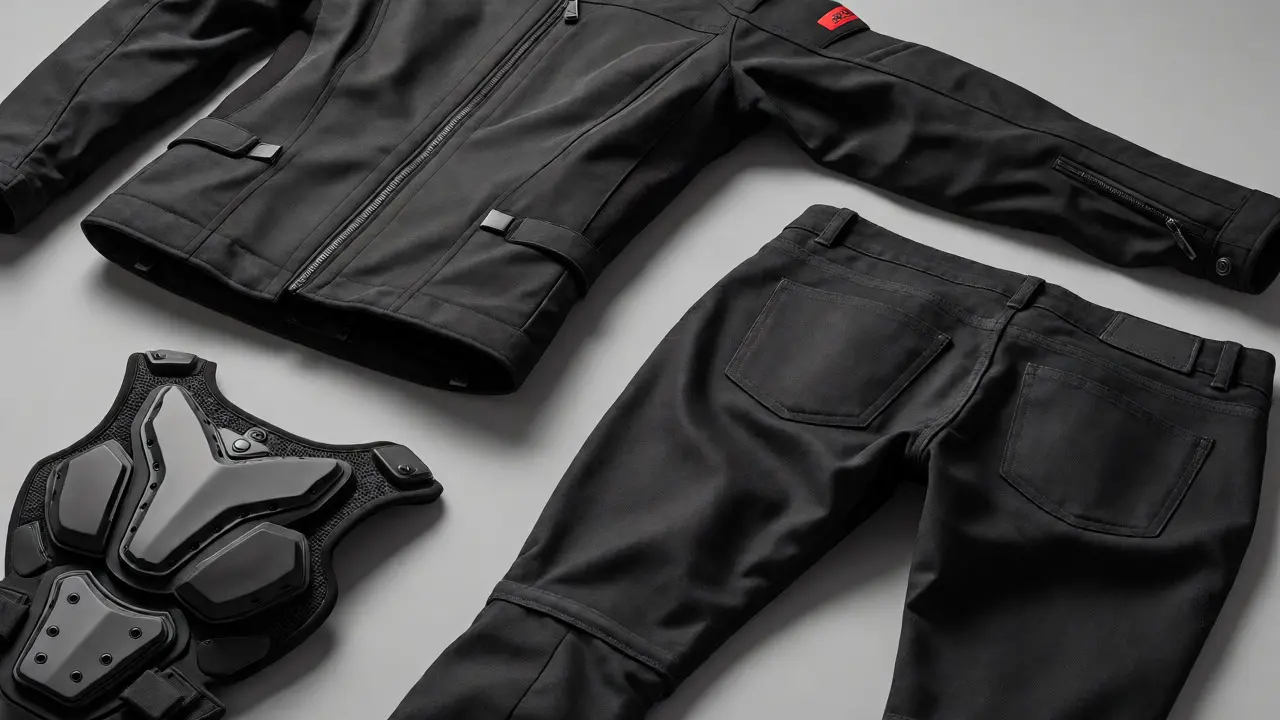
Not all armor is created equal, and placement is key. For women, chest protection is often overlooked in standard gear. While some argue that a sports bra provides enough support, it offers zero impact protection. Modern women’s jackets increasingly include CE-certified chest protectors that integrate seamlessly with the jacket lining. These aren't bulky plastic shields; they are flexible, ventilated plates that absorb shock.
Back protection is another critical area. Women’s spines are generally shorter and curved differently. A spine protector designed for a man might end mid-back on a woman, leaving the lower lumbar region vulnerable. Look for back protectors that extend further down or are segmented to flex with your body’s natural curve. Elbow and knee armor should also be adjustable. Since women often have less muscle mass in their limbs, armor that relies solely on elastic bands may slip. Zipped pockets that allow you to move the armor up or down by an inch can make the difference between full coverage and exposed joints.
Gloves and Boots: The Extremities
Hands and feet are the first points of contact in many low-speed drops. Gloves must fit snugly without cutting off circulation. Women’s hands are typically narrower with shorter fingers. Wearing oversized gloves means you lose tactile feedback on the throttle and brake lever-a dangerous distraction. Try on gloves before buying. Make a fist. If you feel pressure points on your knuckles or fingertips, walk away. The leather will stretch slightly, but it won’t shrink in width.
Boots present a unique challenge due to calf circumference. Many women struggle to zip tall riding boots over their calves. Look for boots with adjustable side zips or laces that allow for a custom fit. Sole stiffness is also important. You need a sole stiff enough to protect against crushing forces but flexible enough to walk comfortably when you’re off the bike. Hybrid boots that blend sneaker aesthetics with motorcycle safety standards are gaining popularity, especially for urban commuters who don’t want to change shoes after parking.
Fitting Tips: How to Test Before You Buy
Never buy motorcycle gear based on your street clothes size alone. Riding positions alter how fabric pulls and stretches. When trying on gear, simulate your riding position. Sit on a bench or chair, lean forward, and reach for imaginary handlebars. Does the jacket ride up? Do the sleeves pull back too far? Are your knees comfortable in the pants?
- The Pinch Test: Pinch the fabric at your waist. You should be able to grab about an inch of material. Any more, and it’s too loose; any less, and it restricts blood flow.
- The Range of Motion Check: Raise your arms above your head. Does the jacket lift excessively, exposing your lower back? Good gear stays anchored.
- The Zipper Connection: Always test the connection between your jacket and pants. If they don’t zip together, consider buying a separate connector belt or choosing a suit.
Remember, gear breaks in. Leather stretches, textile softens. But it never shrinks. If it feels slightly tight when new, that’s okay. If it feels loose, it will only get looser.
Maintenance and Longevity
Protective clothing is an investment. To make it last, treat it right. Wash textile gear according to the manufacturer’s instructions-usually cold water and mild detergent. Avoid fabric softeners, as they clog the pores of breathable membranes, making you sweat more. Condition leather regularly to prevent cracking. Cracked leather loses its abrasion resistance.
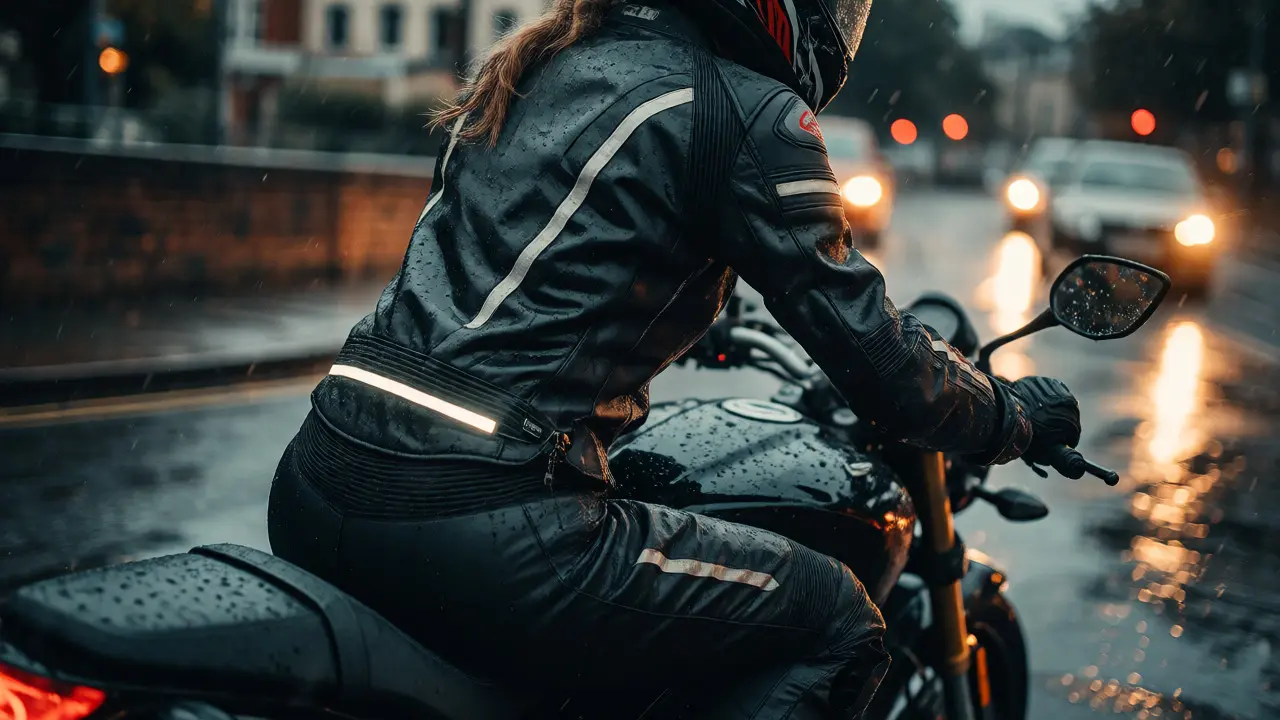
Inspect your gear annually. Check for worn stitching, cracked armor shells, or faded reflective strips. Reflective materials degrade over time, losing their ability to catch headlights. Replace any component that shows signs of structural failure. Your life depends on these seams holding together at 60 mph.
Final Thoughts on Safety vs. Style
You shouldn’t have to choose between looking good and staying safe. Today’s market offers blacked-out, minimalist designs that hide the bulk of armor. Brands like Alpinestars, Dainese, and REV'IT! have dedicated women’s lines that respect both fashion and function. But don’t be fooled by marketing photos. Always prioritize fit over brand prestige. A well-fitted generic brand will outperform a poorly fitted premium brand every single time.
Start with the essentials: a helmet that fits your rounder head shape (women often have narrower foreheads), a jacket with proper armor placement, and pants that stay up. Build from there. Ride safe, and keep your rubber side down.
Do I really need women-specific motorcycle gear?
Yes, if you want optimal protection. Anatomical differences mean that men's gear often leaves gaps at the hips, exposes the lower back, and misaligns elbow and knee armor. Women-specific gear ensures that protective padding stays in place during a crash, covering vital areas effectively.
Can I wear men's motorcycle jeans if I'm petite?
You can, but it's risky. Men's jeans usually lack sufficient room in the hips and seat for women, leading to discomfort and potential tearing. They also tend to be too long in the inseam, causing bunching inside boots. Look for 'petite' or 'short' variations in women's lines instead.
What is the best material for women's riding jackets?
It depends on your climate. Textile jackets with Cordura or Kevlar blends are lightweight, breathable, and easier to adjust for fit. Leather offers superior abrasion resistance but requires break-in and maintenance. For UK weather, a waterproof textile jacket with a removable thermal liner is often the most versatile choice.
How do I know if my motorcycle armor is CE certified?
Look for a small tag or label inside the garment, usually near the armor pocket, displaying the CE logo along with a number (e.g., EN 1621-1). Level 1 is standard impact protection, while Level 2 offers higher energy absorption. Always check the certification level for critical areas like back and chest.
Are women's motorcycle helmets different from men's?
Sometimes. While many helmets are unisex, women's head shapes are often oval rather than round, with a narrower forehead and wider cheekbones. Some manufacturers produce helmets specifically molded for female head shapes to prevent pressure points and improve stability.