
When you think about riding in 2026, one name keeps popping up in every garage conversation. Yamaha Motorcycles is a Japanese multinational corporation that manufactures motorcycles, engines, and outboard motors. Known for reliability and performance, the brand offers something for almost every rider. Whether you crave the adrenaline of a track day or the freedom of a weekend tour, understanding their lineup is key. This guide breaks down the sport, cruiser, and adventure categories so you can pick the right machine for your style.
Understanding the Sport Lineup
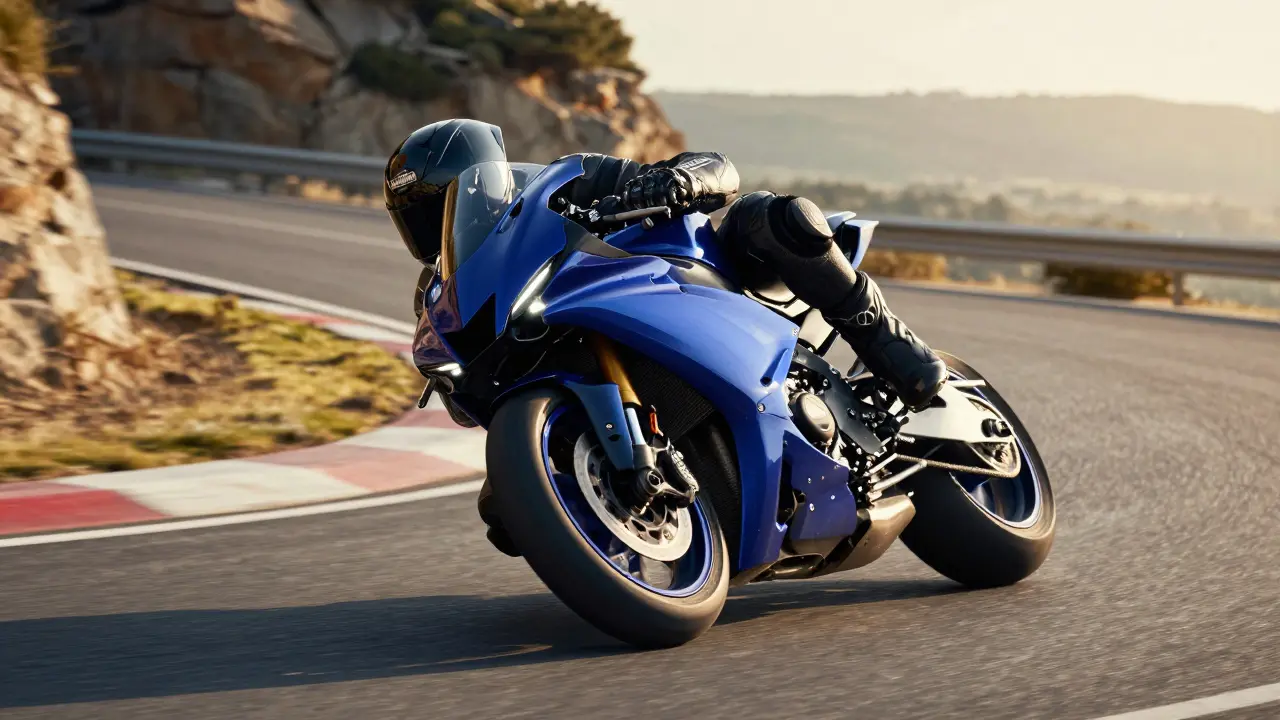
For riders who want speed and precision, the sport category is where Yamaha shines. The flagship here is the Yamaha R1. This machine is built for the track but remains street-legal. It features a 998cc crossplane four-cylinder engine that delivers aggressive torque. In 2026, the electronics suite includes advanced traction control and slide control, making it safer for public roads. If you are a beginner, the R1 might be too much. That is where the Yamaha R7 comes in. It uses a 689cc parallel-twin engine. This setup offers a lighter weight and manageable power for new riders who still want the sporty look.
Why choose a sport bike? The riding position puts you forward, giving you better control in corners. The suspension is stiff, designed to handle high speeds without flexing. However, comfort takes a backseat. Long rides can strain your wrists and back. The R1 and R7 are perfect for canyon carving or weekend track days. They are not ideal for commuting in heavy traffic. If you prioritize acceleration and handling over comfort, this category is your home.
Exploring Cruiser Models
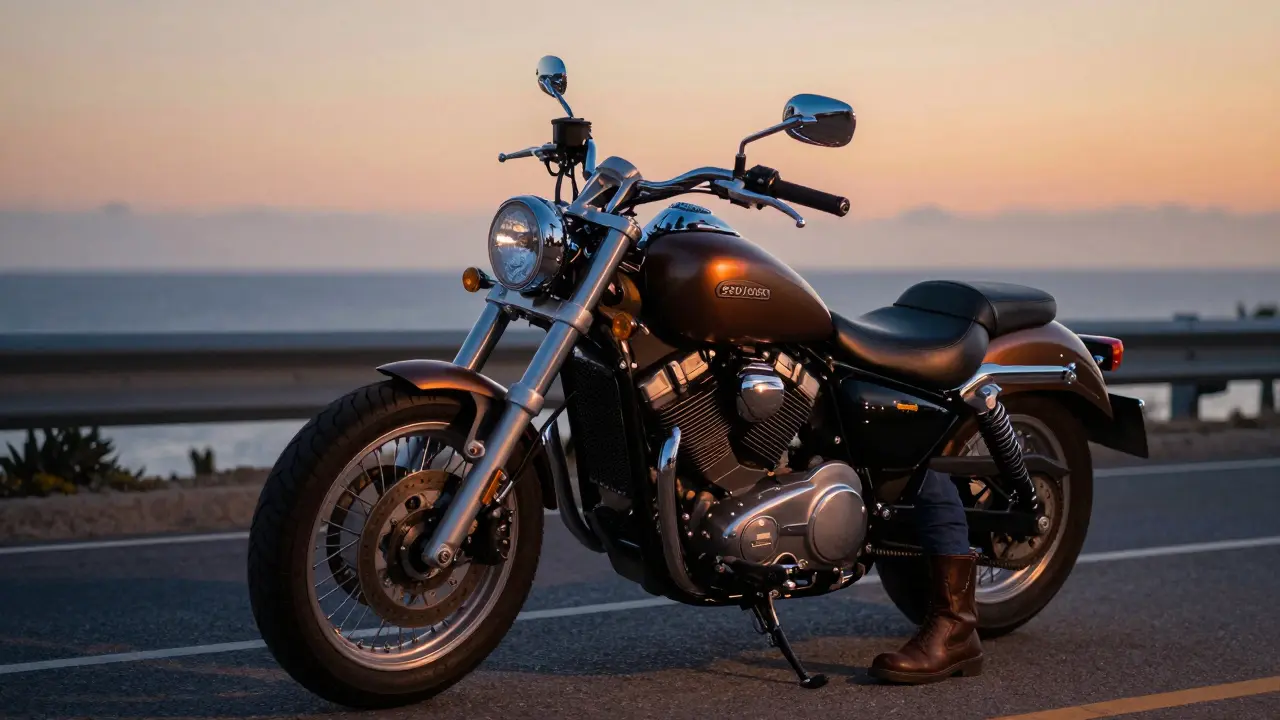
If you prefer a laid-back vibe, look at the cruiser section. Cruisers focus on style and low-speed torque. The Yamaha Bolt is a classic example. It has a V-twin engine that sounds deep and rumbling. The seat is low, making it easy to put your feet on the ground. This confidence helps in stop-and-go traffic. Another option is the XSR900. While technically a retro-modern bike, it fits the cruiser aesthetic. It mixes old-school looks with modern technology like quick shifters.
Cruisers are designed for cruising, not racing. The engine power is available at low RPMs. You don't need to rev the engine to get moving. The handlebars are wide, giving you a relaxed grip. Foot pegs are set back, allowing your legs to stretch out. This position is comfortable for long highway stretches. However, these bikes are not agile in tight corners. The weight is often concentrated low, which feels stable but heavy to lean. If you want to ride in jeans and boots, a cruiser is the way to go.
Adventure and Touring Options
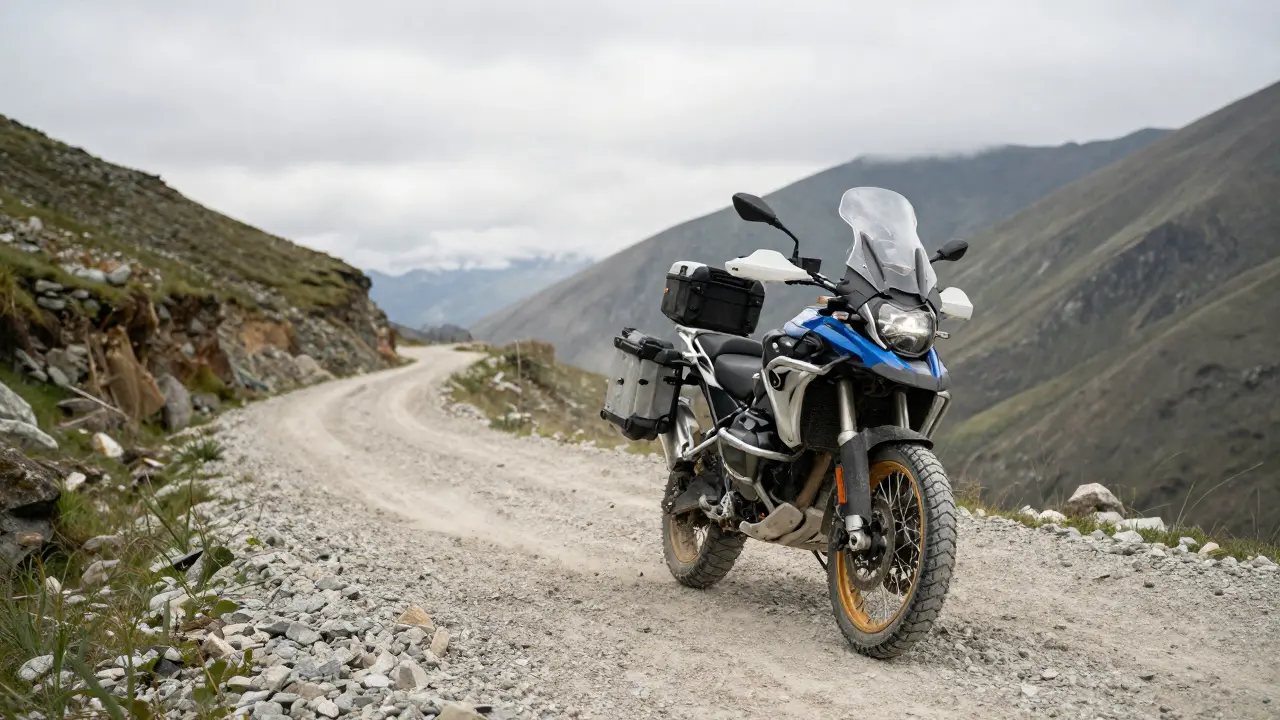
For those who want to go anywhere, the adventure category is essential. The Yamaha Super Ténéré is a legendary model. It is built to handle dirt roads and highways. The suspension travel is long, absorbing bumps from gravel paths. In 2026, the Ténéré includes a TFT display that shows navigation and fuel range. Another strong contender is the Tracer 9 GT. This is a sport-tourer. It has the engine of a sport bike but with wind protection and luggage mounts.
Adventure bikes are versatile. You can ride them on pavement or light off-road trails. The seat height is usually taller than a cruiser. This gives you more legroom but can be challenging for shorter riders. The windscreen protects you from wind fatigue on long trips. Luggage options are plentiful, allowing you to carry gear for multi-day trips. These bikes are heavier than sport models. They need more space to maneuver in a parking lot. If you plan to ride across the country or explore backroads, an adventure bike is the practical choice.
Technology and Engine Features
Yamaha integrates specific technology to improve safety and performance. The CP4 Technology stands for Crossplane Four. It creates a unique firing order that smooths out power delivery. This reduces vibration and makes the engine feel more responsive. Another key feature is Blue Core Technology. This focuses on fuel efficiency and emissions. In 2026, all new models comply with strict Euro 5+ regulations. This means better mileage and less environmental impact.
Electronics play a huge role now. Most bikes come with IMU (Inertial Measurement Unit). This sensor tracks the bike's movement in three dimensions. It helps the traction control system know when the bike is leaning. If the rear wheel spins during a turn, the system cuts power automatically. This prevents crashes on wet roads. Bluetooth connectivity is also standard. You can pair your phone to get turn-by-turn navigation on the dashboard. These features make riding safer and more connected.
| Category | Best For | Seat Height | Engine Focus |
|---|---|---|---|
| Sport | Performance & Speed | High | High RPM Power |
| Cruiser | Comfort & Style | Low | Low RPM Torque |
| Adventure | Versatility & Travel | Very High | All-Round Torque |
Choosing the Right Model for You
Selecting the right bike depends on your daily needs. Ask yourself where you will ride most. If you live in a city with tight streets, a heavy adventure bike might be annoying. A smaller sport bike or a lightweight cruiser fits better. Consider your height. If you are under 5 feet 6 inches, check the seat height before buying. Test rides are essential. Sitting on a bike in a showroom feels different from riding it on the road.
Budget is another factor. Sport bikes often have higher maintenance costs. Tires wear out faster due to harder riding. Adventure bikes might need more frequent oil changes if used off-road. Cruisers are generally cheaper to maintain. Insurance rates vary by engine size. A 1000cc bike costs more to insure than a 400cc one. Check local insurance quotes before making a final decision. Also, think about storage. Do you have a garage or a covered spot? Larger bikes need more space.
Maintenance and Reliability
Yamaha motorcycles are known for long-term durability. The engines are designed to last for hundreds of thousands of miles. Regular service is crucial. Change the oil every 4,000 miles or once a year. Check the chain tension and lubrication weekly. Brake pads should be inspected every 5,000 miles. Using genuine parts ensures the warranty remains valid. Dealerships offer scheduled maintenance plans. These plans cover labor costs and keep the bike running smoothly.
Common issues in older models include electrical gremlins. Newer 2026 models have improved wiring harnesses. Corrosion can happen if you ride in coastal areas. Wash the bike after riding in salt water. Keep the battery charged if the bike sits for long periods. A battery tender is a small investment that prevents starting problems. Proper care keeps the resale value high. Yamaha bikes hold their value well compared to some competitors.
Future Trends and Updates
The motorcycle industry is shifting towards electrification. Yamaha is exploring electric options. However, combustion engines remain dominant in 2026. Expect more connectivity features in future updates. Voice control might become standard. Safety systems will get smarter, potentially integrating with traffic lights. Hybrid engines are also being tested. These combine electric torque with gasoline power. For now, the current lineup offers the best balance of performance and range. Keep an eye on announcements for new model year releases.
Resale markets are active for Yamaha bikes. Popular models like the R1 and Ténéré sell quickly. Limited edition colors can fetch higher prices. If you plan to sell later, keep the service records. Clean bikes with no scratches get better offers. Joining owner clubs can provide support and parts tips. Community knowledge is valuable for troubleshooting. Whether you are new or experienced, there is a Yamaha for you.
Are Yamaha motorcycles good for beginners?
Yes, models like the MT-03 and R7 are excellent for beginners. They offer manageable power and lightweight handling. Avoid the R1 or large cruisers until you gain experience.
Which Yamaha model is best for long distance touring?
The Tracer 9 GT and Super Ténéré are top choices. They have wind protection, comfortable seats, and luggage capacity for multi-day trips.
How often should I service my Yamaha bike?
Follow the owner's manual. Generally, oil changes are needed every 4,000 to 6,000 miles. Major inspections occur annually or every 12,000 miles.
Do Yamaha motorcycles come with ABS?
Most models in 2026 come with ABS as standard. It is a safety feature that prevents wheel lockup during hard braking. Check specific model specs to confirm.
What is the fuel efficiency of Yamaha bikes?
Fuel efficiency varies by engine size. Smaller bikes can get 50+ MPG. Larger adventure and sport bikes typically range between 40 to 50 MPG under normal riding conditions.
Comments
Antonio Hunter
You really need to consider your riding style before buying. The R1 is amazing but scary for new guys. I remember when I first got my bike and it was too much power. The R7 is a better start for most people honestly. You don't want to crash on day one. Maintenance is key for longevity too. Yamaha engines last forever if you keep up with oil. Don't skip the chain lube or you will regret it later. Adventure bikes are great for touring but heavy in traffic. Cruisers are comfy but slow to turn. The electronics help but you still need skill. Test rides are mandatory before signing anything. Check the seat height against your inseam. Insurance costs add up quickly for big engines. Storage space matters if you live in an apartment. Think about where you park every night. Safety gear is non-negotiable no matter the bike. Helmets save lives so don't cheap out there. Plan your budget for repairs not just purchase price.
March 25, 2026 at 20:42
Jeff Napier
the whole industry is rigged to sell you more plastic
March 26, 2026 at 20:19
Sibusiso Ernest Masilela
Only real riders know the difference between a bolt and a toy. Most of you are wasting money on these cheap cruisers. The Super Ténéré is the only machine worthy of serious travel. If you buy anything else you are just pretending to ride. Stop acting like comfort matters when performance is king. You need to respect the machine or get off the road. I see too many amateurs ruining the reputation of this brand daily. Stick to the high end or go home.
March 27, 2026 at 06:16
Tom Mikota
oh sure... blue core technology... sounds like a magic spell. they say it saves fuel but i bet it just burns more. quick shifters are cool until they fail on you. nice try marketing team. i guess the crossplane engine is just noise now huh. whatever floats your boat i suppose. just dont expect miracles from a piece of metal.
March 27, 2026 at 13:53
Sanjay Mittal
The Euro 5+ regulations are significant for emissions control. Many riders overlook the impact of the IMU on safety systems. Traction control intervention varies by lean angle significantly. Proper tire pressure affects the IMU readings too. Regular diagnostics are needed for the electronics suite. The TFT display is useful for trip data tracking. Fuel consumption depends heavily on riding habits. Service intervals should not be extended beyond recommendations. Genuine parts maintain the warranty validity. Electrical systems require clean connections to function correctly.
March 27, 2026 at 21:43
Gina Grub
pathetic analysis of the torque curve dynamics. you clearly lack understanding of the suspension kinematics. the damping characteristics are irrelevant to your point. stop pretending you know the engineering specs. your take on the chassis rigidity is laughable. real enthusiasts know the difference between marketing fluff and actual performance metrics. the aerodynamics are a joke on these models. get back to the drawing board before posting more garbage
March 29, 2026 at 12:54
Daniel Kennedy
You need to stop hesitating and get out on the road. The R1 is the best choice for anyone wanting speed. Do not listen to the people telling you to slow down. Performance is what matters most on the asphalt. If you are afraid of the power then do not buy a sport bike. The adventure models are for tourists not real riders. You need to commit to the machine fully. Safety is about skill not just ABS systems. Get training and stop worrying about comfort. The track is where you learn to handle these beasts. Respect the power or leave the garage. This is not a toy for casual weekend warriors. You must push the limits to understand the bike. Do not let fear dictate your purchasing decision.
March 29, 2026 at 20:31
Taylor Hayes
I understand the fear of choosing the wrong model for your needs. It is a big investment and you want to make it right. Everyone starts somewhere and finding the right fit takes time. The community here is mostly helpful and wants you to succeed. Take your time with the test rides to see what feels natural. Your comfort and safety should always be the top priority. There is no shame in starting with a smaller engine first. We all have different goals for our riding adventures. Just make sure you enjoy the journey regardless of the bike. Support is always available if you have concerns.
March 31, 2026 at 12:25