
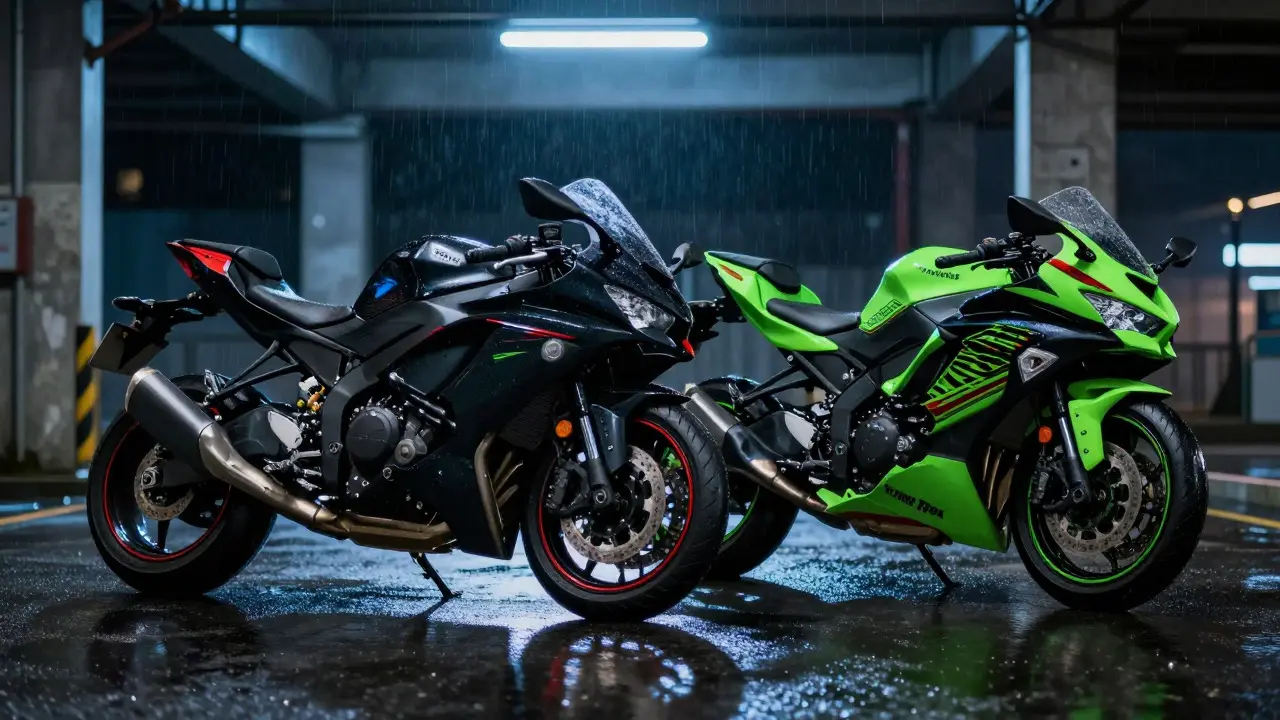
There is a specific feeling you get when you twist the throttle on a middleweight sportbike. It’s not the raw, terrifying power of a superbike, nor is it the relaxed cruising of a standard. It’s that sweet spot where the engine responds instantly, the chassis feels light, and every corner feels like a conversation between you and the road. In 2026, two machines are dominating this conversation: the Yamaha R7 and the a modern, high-revving four-cylinder sportbike designed for agility and precision Kawasaki ZX-4RR. If you are standing in a dealership showroom or scrolling through spec sheets late at night, trying to decide which one belongs in your garage, you are likely torn between proven reliability and cutting-edge performance.
This isn't just about horsepower numbers. It's about how these bikes feel when you're leaning into a tight hairpin on a wet Tuesday morning. The Yamaha R7 has been the benchmark for accessible performance for years, known for its smooth twin-cylinder character. The Kawasaki ZX-4RR, however, has arrived with a different philosophy: more power, sharper electronics, and a price point that makes the premium brands sweat. Let’s break down exactly what separates these two contenders so you can make a decision that fits your riding style, not just your wallet.
Quick Summary / Key Takeaways
- The Kawasaki ZX-4RR offers significantly higher peak power (around 100+ hp) compared to the Yamaha R7's smoother, lower-midrange focused output.
- The Yamaha R7 features a CP2 (Crossplane Crankshaft) engine, providing a unique exhaust note and torque curve that many riders prefer for street riding.
- Kawasaki includes more advanced electronic aids as standard, including multiple ride modes and traction control, whereas the R7 focuses on mechanical simplicity and rider feedback.
- Both bikes use similar chassis geometries, but the ZX-4RR is slightly lighter in overall weight due to material choices, affecting handling dynamics.
- Resale value for the Yamaha R7 remains historically stronger in the UK market due to brand perception and longevity.
Engine Character: Smoothness vs. Snap
When we talk about engines, we aren't just looking at the top-end numbers on a dyno sheet. We are talking about how the bike communicates with you. The Yamaha R7 is powered by a 689cc parallel-twin engine. This isn't your typical commuter twin. It uses a crossplane crankshaft, a design usually reserved for supersport bikes. This setup gives the R7 a firing order that mimics an inline-four, creating a distinct, raspy exhaust note and a surge of torque in the mid-range. You don't need to rev it into the redline to move; you can cruise comfortably at 30mph in third gear without hunting for gears. It’s forgiving, linear, and incredibly easy to live with daily.
On the other hand, the Kawasaki ZX-4RR packs a 399cc four-cylinder engine. While the displacement is smaller, the engineering is denser. This engine revs higher and harder. Where the R7 pulls you forward with muscle, the ZX-4RR pulls you forward with velocity. The four-cylinder layout provides a smoother power delivery at very high RPMs, but it requires more active engagement from the rider. You have to keep the needle in the green zone to extract the best from it. For track days or aggressive canyon carving, this snap is addictive. For city commuting in stop-go traffic, it can feel a bit eager if you’re not careful with the throttle. Both engines are liquid-cooled and feature fuel injection, but the driving experience is fundamentally different. One is a relaxed boxer; the other is a sprinter.
Chassis and Handling Dynamics
A motorcycle is only as good as its frame. Both the Yamaha R7 and the Kawasaki ZX-4RR utilize steel trellis frames, a choice that prioritizes stiffness-to-weight ratio over cost-cutting aluminum. However, the geometry differs slightly. The R7 has a wheelbase that is marginally longer, which translates to greater stability at high speeds and in windy conditions. If you plan to do a lot of motorway touring alongside your weekend fun runs, the R7’s planted feel will put you at ease. It feels like a larger bike than its weight suggests.
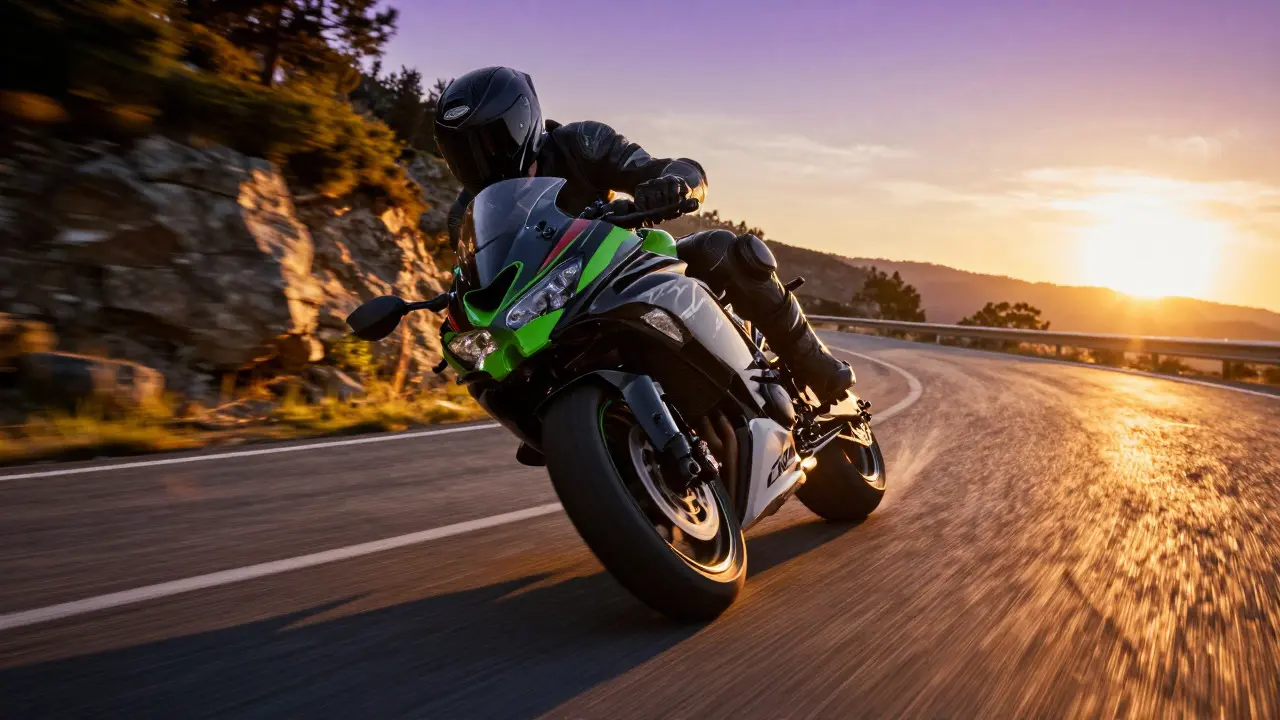
The ZX-4RR, conversely, is tuned for agility. Its steering is sharper, and the front end feels quicker to respond to input. This makes it a weapon in tight, technical corners. The suspension setup on both bikes is adjustable, allowing you to fine-tune the preload and damping. But out of the box, the Kawasaki feels more 'pointy,' while the Yamaha feels more 'planted.' Neither is objectively better; it depends on whether you prioritize stability on long straights or precision in twisties. Both bikes feature dual disc brakes up front, ensuring consistent stopping power regardless of which chassis philosophy you choose.
Electronics and Rider Aids
Technology is where the gap between these two bikes is widening in 2026. The Kawasaki ZX-4RR comes equipped with a suite of electronics that were previously exclusive to much more expensive motorcycles. You get selectable ride modes (Sport, Road, Rain), which adjust throttle response and traction control levels. The traction control itself is sophisticated, monitoring rear wheel slip and intervening before you lose grip. There is also a launch control function, useful if you enjoy racing against friends on closed circuits. The TFT display provides clear, readable data even in bright sunlight, showing you gear position, fuel level, and lap times.
The Yamaha R7 takes a more minimalist approach to electronics. It features a simple LCD dashboard that tells you what you need to know: speed, fuel, and gear. There is no traction control, no ride modes, and no launch control. Is this a bad thing? Not necessarily. Many purists argue that removing electronic interference allows you to develop better skills and feel the bike more directly. The R7 relies on mechanical balance and predictable behavior rather than computer-assisted safety nets. If you are a newer rider, the ZX-4RR’s electronics might offer a safety net. If you are an experienced rider who trusts their own judgment, the R7’s simplicity might be preferable. Both systems serve their purpose, but they cater to different philosophies of riding.
Comparison Table: Specs at a Glance
| Feature | Yamaha R7 | Kawasaki ZX-4RR |
|---|---|---|
| Engine Type | 689cc Parallel Twin | 399cc Inline Four |
| Peak Power | ~73 hp | ~100+ hp |
| Weight (Wet) | ~188 kg | ~175 kg |
| Seat Height | 805 mm | 800 mm |
| Electronic Aids | Basic LCD, No Traction Control | TFT Display, Ride Modes, Traction Control |
| Fuel Tank Capacity | 13.5 Liters | 14.5 Liters |
Cost of Ownership and Resale Value
Buying a motorcycle is only half the story. What happens after you ride it home matters just as much. Maintenance costs for both bikes are relatively low compared to Japanese superbikes, but there are nuances. The Yamaha R7’s twin-cylinder engine has fewer moving parts than the ZX-4RR’s four-cylinder block. This often translates to simpler servicing intervals and potentially lower repair costs if something goes wrong. Spark plugs, valve adjustments, and oil changes are straightforward tasks for any competent mechanic. The ZX-4RR, with its higher-revving four-cylinder engine, may require more frequent attention to ignition components and cooling systems, especially if ridden hard regularly.
Resale value is another critical factor. In the UK market, Yamaha has maintained a strong reputation for holding value. The R7 is a popular first sportbike for many, creating a steady demand in the used market. When you go to sell your R7 in three years, you can expect to retain a significant portion of its original value. The Kawasaki ZX-4RR is newer to the scene, so its long-term resale trajectory is less established. However, given Kawasaki’s growing popularity in the sport segment, it is likely to hold value well. Still, if financial prudence is a major concern, the R7 currently has the edge. Insurance premiums also vary; generally, the R7 may attract slightly lower premiums due to its perceived lower risk profile compared to the higher-powered ZX-4RR, though this depends heavily on your personal riding history and location.
Which Bike Fits Your Riding Style?
So, how do you decide? Ask yourself a few honest questions. Do you ride mostly on public roads with occasional track days? Or do you spend most of your time on winding B-roads? If you value smoothness, ease of use, and a bike that forgives mistakes, the Yamaha R7 is the logical choice. It’s a versatile machine that can handle a commute, a tour, and a spirited weekend run without complaint. It’s the "do-it-all" option that rarely lets you down.
If you crave performance, love the sound of a four-cylinder, and want the latest electronic aids to help you push the limits, the Kawasaki ZX-4RR is the one to beat. It’s faster, lighter, and more technologically advanced. It demands more skill and attention, but it rewards you with a thrilling riding experience. There is no wrong answer here. Both are excellent motorcycles that represent the best of their respective brands. Choose the R7 if you want a partner that is reliable and smooth. Choose the ZX-4RR if you want a tool that is sharp and fast. Whichever you pick, you’ll be getting a bike that defines the current state of middleweight sport riding.
Frequently Asked Questions
Is the Kawasaki ZX-4RR legal for highway use in the UK?
Yes, the Kawasaki ZX-4RR is fully road-legal in the UK. It meets all Euro 5 emission standards required for registration and insurance. You can use it for daily commuting, touring, and track days without any restrictions.
Which bike is better for beginners?
The Yamaha R7 is generally considered more beginner-friendly due to its smoother power delivery and lack of complex electronic interventions. However, the ZX-4RR’s traction control and ride modes can also assist new riders. Ultimately, both are manageable for those with basic riding experience.
How does the fuel economy compare between the two?
The Yamaha R7 typically achieves better fuel economy, averaging around 45-50 mpg depending on riding style. The Kawasaki ZX-4RR, being a higher-revving four-cylinder, may average slightly lower, around 40-45 mpg, especially if ridden aggressively. Real-world figures will vary based on traffic and terrain.
Do these bikes come with ABS as standard?
Yes, both the Yamaha R7 and the Kawasaki ZX-4RR come with dual-channel Anti-lock Braking System (ABS) as standard equipment. This is mandatory for new motorcycles sold in the UK and enhances safety in emergency braking situations.
Can I fit aftermarket exhausts on either bike?
Yes, both bikes support aftermarket exhaust systems. Popular brands like Akrapovic and SC Project offer options for both models. Fitting an aftermarket exhaust can improve the sound and reduce weight, but ensure the system is ECE certified to remain road-legal in the UK.