
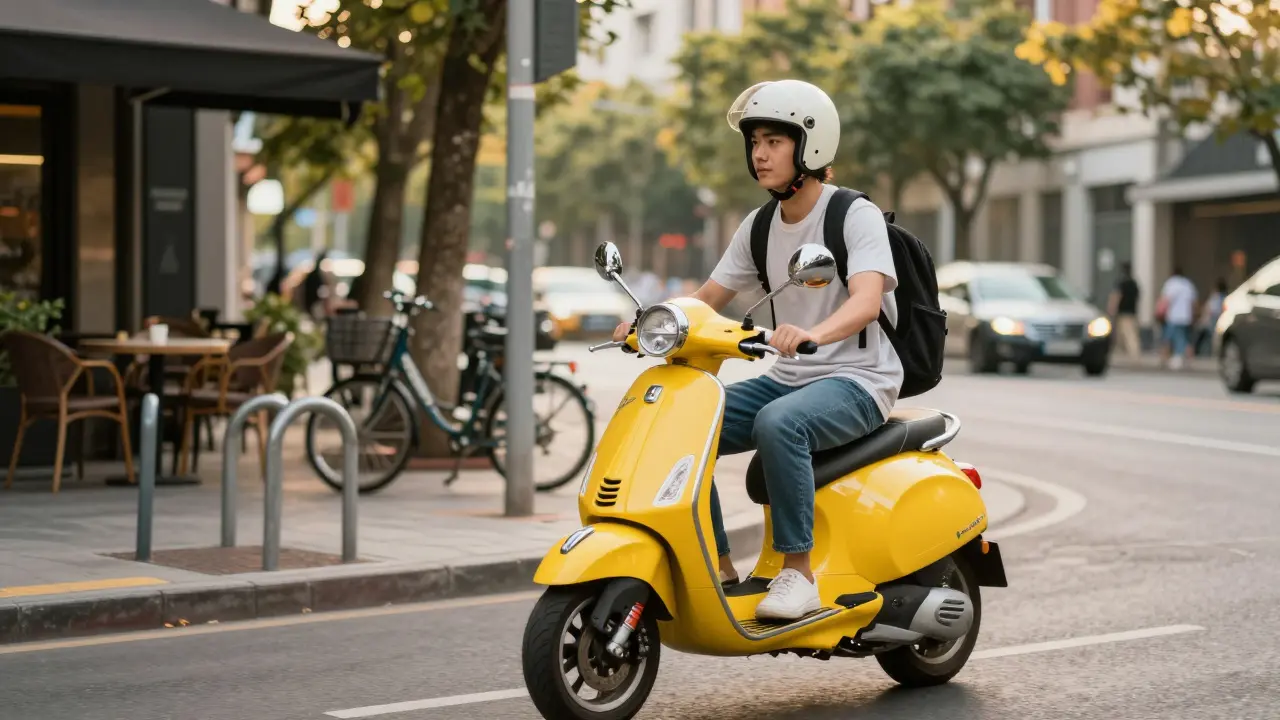
More young people are buying motorcycles than ever before-but not the way you might think. Forget the image of rebellious teens on choppers. Today’s new riders are 19-year-old college students commuting to class on electric scooters, 24-year-old nurses riding dual-sports to save on gas, and 27-year-old parents using compact cruisers for weekend escapes. They’re not chasing rebellion. They’re chasing practicality, value, and control.
Who Are Today’s Young Riders?
In 2025, riders under 30 made up 38% of all new motorcycle purchases in the UK and US combined. That’s up from 22% in 2018. The biggest growth? Among women and non-binary riders, who now account for nearly half of all new riders under 25. They’re not buying Harley-Davidsons. They’re buying Yamaha MT-07s, Honda CB500Xs, and Vespa Primavera scooters. These bikes are lightweight, affordable, and easy to ride. They don’t need a garage. They don’t need a crew.
Gen Z riders (born 1997-2012) care about three things: cost, safety, and sustainability. A 2024 survey by the Motorcycle Industry Council found that 68% of new riders under 25 said fuel efficiency was their top priority. Only 12% mentioned engine sound. That’s a 40-point drop from 2015. They’re also 2.3 times more likely to choose a bike with ABS and traction control than riders over 40.
Why They’re Not Buying Traditional Motorcycles
Big, heavy, expensive bikes are losing ground. A 1,200cc cruiser with a $15,000 price tag doesn’t fit the life of a 21-year-old working two part-time jobs and paying rent in London. They’re not looking for status symbols. They’re looking for tools.
Take the Honda Grom. It’s a 125cc bike that costs under $4,000. It’s got a low seat height, automatic clutch, and gets 100+ mpg. In 2024, over 12,000 Groms were sold in the UK alone-more than the entire Ducati Monster lineup. Why? Because it’s the only bike a student can afford to insure, park, and fix themselves.
Even the big brands are noticing. Kawasaki launched the Z125 Pro in 2023. Yamaha’s PW50, once just a kids’ toy, now has a 2025 model with a digital dashboard and smartphone connectivity. These aren’t toys. They’re entry points.
Where Young Riders Are Finding Bikes
They’re not going to dealerships. They’re scrolling TikTok. They’re watching YouTube reviews from riders their age. They’re joining Facebook groups like “Urban Riders UK” or “E-Bike Commuters London.” They read blogs written by real people-not marketers.
A 2025 study by Motorrad Insights found that 74% of new riders under 25 made their first purchase after watching a video review. Only 11% said a salesperson influenced them. That’s a massive shift. Dealerships that still push high-pressure financing or try to upsell a $12,000 bike to a 19-year-old are losing customers before they even walk in.
Instead, successful brands are partnering with micro-influencers-people with 5,000 to 50,000 followers who ride the same bikes their audience can afford. A video titled “My First Bike: How I Bought a Used Honda CB500F for £2,100” got 2.3 million views. It didn’t mention the dealer’s name. It showed the bike, the price, the paperwork, and the first ride. That’s what works.
What Young Riders Actually Want
It’s not about horsepower. It’s about freedom with limits. Here’s what they’re asking for:
- Low upfront cost - Under £4,000 is the sweet spot. Most are paying cash or using 0% finance over 12 months.
- Easy maintenance - They want bikes they can fix with YouTube and a £15 tool kit. Chain-driven bikes are out. Belt or shaft drives are in.
- Smart features - Bluetooth connectivity, app-based diagnostics, and GPS tracking matter more than chrome.
- Insurance affordability - A £200-a-year policy is the baseline. Anything over £500 is a deal-breaker.
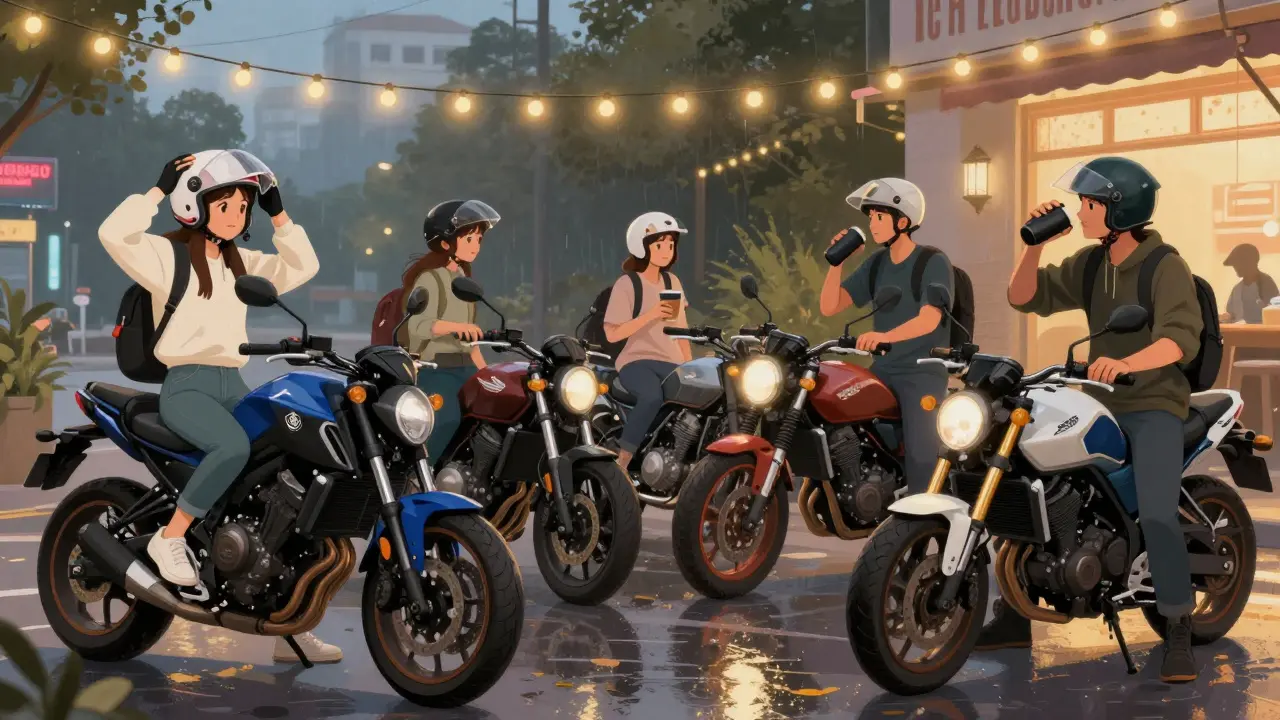
- Community - They don’t want to ride alone. They want group rides, meetups, and safe training programs.
Brands that ignore this are falling behind. Triumph’s new Speed Twin 400, launched in late 2024, targets this exact group. It’s 398cc, weighs under 190kg, starts at £5,999, and comes with a free year of insurance through a partner. Sales jumped 140% in six months. That’s not luck. That’s listening.
How to Attract Them
If you’re a dealer, manufacturer, or rider group trying to bring in new riders, here’s what actually works:
- Stop selling bikes. Start selling access. Offer a “Ride First” program: £50 for a 2-hour lesson and a test ride on a beginner-friendly bike. No pressure. No finance pitch.
- Partner with colleges and workplaces. Offer discounted group rates for students and employees. Many universities now have motorcycle clubs with sponsored training.
- Build a YouTube or TikTok channel with real riders. Show how to clean a chain, change a tire, or find cheap parking. No fancy lighting. No music. Just real people doing real things.
- Make insurance easy. Work with insurers to create a £199/year “New Rider” plan. Include helmet discount codes and free safety gear.
- Host free weekend rides. Pick a scenic route. Provide helmets. No sales pitch. Just coffee and conversation after.
One dealer in Bristol started a “Ride to Work” initiative. They loaned out 20 used Yamaha NIKENs for a month to employees of nearby tech companies. No deposit. Just a signed safety waiver. 87% of participants bought a bike after the trial. One woman, a 23-year-old software engineer, said: “I didn’t know I wanted a motorcycle until I rode one to the office. Now I won’t go back to the bus.”
The Future Is Small, Smart, and Shared
The motorcycle industry isn’t dying. It’s changing. The old model-big bikes, big money, big ego-is fading. The new model is quiet, efficient, and community-driven.
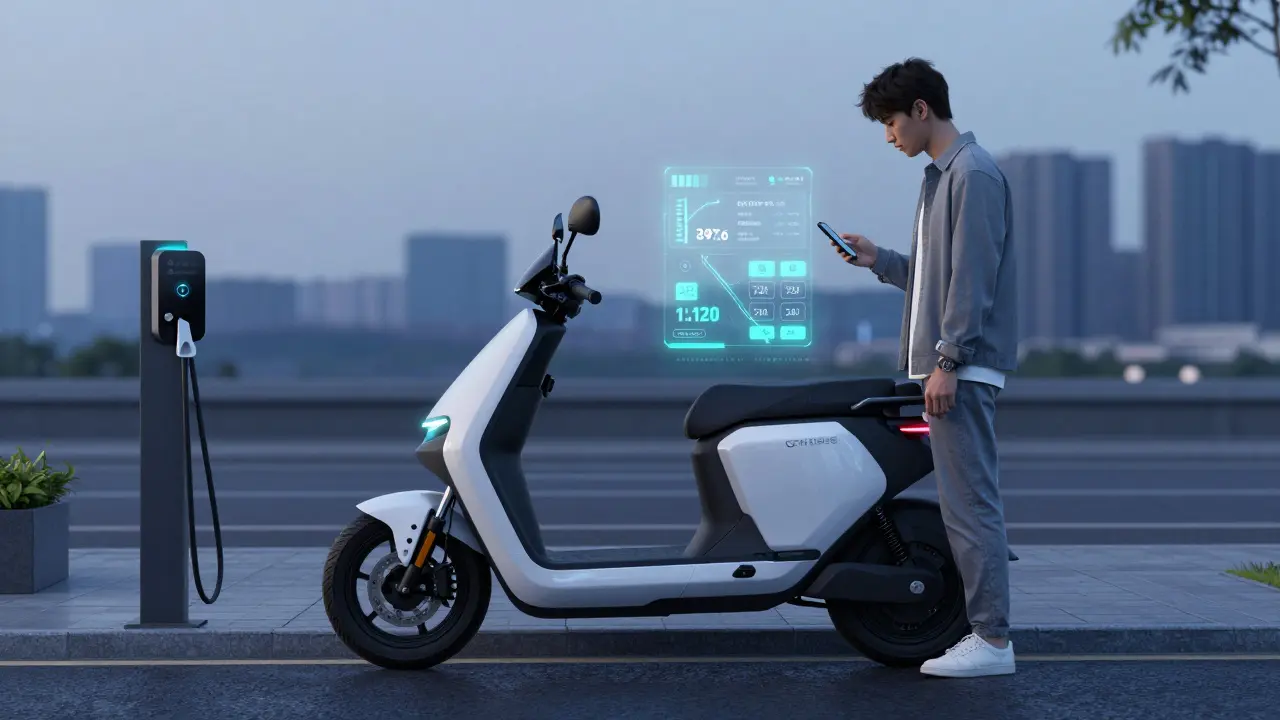
By 2030, electric motorcycles will make up 45% of new sales under 25. Companies like Zero, NIU, and even Honda are launching models under £5,000 with removable batteries. You charge them at home. You ride them to the café. You park them on the sidewalk.
This isn’t just about bikes. It’s about redefining what riding means. For young riders, it’s not about escaping life. It’s about making life better.
Frequently Asked Questions
Why are young people choosing scooters over motorcycles?
Scooters are easier to ride, cheaper to insure, and simpler to park. Most new riders under 25 live in cities and need something that fits in tight spaces and doesn’t require a license upgrade. Scooters like the Vespa Primavera or Honda PCX can be ridden on a car license in the UK with a CBT. They’re also more fuel-efficient and have lower maintenance costs.
Are electric motorcycles safe for beginners?
Yes-often safer than gas bikes. Electric motors deliver smooth, predictable power without the sudden torque of a combustion engine. Most models come with ABS, traction control, and regenerative braking as standard. Brands like Zero and NIU also include app-based rider modes that limit speed and power for new riders.
How much should a beginner expect to spend on their first bike?
Between £2,000 and £4,500 for a used or new entry-level bike. That includes the bike, insurance, helmet, and basic gear. Many dealers now offer starter packages that bundle all of this. Avoid spending over £5,000 on your first bike unless you’re certain you’ll ride regularly.
Do I need a full motorcycle license to ride a 125cc bike?
No. In the UK, you can ride a 125cc bike with a CBT (Compulsory Basic Training), which takes one day and costs around £150. You must renew it every two years if you don’t get a full license. For bikes over 125cc, you need a full A1 or A2 license.
Why are young riders choosing used bikes?
Used bikes are significantly cheaper and less risky. A 3-year-old Honda CB500F can cost £3,500 with low mileage and full service history. That’s half the price of a new one. Plus, if you scratch a used bike, it’s not a heartbreak. Many dealers now offer certified pre-owned programs with warranties-just like cars.
Next Steps for New Riders
If you’re thinking about riding, start here:
- Take a CBT course-it’s the law and the best way to learn safely.
- Join a local rider group on Facebook or Meetup. Ask for advice on used bikes.
- Test ride at least three different models. Don’t buy the first one you see.
- Buy a helmet and jacket you can afford. Don’t skip gear.
- Don’t rush to upgrade. Ride your first bike for a year. You’ll learn what you really want.
If you’re a brand or dealer: stop selling motorcycles. Start building a community. Offer real value. Listen. The next generation of riders isn’t waiting for you to catch up. They’re already riding-and they’re ready to bring others with them.
Comments
Sumit SM
So we’re just gonna ignore the fact that this whole shift is a direct result of climate anxiety meeting student debt? Young people aren’t choosing scooters because they’re cool-they’re choosing them because the planet’s on fire and their bank account’s on life support. And honestly? That’s the most honest form of rebellion there is.
January 18, 2026 at 10:36
Jen Deschambeault
I bought my first bike last year-a used Yamaha MT-07. I’m a nurse, work 12-hour shifts, and it’s the only thing that makes me feel like I’m still alive after a double. No drama. Just wind and silence. Best decision I ever made.
January 18, 2026 at 17:43
Kayla Ellsworth
Wow. So the entire motorcycle industry is now just a marketing campaign for Gen Z’s emotional support scooters? Next they’ll be selling helmets with built-in therapy apps. And don’t get me started on ‘community’-I’ve seen these Facebook groups. It’s just 300 people posting the same three photos of their Groms with coffee cups and sunsets. It’s not a movement. It’s a mood board.
January 19, 2026 at 18:22
Soham Dhruv
my dude the grom is a godsend. i got mine for 2k on fb marketplace, fixed the chain myself with a 10 dollar tool set, and now i ride to the gas station like a boss. no insurance drama, no garage needed. just me, the road, and my phone playing lofi. best thing since sliced bread
January 21, 2026 at 02:01
Bob Buthune
I’ve been riding for 20 years. I’ve owned a Ducati, a Harley, a BMW. I’ve bled on tarmac. I’ve screamed into the wind. And now? Now we’re celebrating 125cc scooters with Bluetooth and app diagnostics like they’re the second coming. Where’s the soul? Where’s the danger? Where’s the risk? This isn’t riding. This is urban transportation with a helmet. They’re not riders. They’re commuters with a fetish for torque curves. And don’t even get me started on the electric nonsense-silent bikes are just ghosts on wheels. You don’t hear them coming. You don’t feel them. You just get startled when they glide past like a ghost in a Tesla.
January 21, 2026 at 20:27
Jane San Miguel
It’s fascinating how the commodification of ‘authenticity’ has been so thoroughly co-opted by corporate marketing. The very language used to describe these riders-‘community,’ ‘freedom with limits,’ ‘smart features’-is straight out of a McKinsey slide deck. This isn’t cultural evolution; it’s behavioral targeting perfected. The motorcycle industry didn’t adapt to Gen Z. It engineered them.
January 23, 2026 at 07:18
Kasey Drymalla
theyre all being brainwashed by big scooter. why else would everyone suddenly want a 4000 dollar electric bike? the government is pushing this. they want to track you. every bike has a chip. every ride is logged. next thing you know theyll ban gas bikes and make you pay to ride on the sidewalk. its all a setup. dont trust the grom. dont trust the app. dont trust the helmet with bluetooth. its all surveillance
January 23, 2026 at 12:25
Dave Sumner Smith
you think this is about affordability? think again. the real reason young people are buying small bikes is because the DMV made it easier to get a license without a full test. they’re skipping the real training. they’re riding without experience. and now the insurance companies are making it cheap so they can keep selling policies to kids who don’t know how to brake. this isn’t progress. it’s a ticking time bomb waiting for the first fatality that makes headlines
January 25, 2026 at 10:09
Cait Sporleder
What we’re witnessing here is not merely a demographic shift in transportation preference, but a profound epistemological realignment in the relationship between individual autonomy and institutional infrastructure. The decline of the combustion engine as a symbol of personal freedom is being replaced by a new paradigm: one in which technological accessibility, economic prudence, and ecological consciousness converge to form a post-individualistic ethos of mobility. The motorcycle, once a vessel of existential defiance, has been reconfigured into a node within a networked system of sustainable urban logistics-rendering the romanticized notion of the lone rider an anachronism. One might even argue that the true rebellion now lies not in the roar of the engine, but in the quiet, deliberate choice to opt out of consumerist excess.
January 27, 2026 at 04:45
Paul Timms
This is the most realistic take on the future of riding I’ve seen in years. No fluff. Just facts. Well done.
January 28, 2026 at 21:38
Jeroen Post
They say the industry is changing but they never mention the real elephant in the room: the government is pushing electric because they want to control fuel distribution. Electric bikes need charging stations. Charging stations need infrastructure. Infrastructure needs permits. Permits need oversight. Oversight means surveillance. You think they let you charge your bike anywhere? They’re mapping every ride. Every stop. Every battery swap. This isn’t freedom. It’s compliance with a charger
January 30, 2026 at 12:53