
Have you ever watched a teenager stare at a car with that specific look of longing? It’s not just about wanting to drive. It’s about the machine itself-the engineering, the speed, the culture surrounding it. But here is the problem: getting young people involved in Youth Automotive Programs is structured initiatives designed to engage teenagers and young adults in vehicle maintenance, driving safety, and automotive culture has become harder than ever. Between rising costs, stricter insurance laws, and a generation raised on video games rather than wrenches, the pipeline of new enthusiasts is drying up.
If we want to keep auto culture is the social phenomenon centered around the appreciation, modification, and collection of automobiles alive, we need to bridge this gap. This isn't just about saving car shows; it's about teaching valuable mechanical skills, road safety, and community responsibility. So, how do we actually get kids behind the wheel-or under the hood-today?
The Shift from Driveway Mechanics to Digital Engagement
Growing up in Bristol, I remember neighbors who taught their kids to change oil before they could drive. That era is largely gone. Today’s youth are digital natives. They know more about virtual cars in Forza Horizon is a popular open-world racing video game series developed by Playground Games than they do about spark plugs. This isn't a bad thing. In fact, it’s our entry point.
Modern sim racing is computer-generated simulations of automobile racing using specialized hardware like steering wheels and pedals has exploded in popularity. Many successful youth automotive programs now start with simulators. Why? Because it lowers the barrier to entry. A real car costs thousands; a decent rig costs a few hundred. Sim racing teaches track awareness, braking points, and vehicle dynamics without the risk of total loss.
Programs like iRacing is an online motorsport simulation platform used by both amateur and professional racers or Assetto Corsa is a realistic racing simulator known for its physics engine and modding community allow young people to compete globally. The key for organizers is to transition these digital skills into real-world knowledge. When a teen understands why a car oversteers in a game, explaining tire pressure and suspension geometry in real life becomes much easier.
Mechanical Skills: Hands-On Learning Opportunities
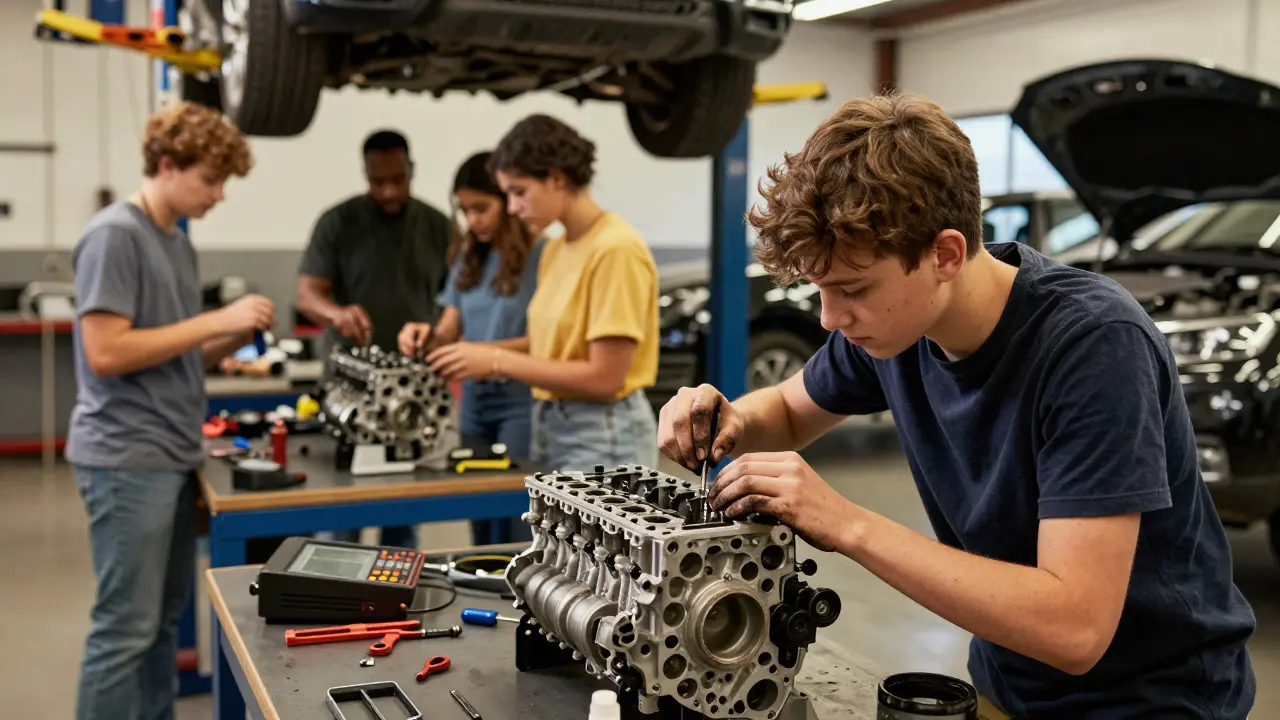
Digital skills are great, but grease under the fingernails is irreplaceable. Mechanical literacy is a dying art, and reviving it requires structured, safe environments. Traditional apprenticeships often require being older or having prior experience, creating a catch-22 for beginners.
This is where organizations like Young Engineers is a UK-based organization offering STEM workshops and mechanical skills training for young people step in. They provide access to tools and mentors. For parents and educators, the goal is to find local workshops that focus on basic maintenance first. Changing brake pads, rotating tires, and understanding battery terminals are foundational skills.
Consider the impact of ASE Education Foundation is a non-profit organization promoting career opportunities in the automotive service industry through education. In the US, they offer resources that help high schools integrate automotive technology into their curriculum. These aren't just vocational classes; they are engineering introductions. Students learn about electrical systems, diagnostics, and even hybrid/electric vehicle (EV) architecture. Understanding an EV's high-voltage system is just as critical today as knowing how to tune a carburetor was thirty years ago.
Safety First: Defensive Driving Courses
Let’s address the elephant in the room: insurance premiums. Young drivers pay some of the highest rates because statistics show higher accident rates. However, data also shows that trained drivers are safer. This creates a perfect incentive structure for defensive driving courses are training programs designed to teach drivers how to anticipate hazards and avoid accidents.
Many youth automotive programs partner with certified instructors to offer discounted or free defensive driving lessons. These courses go beyond the basics of stopping at red lights. They cover skid control, blind spot management, and night driving. In the UK, for example, the Pass Plus is a government-backed course for newly qualified drivers to improve their skills and reduce insurance costs scheme provides additional training that can lead to lower insurance quotes. This tangible financial benefit makes the program attractive to both teens and their parents.
Furthermore, safety extends to track days. Organizations like Track Day Club is a membership organization providing access to race tracks for personal vehicles often have junior categories. These events mandate helmets, roll cages, and pre-event inspections. They teach respect for the machine and the environment. A controlled crash in a simulator or a gentle spin on a closed track is a lesson learned without tragedy.

Community Building: Car Clubs and Social Media
Auto culture is inherently social. It’s about sharing passion, swapping parts, and showing off projects. For young people, isolation can be a major hurdle. Joining a community provides mentorship and accountability.
Traditional car clubs can sometimes feel unwelcoming to newcomers, especially younger ones. Newer groups are forming specifically to bridge this gap. Look for clubs that emphasize "project cars" over pristine classics. A beat-up hatchback that a teen is learning to fix is more valuable to a youth program than a museum-quality Ferrari. Groups like Hoonigan is a media brand and community focused on grassroots motorsports and car culture have successfully engaged younger demographics by focusing on accessibility and fun rather than exclusivity.
Social media plays a huge role here. Platforms like Instagram and TikTok are where modern car culture lives. Encouraging young participants to document their builds-warts and all-creates a portfolio of their progress. It also connects them with a global audience. A kid in Bristol fixing a Ford Fiesta can share tips with a peer in Texas working on a Mustang. This digital connection reinforces the real-world work.
Funding and Accessibility: Breaking Down Barriers
The biggest obstacle remains cost. Cars are expensive. Tools are expensive. Insurance is expensive. To make youth automotive programs viable, funding models must be creative.
Sponsorships from local garages and parts suppliers are essential. A local mechanic might donate old filters or fluids for a workshop in exchange for exposure. Schools can apply for grants focused on STEM (Science, Technology, Engineering, Math) education, framing automotive tech as applied engineering. In many regions, government bodies offer subsidies for vocational training that leads to certified employment.
Another approach is the "shared resource" model. Instead of every student needing their own set of tools, the program invests in a communal toolkit. This reduces individual costs significantly. Additionally, focusing on affordable platforms-like older Japanese imports or European hatchbacks-keeps project costs manageable. A Honda Civic or a VW Golf is cheap to buy, easy to find parts for, and widely supported by online communities.
| Program Type | Primary Focus | Cost Level | Skill Outcome |
|---|---|---|---|
| Sim Racing Leagues | Vehicle Dynamics & Strategy | Low-Medium | Track Awareness, Reaction Time |
| Vocational Workshops | Mechanical Repair & Diagnostics | Medium-High | Hands-on Technical Skills |
| Defensive Driving Courses | Road Safety & Hazard Avoidance | Low | Safe Driving Habits, Insurance Discounts |
| Project Car Clubs | Restoration & Modification | Variable | Problem Solving, Community Engagement |
The Future: Electric Vehicles and Sustainability
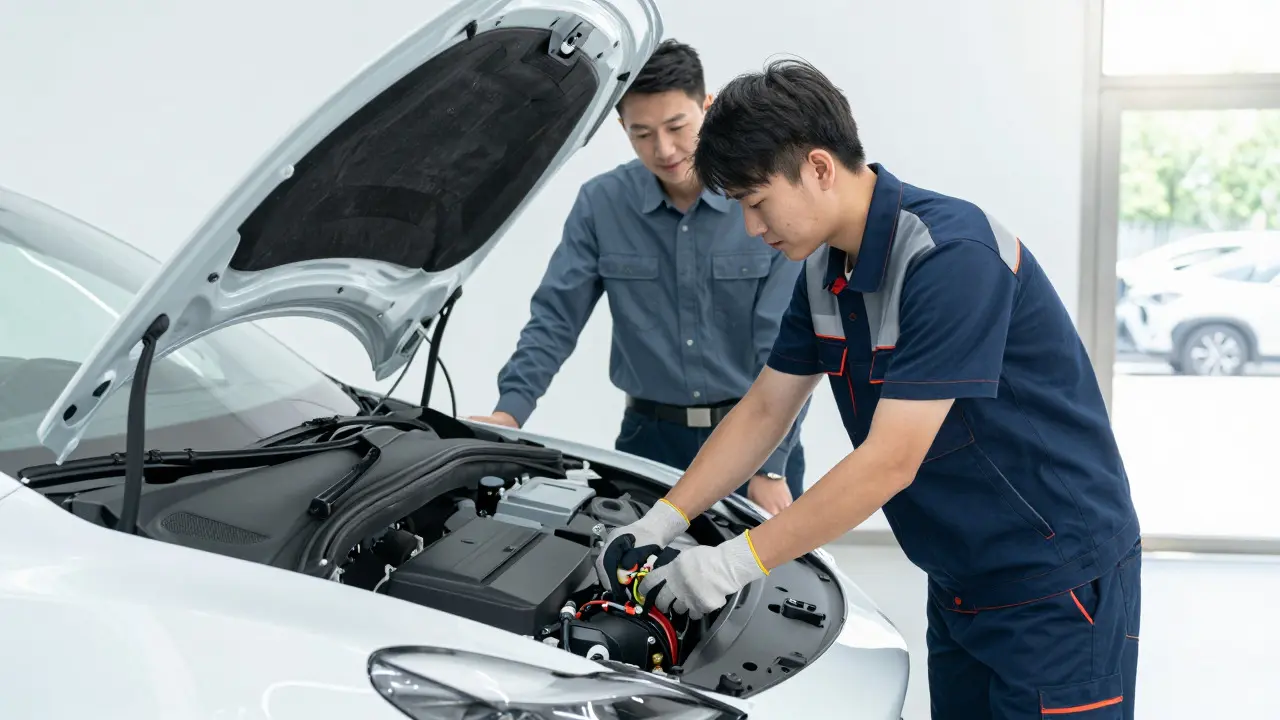
We cannot talk about the future of automotive programs without addressing electrification. The industry is shifting. If we only teach internal combustion engine (ICE) repair, we are preparing students for a shrinking job market. Modern youth programs must include EV fundamentals.
Understanding battery chemistry, regenerative braking, and high-voltage safety is crucial. Organizations like Electrify Europe is an association promoting electric mobility and charging infrastructure across Europe and similar bodies in other regions are pushing for standardized training. Schools that integrate EV modules into their automotive curricula will produce graduates who are ready for the next decade of transportation.
Moreover, sustainability is a value held strongly by younger generations. Framing automotive enthusiasm as part of the green transition-through efficient driving techniques, lightweight modifications, and EV adoption-resonates with them. It changes the narrative from "polluting hobby" to "engineering solution."
Getting Started: A Checklist for Parents and Educators
If you want to get a young person involved, start small. Here is a practical path forward:
- Assess Interest: Do they like racing games? Suggest a sim rig. Do they like taking things apart? Start with a broken appliance or a lawnmower engine.
- Find Local Resources: Search for community colleges, trade schools, or local car clubs that welcome juniors. Ask questions about age restrictions and supervision policies.
- Prioritize Safety Gear: Invest in good gloves, safety glasses, and a fire extinguisher early on. Safety culture starts with equipment.
- Encourage Documentation: Help them start a blog or social media account dedicated to their projects. This builds confidence and a network.
- Connect with Mentors: Find someone experienced who enjoys teaching. A good mentor can prevent costly mistakes and keep enthusiasm high during frustrating repairs.
Engaging young people in automotive programs is not just about preserving a hobby. It’s about fostering independence, technical competence, and safe decision-making. Whether they end up as professional mechanics, engineers, or just knowledgeable owners, the skills they gain will serve them well beyond the garage door.
What is the best age to start a youth automotive program?
Most programs accept participants starting at age 14-16, depending on local laws regarding tool usage and driving. Sim racing can start earlier, around age 10-12, as it poses no physical risk. Vocational training typically begins at 16 when students can legally enter apprenticeships or part-time work.
Are there free youth automotive programs available?
Yes, many community centers, libraries, and non-profits offer free workshops. Additionally, some car manufacturers sponsor youth driving academies or mechanical scholarships. Check with local trade unions and educational institutions for grant-funded opportunities.
How can sim racing translate to real-world driving skills?
Sim racing improves reaction times, spatial awareness, and understanding of vehicle limits. While muscle memory differs slightly due to force feedback variations, the cognitive aspects of racing line selection, braking zones, and hazard prediction transfer directly to real cars.
Is it safe for teenagers to work on electric vehicles?
Only with proper training and certification. EVs contain high-voltage systems that can be dangerous. Reputable youth programs ensure students complete specific EV safety courses and use insulated tools before touching any high-voltage components.
What are the career prospects for young people interested in automotive tech?
The demand for skilled automotive technicians, especially those proficient in EV and hybrid systems, is growing. Careers range from dealership service roles to specialized engineering positions in autonomous driving and battery technology. Salaries vary by region but generally offer stable, above-average income potential.