
When your car’s check engine light comes on, it’s not a mystery—it’s a car diagnostic, a system that reads error signals from your vehicle’s computer to identify mechanical or electronic issues. Also known as vehicle diagnostics, it’s the fastest way to stop guessing and start fixing. Modern cars, especially 2018 models, have dozens of sensors tracking everything from fuel mix to exhaust flow. When one goes out of range, the onboard computer logs a code—and that’s where car diagnostic tools step in.
Most people think a mechanic is the only one who can read these codes, but that’s not true. A simple OBD2 scanner, a plug-in device that connects to your car’s diagnostic port and pulls error codes from the engine control unit costs less than $30 and works on every car made after 1996. You don’t need to be an engineer. Plug it in, turn the key, and you’ll see codes like P0171 (fuel system too lean) or P0420 (catalytic converter efficiency low). These aren’t random—they point to real, fixable problems. The right tool turns panic into action.
But reading the code is just the first step. What matters is knowing what it means. A code doesn’t tell you to replace the whole sensor—it tells you something in that system is off. Maybe it’s a loose gas cap, a dirty air filter, or a failing oxygen sensor. That’s why diagnostic codes, standardized error identifiers used by car manufacturers to flag issues in the engine, transmission, or emissions systems need context. Some codes are simple fixes you can do yourself. Others mean it’s time to see a pro. Either way, knowing the code saves you from being overcharged for unnecessary repairs.
And it’s not just about the check engine light. Modern cars also warn you with strange noises, vibrations, or warning icons. A shaking steering wheel? That’s often linked to tire balance or brake rotors. A rough idle? Could be spark plugs or a vacuum leak. These symptoms all tie back to the same diagnostic system. The more you understand how the system works, the less you’re at the mercy of shop estimates.
You’ll find posts here that show you how to use a scanner, decode common error messages, and spot the difference between a fake problem and a real one. Some guides walk you through fixing common issues like faulty oxygen sensors or mass airflow meters. Others explain why a code might appear even when nothing feels wrong—like when a loose gas cap triggers the same code as a failing fuel pump. You’ll also see how diagnostic tools help when you’re buying a used car. A clean scan can prove a car’s been well-maintained—or reveal hidden damage a seller won’t mention.
Car diagnostic isn’t magic. It’s data. And data, when you know how to read it, puts power back in your hands. Whether you’re a weekend tinkerer or just want to avoid getting ripped off at the shop, knowing how to use these tools makes you a smarter, safer driver. The posts below give you the exact steps, tools, and tips to make sense of your car’s warnings—no jargon, no fluff, just what works.
Posted by
Liana Harrow
14 Comments
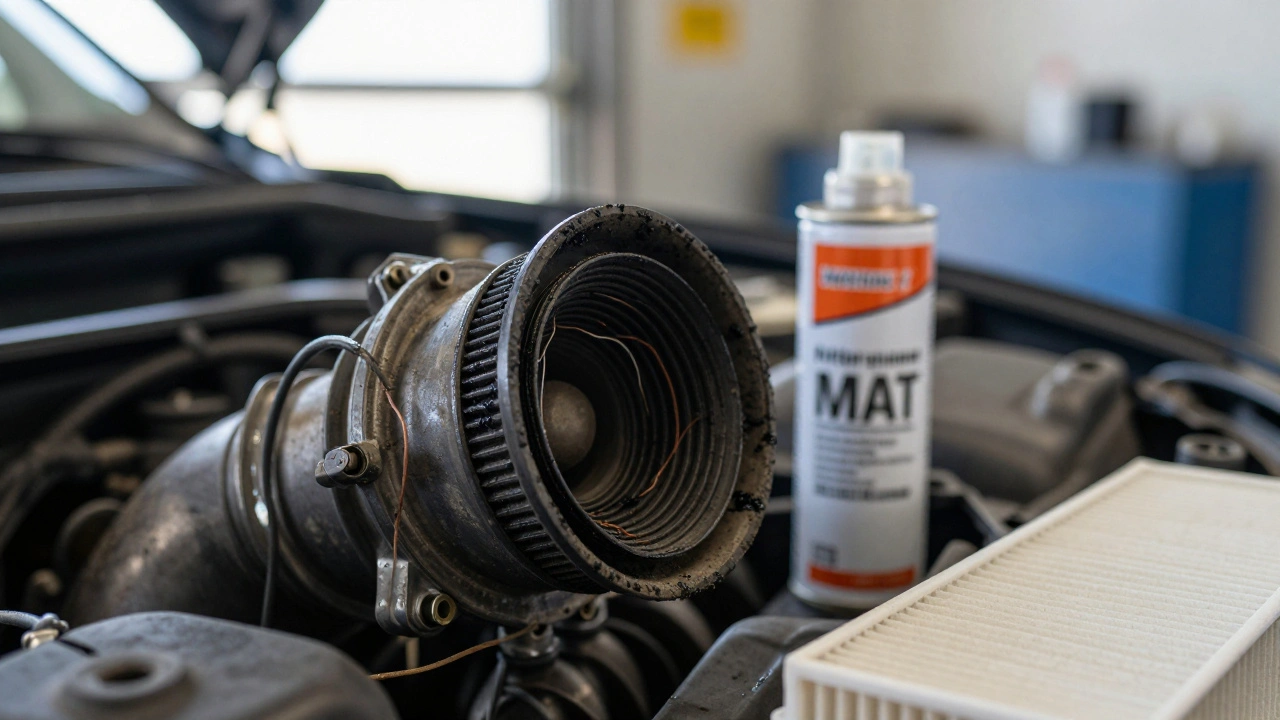
Learn how to tell the difference between a failing mass airflow sensor and a bad O2 sensor. Diagnose engine problems accurately and avoid costly mistakes with this step-by-step guide.
read more