
When your car seats start to look worn, torn, or stained, it’s not just about looks—it’s about comfort, resale value, and daily comfort. Car fabric replacement, the process of removing damaged upholstery and installing new fabric or leather to restore seating surfaces. Also known as upholstery repair, it’s one of the most cost-effective ways to give an older car a fresh feel without buying new. You don’t need to replace the whole seat. Often, just fixing the driver’s side or re-covering the backrest is enough to make your ride feel new again.
Many people assume car fabric replacement means hiring a shop and spending hundreds, but that’s not always true. For common issues like small rips, fading, or loose stitching, you can do it yourself with a kit from any auto parts store. The key is matching the fabric type—whether it’s polyester blend, vinyl-coated cloth, or woven microfiber—so it lasts. If you’ve got a 2018 model, chances are the original fabric is still available through OEM suppliers or aftermarket brands like WeatherTech or Katzkin. What matters most is the durability of the material. Some fabrics look great at first but pill or tear after six months. Look for ones rated for UV resistance and high abrasion, especially if you live in a sunny area or have kids or pets.
It’s not just about the fabric, though. Underneath the surface, the foam padding can break down over time, making seats feel flat or lumpy. That’s why some full upholstery jobs include replacing the seat core. If your seat feels like a beanbag, it’s not the fabric—it’s the stuffing. And if you’re restoring a classic or a high-mileage 2018 car, you might also need to check the seat frames for rust or bent wires. A good repair isn’t just about covering up damage—it’s about fixing what’s hidden.
Car fabric replacement also ties into other interior upgrades. If you’re redoing the seats, you might as well clean the carpet, replace the door panel inserts, or fix the headliner. These are all parts of the same system. People who do one often end up doing more. And if you’re planning to sell your car later, a well-repaired interior can add thousands to the resale value. Buyers notice when the seats look like they’ve been lived in—and they’ll pay less for it.
There’s no one-size-fits-all fix. A truck owner might need heavy-duty canvas, while a sedan driver might prefer a soft, stain-resistant fabric. Some people go for leather look-alikes that mimic real leather without the cost. Others stick with factory-spec material to keep warranties intact. The tools you need are simple: a staple gun, trim removal tools, scissors, and patience. YouTube has step-by-step guides for almost every 2018 model. You don’t need to be a mechanic. You just need to be willing to take your time.
What you’ll find below are real stories from people who’ve tackled car fabric replacement themselves. From fixing a torn driver’s seat on a Honda Civic to reupholstering the entire cabin of a Ford F-150, these posts cover the mistakes to avoid, the products that actually hold up, and how much you can really save by doing it right. Whether you’re looking for a quick patch or a full interior overhaul, there’s a guide here that matches your situation.
Posted by
Liana Harrow
0 Comments
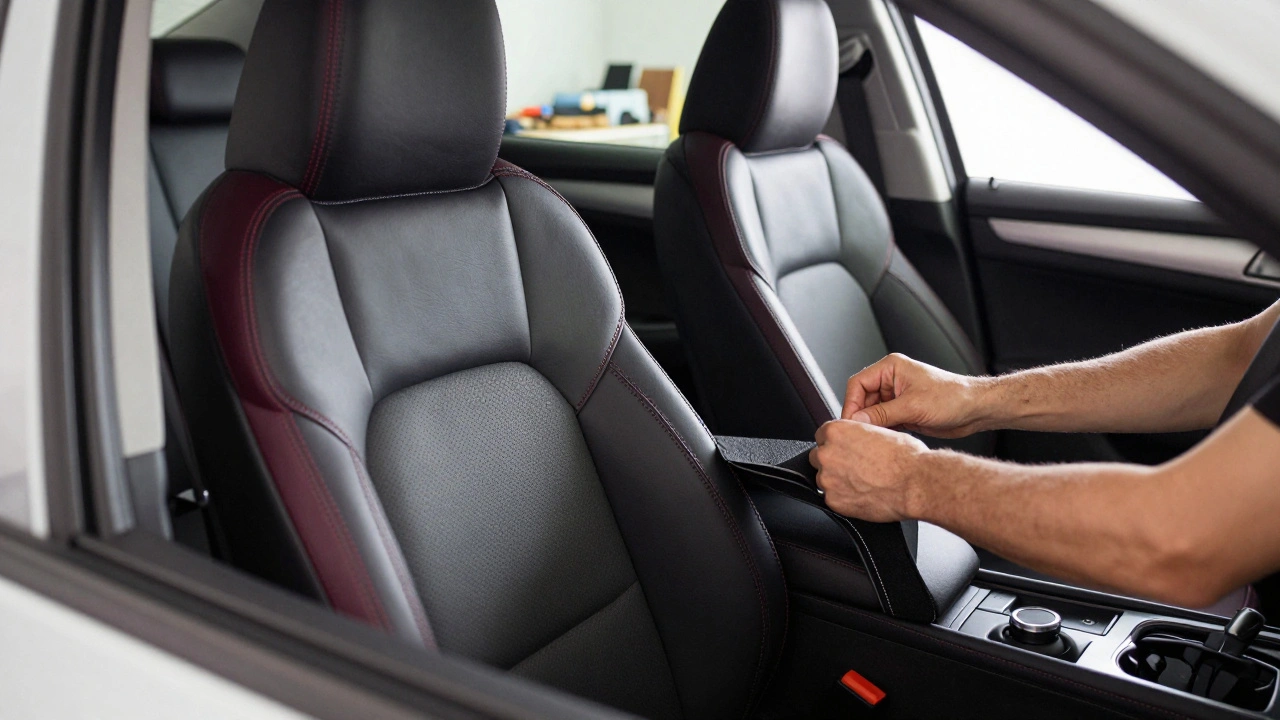
Learn how to upgrade your car's interior with seats, panels, trim, and fabrics for a premium feel without buying a new vehicle. Practical tips, costs, and trusted UK suppliers.
read more