
When you finance a car, the car loan APR, the total cost of borrowing money for a vehicle, including interest and fees, expressed as a yearly rate. Also known as annual percentage rate, it’s not just the interest rate—it’s what actually determines how much you pay over time. Many people think a low monthly payment means a good deal, but a high APR can turn that easy payment into a long, expensive burden. A 5% APR on a $20,000 loan saves you over $2,000 compared to a 9% APR over five years. That’s not a small difference—it’s cash you can put toward gas, maintenance, or even a down payment on your next car.
Credit score, a three-digit number that tells lenders how risky you are to lend money to is the biggest factor in your APR. Someone with a 750 score might get 3.5%, while someone with a 620 score could pay 12% or more. It’s not fair, but it’s real. Your down payment matters too—putting down 20% can drop your rate by a full point or two. And don’t forget loan term, how long you have to pay back the loan. A 72-month loan might look better on paper, but you’ll pay more in interest than if you took 48 months. Longer terms spread the cost, but they also mean you’re paying for the car long after it’s worth what you paid.
Lenders don’t just look at your credit—they check your income, existing debt, and even the type of car you’re buying. Used cars often carry higher APRs than new ones, even if they’re only a few years old. And don’t be fooled by zero-percent financing ads—those are usually only for buyers with top-tier credit and come with strings attached. The best way to know what you qualify for is to get pre-approved from a bank or credit union before stepping onto a lot. That way, you’re not at the mercy of the finance manager’s numbers.
There’s no magic trick to lowering your APR, but there are clear steps: fix your credit report, save for a bigger down payment, shorten your term if you can afford it, and shop around. Don’t take the first offer. Compare at least three lenders. Even a half-point difference adds up over time. And if you’ve got a 2018 car in mind, remember—this isn’t just about the sticker price. It’s about the full cost of ownership, and your APR is a huge part of that.
Below, you’ll find real advice from people who’ve been through this—how to read loan documents, what fees to question, and how to avoid being upsold on extended warranties or gap insurance that don’t add value. These aren’t theory pieces. They’re the kind of tips that save you hundreds, sometimes thousands, when you’re buying a car on credit.
Posted by
Liana Harrow
11 Comments
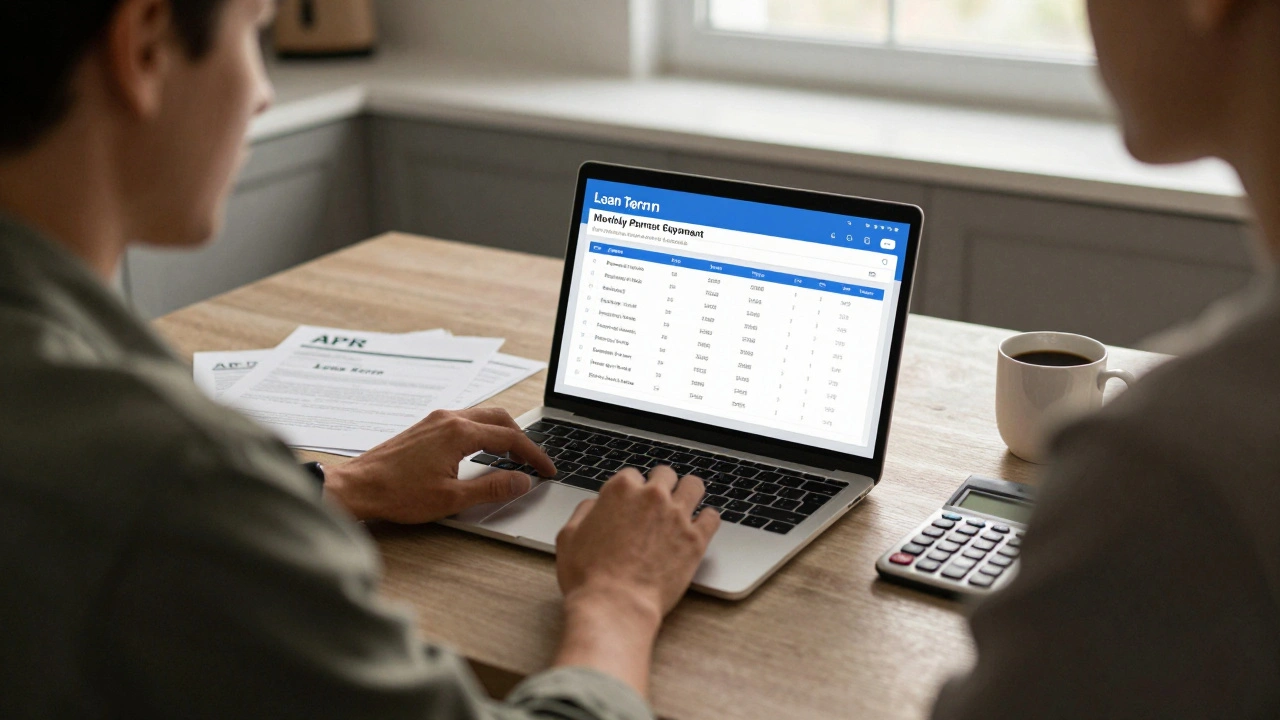
Understand car loan APR, loan terms, and monthly payments to avoid overpaying. Learn how to calculate your payments, avoid common traps, and get the best deal on car financing.
read more