
When you think about upgrading your car seats, the padded surfaces you sit on every time you drive. Also known as vehicle seating systems, they’re not just for comfort—they affect how safe, supported, and even how long you can drive without fatigue. Many people overlook this part of their 2018 car, assuming factory seats are good enough. But if you drive daily, carry passengers often, or just want to feel less worn out after a long trip, a smart car seats upgrade makes a real difference.
Upgrading your seats isn’t just about swapping in leather or adding memory foam. It’s about matching the seat to your body, your driving habits, and your car’s safety system. For example, some aftermarket seats improve side support for cornering, while others add heating, cooling, or lumbar adjustment that your original seats never had. You might also be replacing worn-out padding or cracked fabric—common issues in 2018 models that’ve seen heavy use. And if you’re upgrading for safety, you’ll want to check if the new seats are compatible with your car’s side airbags and seatbelt sensors. A seat that looks great but blocks a sensor could disable your airbag system, and that’s not worth the risk.
People who do this right often start with aftermarket car seats, replacement seats designed to fit specific car models without major modifications. These are built to plug into your existing mounting points and wiring harnesses, making installation easier than you think. Brands like Recaro, Bride, and Sparco offer models that work with many 2018 sedans and SUVs. If you’re not into full seat swaps, car seat cushions, add-on pads that improve support without replacing the whole seat. Also known as lumbar supports or seat inserts, they’re cheap, easy to install, and can fix a lot of discomfort. Then there’s car seat installation, the process of securing new seats properly to avoid movement during a crash. This isn’t just bolting them in—it’s checking torque specs, testing belt routing, and confirming airbag sensors still trigger correctly. Skip this step, and even the best seat becomes a hazard.
What you’ll find in the posts below are real-world examples of people who upgraded their 2018 cars—some spent under $100 on simple inserts, others dropped $2,000 on full racing-style buckets. You’ll see how to tell if your seats are even worth upgrading, which brands actually last, and how to avoid common mistakes like buying seats that don’t fit your car’s frame or blocking the seatbelt alarm. Whether you’re trying to fix a sore back, make long drives bearable, or just give your ride a fresh look, the right upgrade doesn’t have to be expensive or complicated. It just needs to be smart.
Posted by
Liana Harrow
0 Comments
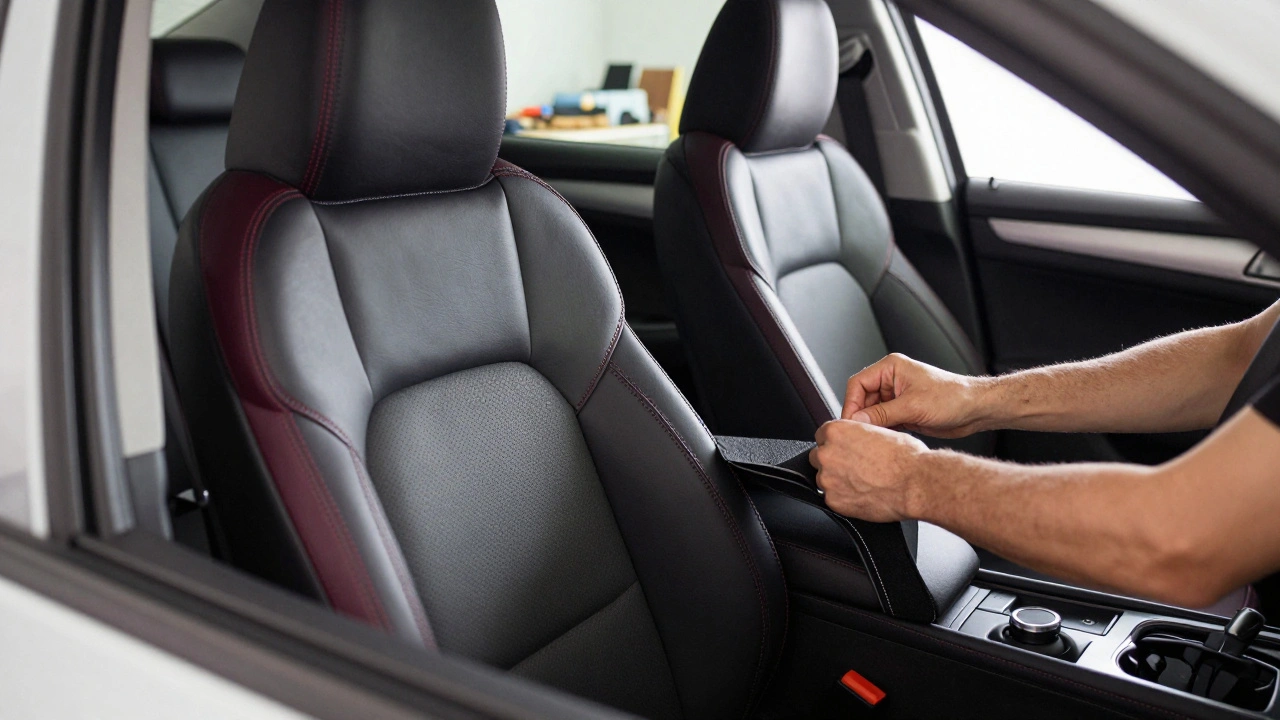
Learn how to upgrade your car's interior with seats, panels, trim, and fabrics for a premium feel without buying a new vehicle. Practical tips, costs, and trusted UK suppliers.
read more