
When you check VIN number, you’re not just entering a string of letters and numbers—you’re unlocking a car’s entire life story. A vehicle identification number, a 17-character code unique to every motor vehicle manufactured since 1981, acts like a fingerprint for your car. It tells you where it was built, what engine it has, whether it was ever stolen, and if it survived a major crash. This isn’t theory—it’s the single most reliable way to avoid buying a hidden disaster.
Many buyers skip this step because they think the seller is honest. But sellers don’t always know the full history themselves. A car might have been in a flood, had its odometer rolled back, or been branded as a total loss after an accident—then repaired and resold without disclosure. When you check VIN number, the process that retrieves official records from government and insurance databases, you cut through the noise. It’s not magic, but it’s close. You’ll find out if the title is clean, if there are open recalls, or if the car was ever used as a rental or taxi. These details directly affect safety, repair costs, and resale value.
Related to this is the car title check, a verification process that confirms legal ownership and flags salvage, rebuilt, or lemon status. A clean title doesn’t mean the car is perfect—but a salvage title means someone else already wrote it off. And if you’re buying from a private seller, the used car history, the complete record of maintenance, accidents, and ownership changes tied to the VIN is your only real protection. No receipt, no warranty, no handshake can replace this data.
You’ll find posts below that show you how to read a window sticker to spot lies, how to diagnose sensor problems that might hide deeper issues, and how to tell if a car’s service history was faked. These aren’t random tips—they’re all connected. If a car has a messed-up odometer, it might have worn brakes. If it was in a flood, the electrical system could fail next winter. If it was a rental, the engine might be worn out from constant stop-and-go driving. The VIN is the key that unlocks all of it.
There’s no reason to guess when you can know. Checking a VIN takes less than five minutes and often costs nothing. It’s the first step in any smart used car purchase—and the one most people skip. Don’t be one of them. Below, you’ll find real guides that show you how to dig deeper, spot red flags, and make sure you’re not paying for someone else’s mistakes.
Posted by
Liana Harrow
10 Comments
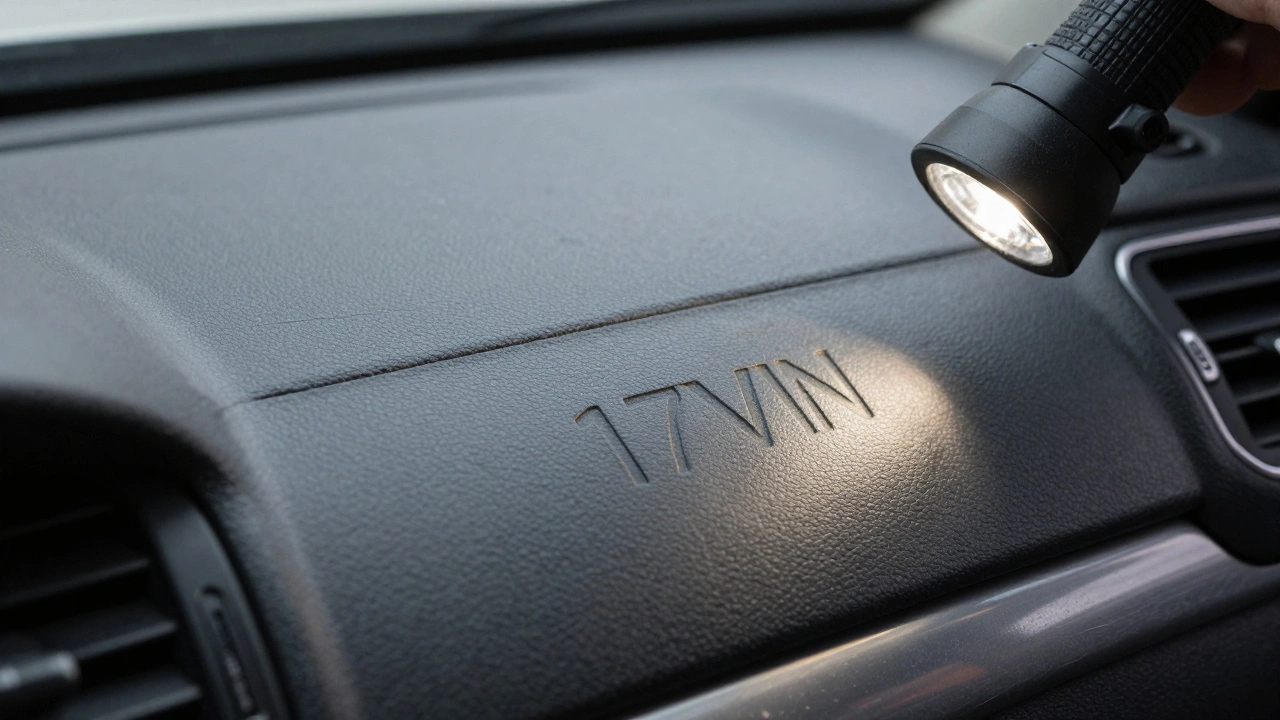
Learn how to verify a VIN and spot cloned or stolen vehicles before buying a used car. Avoid legal trouble and financial loss with these essential checks.
read more