
When someone steals a car and gives it a new identity—using the cloned vehicle, a stolen car that has been given the registration, VIN, and paperwork of a legally owned vehicle. Also known as vehicle cloning, it’s one of the most sneaky car scams out there. The thief doesn’t just take your car—they take its entire legal history. That means the real owner gets parking tickets, speeding fines, and even criminal charges for crimes committed in the stolen car. Meanwhile, the fraudster drives around with a clean record, selling the car to unsuspecting buyers who think they’re getting a good deal.
This isn’t rare. In the UK alone, over 30,000 vehicles are cloned every year. The most common targets are popular models like Ford Focuses, Vauxhall Corsas, and BMW 3 Series—cars that are easy to sell and have lots of matching paperwork online. Thieves get the VIN and registration details from online listings, lost paperwork, or even by stealing a car with a matching model and swapping the plates. Once they’ve copied the identity, they register the stolen car under the real one’s details. The police, the DVLA, and even your insurance company can’t tell the difference unless they dig deep.
How do you avoid buying one? Always check the V5C logbook. Does the VIN on the logbook match the one stamped on the dashboard, under the hood, and inside the driver’s door? If the numbers don’t line up, walk away. Run a history check using the VIN—services like HPI Check or the DVLA’s online portal will show if the car was ever reported stolen or if the mileage has been tampered with. Look for mismatched paint, odd welds on the chassis, or new-looking parts on an old car. If the seller won’t let you see the original paperwork or pressures you to pay cash, that’s a huge red flag.
Cloned vehicles don’t just hurt buyers—they hurt everyone. Insurance companies raise premiums because they pay out on fraudulent claims. Legit sellers lose trust. And the original owners? They spend months clearing their names. Even if you’re not buying a used car, you could still be affected. If your car is cloned, your insurance might drop you. You might get fined for traffic violations you didn’t commit. And if the cloned car is used in a crime, you could be questioned by police.
What’s worse? Some cloned vehicles end up on legitimate dealer lots. Not because the dealer is shady, but because they bought the car from a wholesaler who didn’t know either. That’s why even buying from a trusted dealer isn’t 100% safe. You still need to verify the details yourself.
Below, you’ll find real-world guides on how to read a vehicle window sticker, spot VIN fraud, check service history, and avoid buying a car with hidden problems. These aren’t theory pieces—they’re tools used by mechanics, used car buyers, and law enforcement to catch these scams before it’s too late. Whether you’re shopping for a used car or just want to protect your own vehicle, this collection gives you the facts you need to stay safe.
Posted by
Liana Harrow
10 Comments
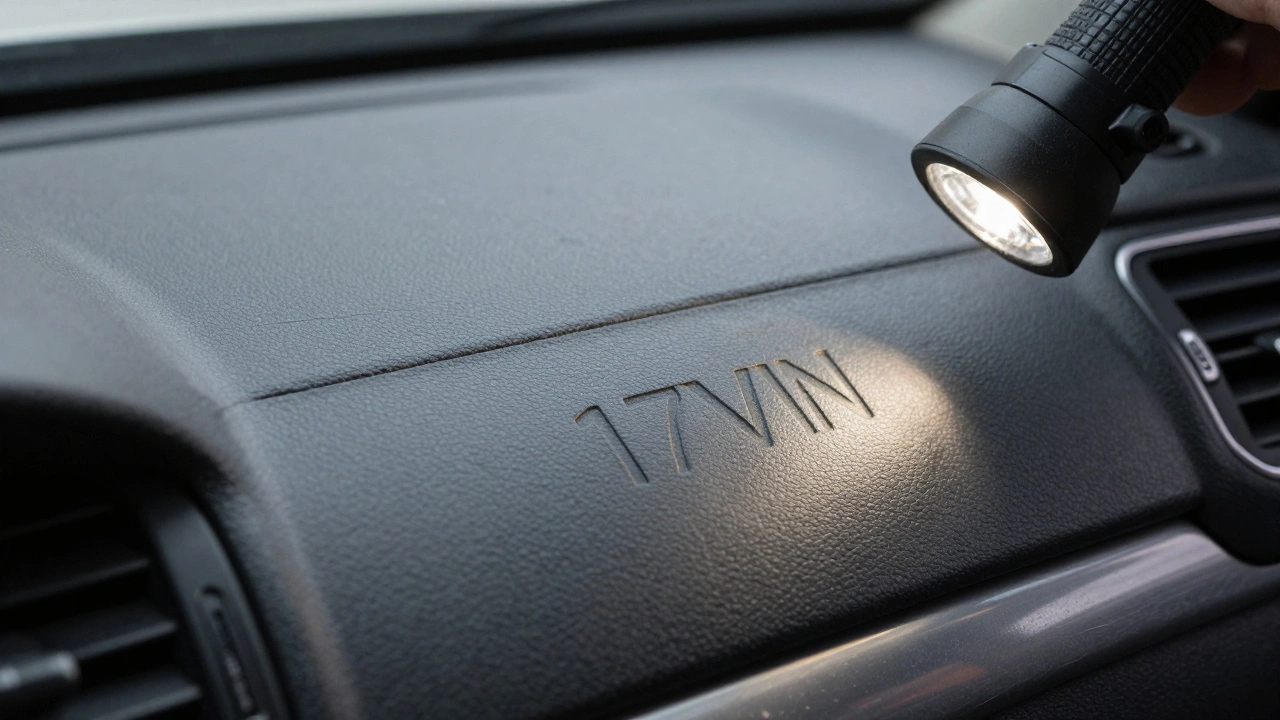
Learn how to verify a VIN and spot cloned or stolen vehicles before buying a used car. Avoid legal trouble and financial loss with these essential checks.
read more