
When you're shopping for a car, competitive car pricing, the process of comparing vehicle costs across dealers and market data to ensure you’re not overpaying. Also known as market-driven pricing, it’s not about finding the cheapest deal—it’s about finding the right one for your budget and the car’s real value. Too many buyers walk away paying hundreds or even thousands more than they should because they don’t know what to look for. The truth? A car’s sticker price doesn’t tell you the whole story. What matters is what similar models are selling for nearby, what the dealer paid for it, and whether the features actually justify the premium.
Dealer markup, the extra amount a dealership adds to the wholesale cost before selling to you. Also known as retail spread, it’s legal—but it’s not always fair. Some dealers mark up popular 2018 models by 10%, 15%, or even more if they think you’ll pay it. Others keep it tight to move inventory fast. How do you tell the difference? You check the used car value, the estimated market price of a vehicle based on year, mileage, condition, and location. Also known as trade-in value or private party value, it’s the anchor for every fair negotiation. Tools like Kelley Blue Book and Edmunds give you a range, but they don’t show local competition. That’s why looking at listings from other dealers within 50 miles matters. If three other dealers are selling the same 2018 Honda Civic EX with 45,000 miles for $16,500, and one is asking $18,200, you know where the markup is hiding.
Car pricing strategies, the methods dealers use to set prices based on demand, inventory, and buyer behavior. Also known as pricing psychology, they’re designed to make you feel like you’re getting a deal—even when you’re not. Some dealers list a car at $19,999 because it feels lower than $20,000. Others bundle in unnecessary extras like paint protection or extended warranties to inflate the total. The smart buyer ignores the window sticker and asks: What’s the out-the-door price? What’s the invoice cost? What’s the true market rate? You’ll find answers in posts about reading window stickers, understanding car loan terms, and spotting hidden fees. You’ll also see real data on which brands hold value best—like Toyota and Honda—and which ones drop fast after purchase.
And it’s not just about new cars. Used car pricing is where the real savings happen—if you know how to dig. A 2018 car with 50,000 miles isn’t just a year older than a 2017. It’s often a better value because depreciation slows down after the first few years. But only if it’s priced right. That’s why knowing competitive car pricing isn’t a luxury—it’s your best defense against overpaying. Below, you’ll find real guides from people who’ve been there: how to decode Monroney labels, what to ask before signing, how to use service costs to spot a good deal, and why some cars are cheaper to own long-term—not just to buy.
Posted by
Liana Harrow
13 Comments
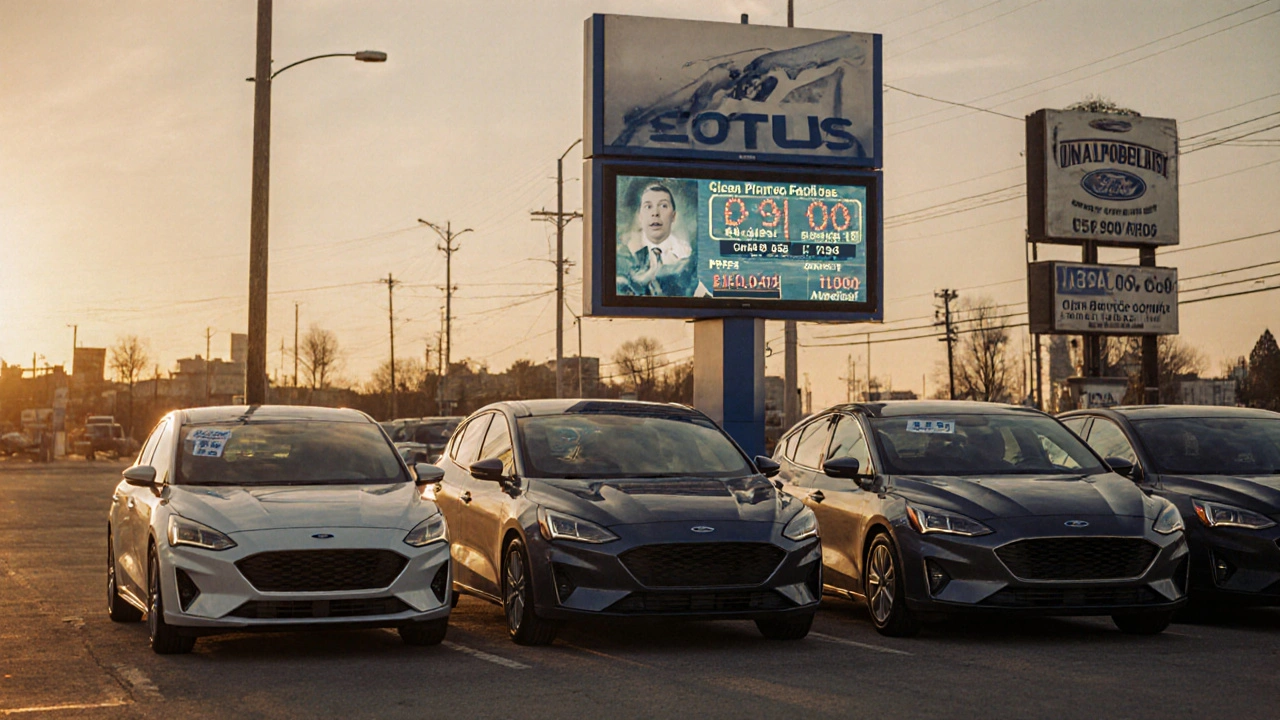
Learn how to price used vehicles competitively in your local market by analyzing real-time demand, adjusting prices based on sales data, and using local trends to outperform competitors-without overpricing or leaving money on the table.
read more