
When you walk into a dealership looking at a 2018 car, a model year that still holds strong value in the used market with reliable performance and available parts. Also known as used 2018 vehicles, these cars sit on lots across the country with price tags that don’t always tell the full story. The number you see isn’t just what the dealer paid—it’s a mix of cost, demand, and how long the car’s been sitting. Many buyers assume the sticker price is fixed, but dealership inventory pricing, the system dealers use to set prices based on how long a vehicle has been in stock and how fast it’s moving is way more flexible than it looks.
What drives that price? Three things: how many of that model the dealer has, how long it’s been on the lot, and what similar cars are selling for nearby. If a dealer has five 2018 Honda Civics and only one sold last month, they’ll drop the price. But if that same model is in high demand—say, because fuel prices jumped or a new model just launched—the price might stay high or even go up. car dealer markup, the extra amount added to the wholesale cost to cover overhead and profit isn’t always obvious. Some dealers add 5%, others 20%. The difference? It’s all in how they manage their used car inventory, the collection of vehicles a dealership holds for sale, tracked by age, mileage, and turnover rate. Dealers who move cars fast can afford to charge more. Those stuck with older stock? They’ll bend to get a sale.
You don’t need to be a car expert to spot a good deal. Start by checking the dealership inventory pricing against what others are asking. Look at the same model within 50 miles. See if the car has a history of quick sales—those usually mean the price is already fair. If it’s been on the lot over 60 days, you’ve got leverage. Ask if the price includes any dealer incentives, factory rebates, or service credits. Most won’t volunteer that info unless you ask. And remember: a clean Carfax and recent service records matter more than a shiny paint job. The right 2018 car isn’t the one with the lowest sticker—it’s the one where the price matches the value, and the dealer is willing to talk about why.
Below, you’ll find real-world guides that break down how to read window stickers, avoid hidden fees, and spot when a dealer is trying to pad the price. These aren’t theory pieces—they’re tools used by people who’ve walked away from bad deals and walked into better ones.
Posted by
Liana Harrow
13 Comments
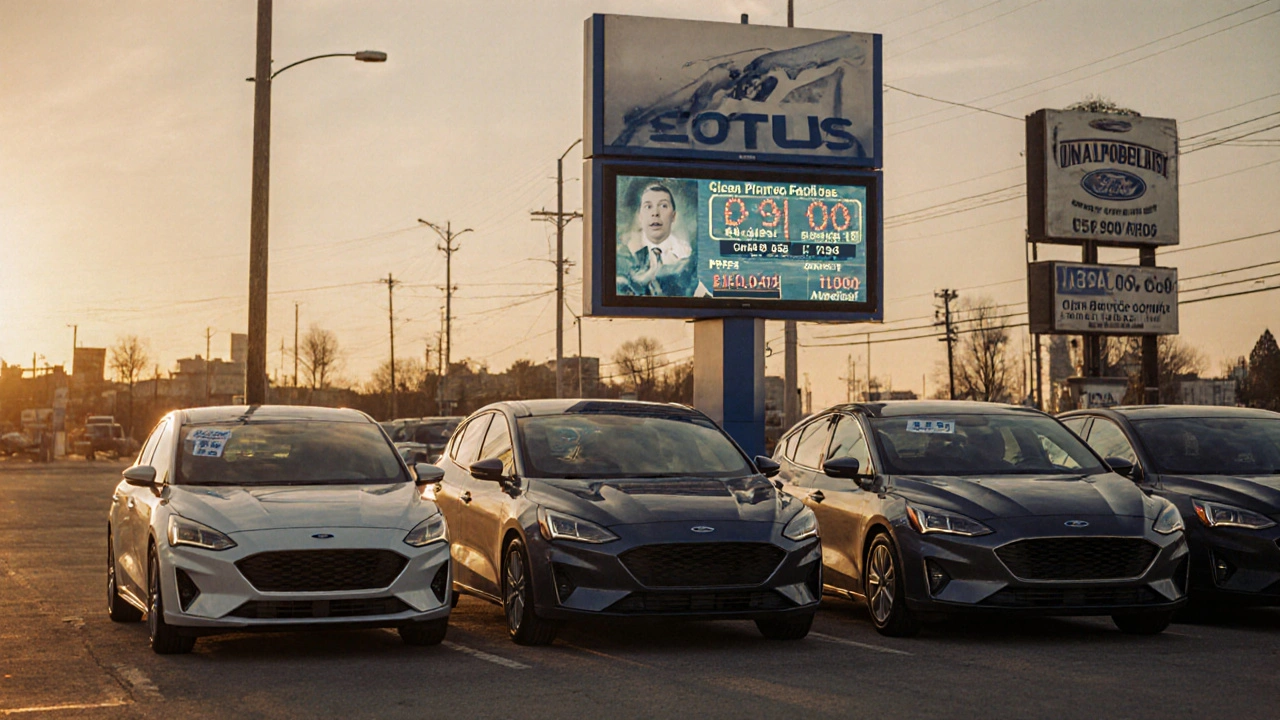
Learn how to price used vehicles competitively in your local market by analyzing real-time demand, adjusting prices based on sales data, and using local trends to outperform competitors-without overpricing or leaving money on the table.
read more