
When you walk into a dealership, dealership vehicle pricing, the final cost a dealer asks for a car, including fees, incentives, and hidden markups. Also known as out-the-door price, it’s not just the sticker number—it’s the sum of everything added after the manufacturer’s suggested price. Most people think the price on the window is the price, but that’s just the start. Dealers add destination fees, dealer prep, documentation charges, and sometimes even "administrative fees" that don’t exist in the manufacturer’s books. The truth? A lot of that markup is made up to squeeze more profit out of buyers who don’t know what to look for.
That’s where the Monroney label, the federal sticker on every new car that lists factory pricing, options, fuel economy, and warranty details. Also known as window sticker, it’s your best tool to check if a dealer is being honest comes in. It’s not just a pretty label—it’s a legal document. If the dealer says a car has "premium audio" but it’s not listed on the Monroney label, they’re lying. If they claim a $1,200 fee is "standard," but the label shows no such charge, you’re being nickel-and-dimed. And if the price is higher than the average market value for that exact model, trim, and mileage, you’re overpaying. Sites like Kelley Blue Book and Edmunds give you the fair price range, but the Monroney label tells you exactly what’s in the car. Combine both, and you’re no longer guessing—you’re negotiating from facts.
Dealership vehicle pricing isn’t random. It’s a game of numbers, timing, and psychology. Cars that sat on the lot for 60+ days? Dealers will drop the price fast to free up space. Cars with low inventory? They’ll hold firm. And if you’re buying used, the condition, service history, and accident reports matter more than the color. A car with full service records and no frame damage might cost $2,000 more—but it’ll save you $10,000 in repairs down the road. The best buyers don’t chase deals. They chase transparency. They ask for the Monroney label. They check service logs. They compare prices across dealerships. And they walk away when the numbers don’t add up.
Below, you’ll find real guides that show you how to read those stickers, understand hidden fees, compare prices across models, and spot the tricks dealers use to make a cheap car look expensive. You won’t find fluff here—just what actually works when you’re standing in front of a salesperson with a pen in hand.
Posted by
Liana Harrow
13 Comments
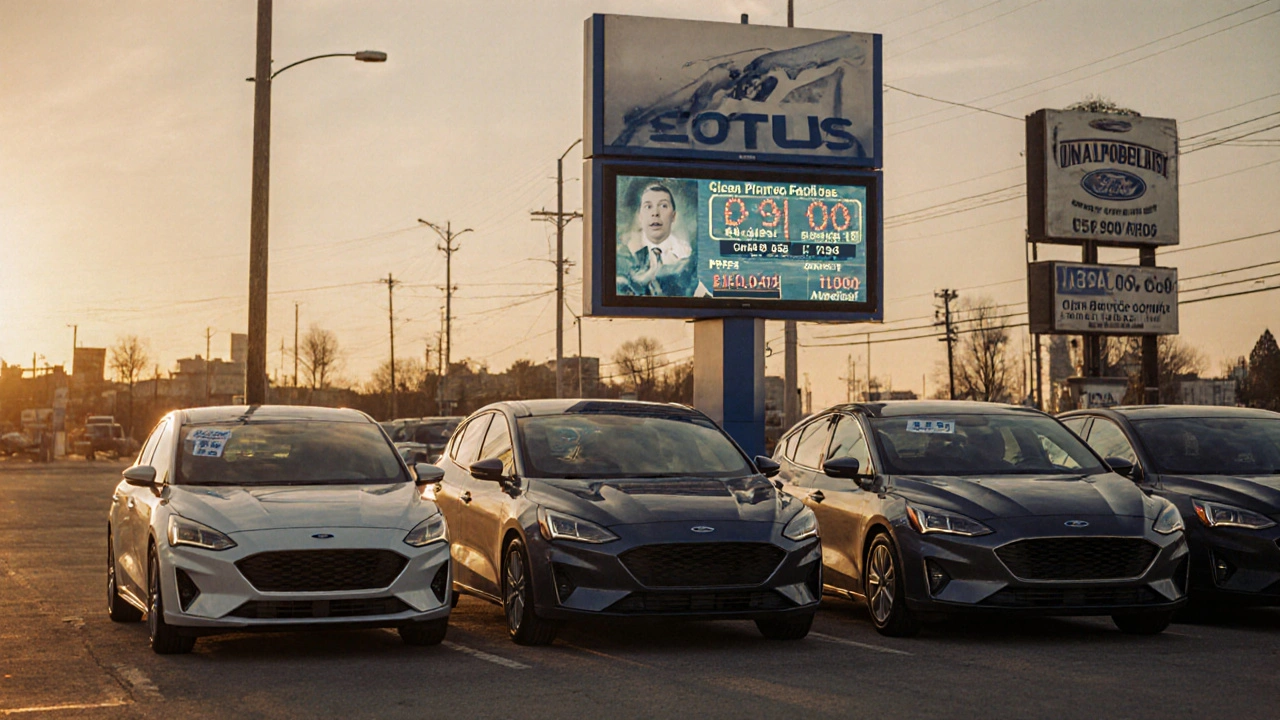
Learn how to price used vehicles competitively in your local market by analyzing real-time demand, adjusting prices based on sales data, and using local trends to outperform competitors-without overpricing or leaving money on the table.
read more