
When you sit in your car, the interior panels, the molded plastic or fabric-covered sections that line the doors, dashboard, and pillars of a vehicle. Also known as trim panels, they're not just for looks—they protect wiring, reduce noise, and hold controls like window switches and door handles in place. Over time, these panels crack from sun exposure, snap from rough handling, or fade from cheap materials. You might not think about them until a piece pops loose or a button falls out. That’s when you realize how much these parts actually matter.
Replacing a broken door panel, the large section covering the inside of a car door, housing speakers, window controls, and armrests isn’t always a job for the dealership. Many people fix these themselves with basic tools and a few hours. The same goes for dashboard panels, the sections covering the top of the dash, often hiding vents, sensors, and wiring. They’re usually held in with clips or screws, not glue. A little patience and the right replacement part can save you hundreds. You’ll find guides in this collection that show you exactly how to remove, clean, and reinstall these parts without breaking anything else.
Not all interior panels are created equal. Some cars use soft-touch plastic that lasts decades. Others use brittle, low-grade plastic that cracks in five years. Brands like Toyota and Honda tend to use more durable materials, while some budget models skimp on quality. Knowing this helps you decide whether to fix or replace. And if you’re restoring a classic car, trim replacement, the process of swapping out worn or damaged interior panels with original or reproduction parts becomes part of preserving history. You’ll need to match colors, textures, and even grain patterns—something these posts cover in detail.
Cracked panels aren’t just ugly—they can be dangerous. A loose door panel might hide a broken window regulator. A damaged center console could expose wiring that shorts out. These issues don’t show up in a diagnostic scan, but they show up in your wallet fast. That’s why the posts here focus on real fixes: how to spot early signs of failure, where to buy affordable replacements, and how to avoid common mistakes like forcing clips or using the wrong adhesive.
You’ll find advice on fixing everything from a loose cup holder trim to a shattered B-pillar cover. Some guides walk you through sourcing OEM parts. Others show how to repaint or reupholster worn sections. You’ll learn what tools actually work—like plastic pry tools that don’t scratch—and what to skip. There’s no fluff here. Just clear steps, real examples, and the kind of tips that come from someone who’s done it before—and messed it up once or twice.
Posted by
Liana Harrow
0 Comments
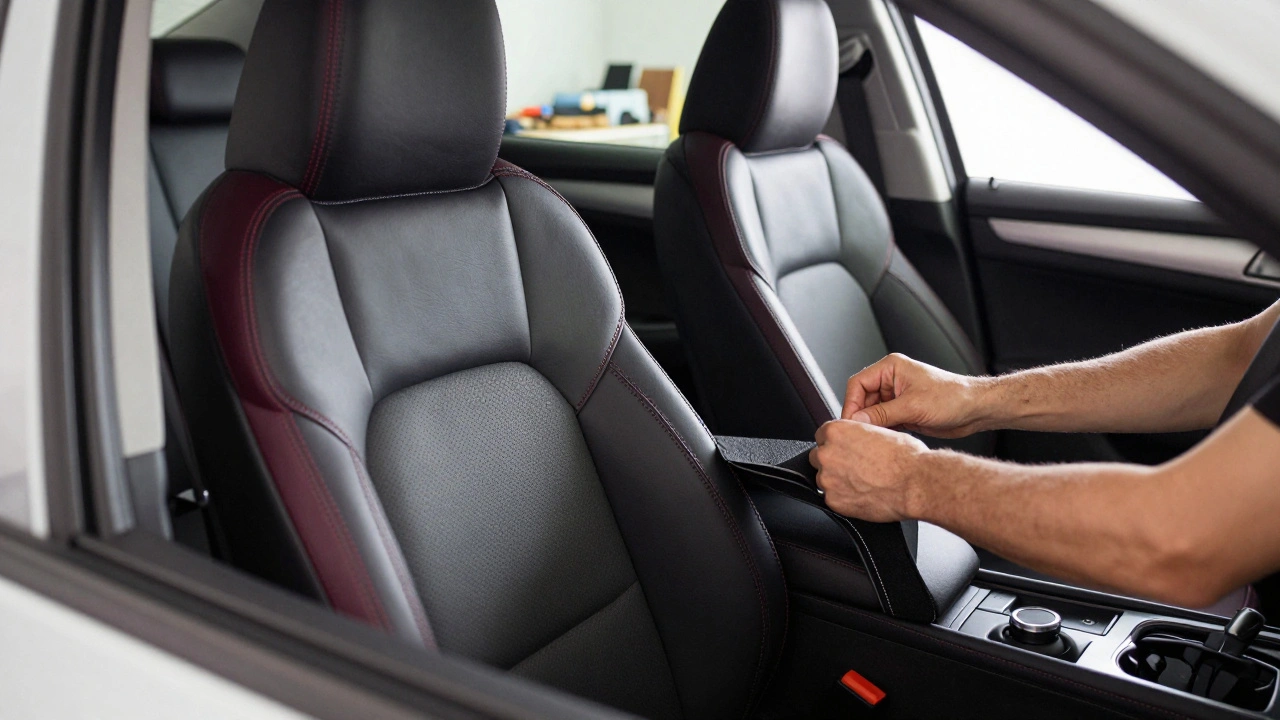
Learn how to upgrade your car's interior with seats, panels, trim, and fabrics for a premium feel without buying a new vehicle. Practical tips, costs, and trusted UK suppliers.
read more