
When you walk into a dealership or browse listings online, local car market pricing, the real cost of buying or selling a vehicle in your specific area, shaped by supply, demand, and regional economic factors. Also known as regional vehicle valuation, it’s not just about what the car is worth—it’s about what someone in your zip code is willing to pay right now. A 2018 Honda Civic might sell for £12,500 in Manchester but £14,200 in London, not because one is in better condition, but because demand, taxes, and even fuel prices shift the balance. This isn’t magic—it’s math, and it’s happening right where you live.
What drives these differences? car depreciation, how quickly a vehicle loses value after purchase, influenced by brand reputation, mileage, and local repair costs plays a huge role. In areas with lots of snow, SUVs hold value better because they’re practical. In cities with tight parking and high fuel costs, small hatchbacks stay in demand. Then there’s dealership pricing, how local sellers set their markups based on inventory levels, competition, and how long cars have been sitting on the lot. A dealer in a rural town might slash prices to move stock fast. A dealer in a wealthy suburb might hold firm because buyers there care more about condition than savings.
And don’t forget used car prices, the actual amount buyers pay, which can differ from advertised prices due to fees, warranties, and optional add-ons. That £13,000 sticker? Add £800 for delivery, £300 for a 3-month warranty, and £200 for floor mats, and you’re already at £14,300. Many buyers don’t realize these extras are negotiable—or even optional. The best way to fight this? Know what others in your area paid. Check classifieds, compare listings within 20 miles, and look at the local car market pricing trends over the last 90 days. If prices are dropping, wait. If they’re climbing, act fast.
Some regions have more trade-ins, which floods the market with used cars and drives prices down. Others have fewer sellers, so buyers compete—and prices rise. Even weather patterns matter: places with mild winters see less rust, so cars hold value longer. And don’t assume a national average applies to you. A Toyota Corolla might be the cheapest to maintain nationwide, but if no one in your town owns one, the resale value could be lower than expected.
Knowing this isn’t about becoming a car expert—it’s about walking into a deal with your eyes open. You don’t need to know every trim level or engine code. You just need to understand that your local market doesn’t follow the same rules as the one in the next county. The posts below show you exactly how to read window stickers, spot overpriced listings, compare real-world deals, and avoid paying more because you didn’t know what was normal where you live. You’ll see how others saved hundreds—or even thousands—by checking local trends before signing anything. This isn’t guesswork. It’s what people in your area are actually paying.
Posted by
Liana Harrow
13 Comments
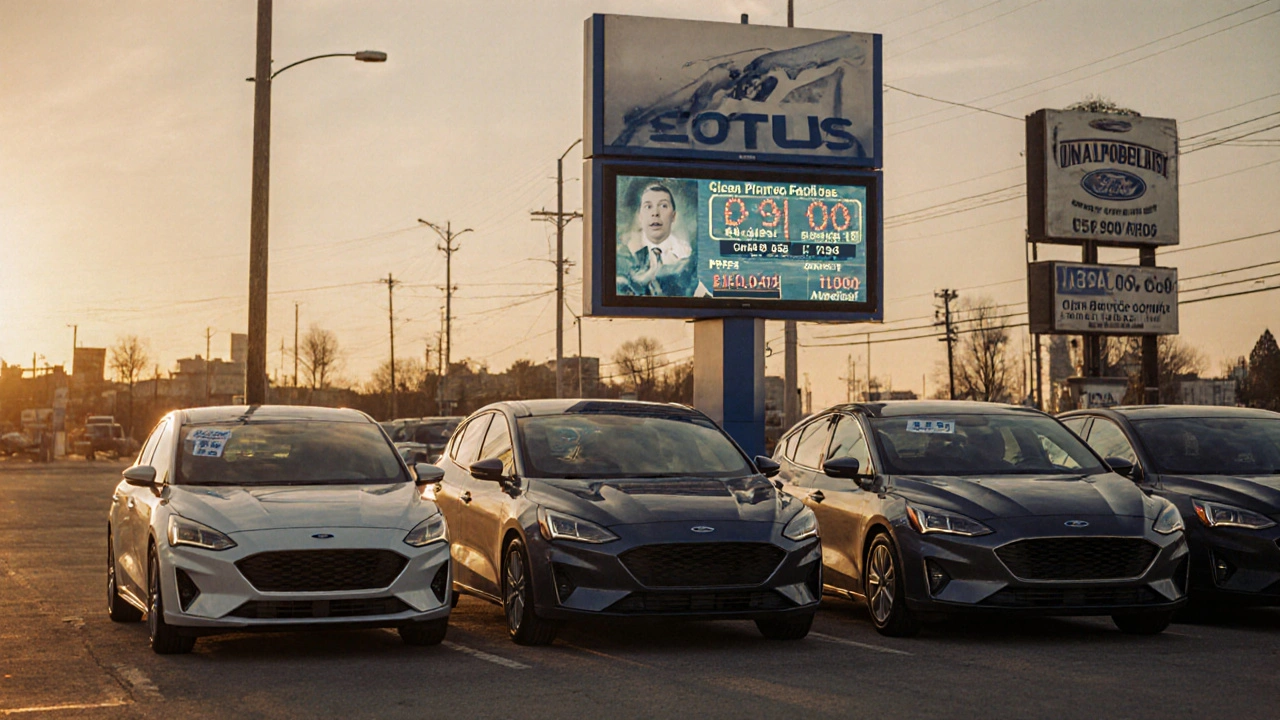
Learn how to price used vehicles competitively in your local market by analyzing real-time demand, adjusting prices based on sales data, and using local trends to outperform competitors-without overpricing or leaving money on the table.
read more