
When you think about monthly car payments, the fixed amount you pay each month to own or lease a vehicle. Also known as car finance installments, it’s not just about what the dealer shows you—it’s about the total cost over time, hidden fees, and how long you’re locked in. Most people focus on the monthly number, but that’s like judging a meal by the size of the plate. The real question is: what are you getting for that money, and what are you giving up?
Car financing, the process of borrowing money to buy a vehicle comes in two main flavors: loans and leases. A loan means you own the car after the last payment. A lease is basically a long-term rental—you hand the keys back at the end. The car lease payments, monthly costs for renting a car with mileage limits and no ownership often look lower, but you never build equity. Meanwhile, auto loan, a secured loan where the car acts as collateral payments might be higher, but you end up with an asset. The difference isn’t just numbers—it’s freedom. If you drive 20,000 miles a year, a lease could cost you hundreds in overage fees. If you plan to keep the car five years, a loan makes more sense.
Your down payment, the upfront cash you pay before financing begins changes everything. Put down $3,000 instead of $1,000, and your monthly payment drops. You also pay less interest over time. But here’s the catch: if you put too much down, you’re tying up cash that could be used for emergencies or repairs. Most people don’t realize that a $500 difference in down payment can add up to $1,800 in savings over five years. And don’t let dealers push extended warranties or gap insurance unless you actually need them. You can buy those cheaper on your own.
What you drive matters too. A Toyota Corolla won’t cost you the same monthly as a BMW 3 Series—even if they’re the same age. Maintenance, insurance, and depreciation all roll into your real cost of ownership. That’s why some of the cheapest cars to own also have the lowest monthly payments. You’re not just paying for the car—you’re paying for its future value, repair bills, and how much it costs to insure.
There’s no magic formula, but there are smart moves. Know your credit score before you walk in. Shop around for loan rates—not just at the dealership. And always calculate the total cost over the term, not just the monthly. If you’re leasing, read the fine print on mileage limits and wear-and-tear fees. Those surprise charges at the end can wipe out your savings.
Below, you’ll find real advice from people who’ve been there—how to avoid overpaying, what to watch for in lease contracts, why some people regret their monthly payments, and how to pick a car that fits your budget, not your ego. No fluff. No hype. Just what works.
Posted by
Liana Harrow
11 Comments
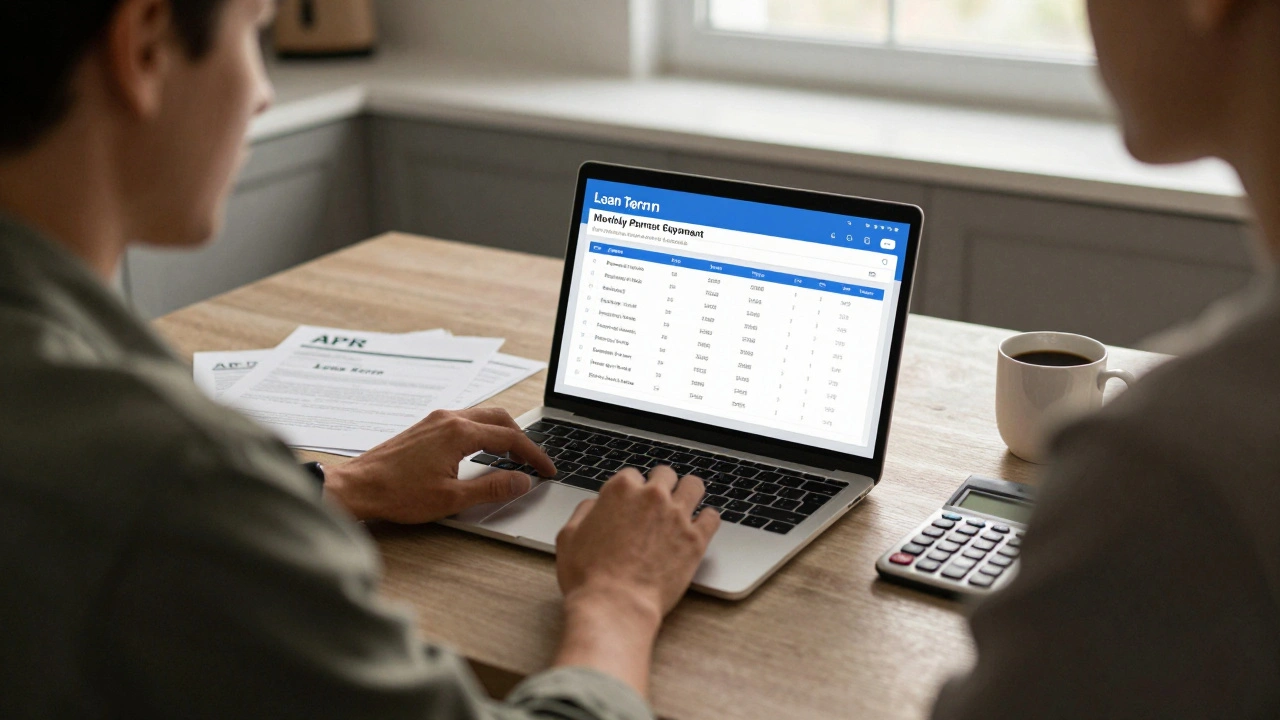
Understand car loan APR, loan terms, and monthly payments to avoid overpaying. Learn how to calculate your payments, avoid common traps, and get the best deal on car financing.
read more