
When your car’s sensor failure, a malfunction in a vehicle’s electronic monitoring system that disrupts engine performance, safety, or emissions control. Also known as faulty sensor, it’s one of the most common reasons your check engine light turns on—and often the easiest to fix if you catch it early. Modern cars rely on dozens of sensors to keep everything running smoothly. One broken sensor can throw off fuel mix, brake response, or even shift timing. You might not feel it right away, but over time, it eats fuel, wears out parts, and can leave you stranded.
Most sensor failures happen in the oxygen sensor, a component that measures exhaust gases to help the engine adjust fuel delivery, the ABS sensor, a wheel-mounted device that tells the braking system if a tire is locking up, or the engine sensor, a broad term covering everything from crankshaft position to coolant temperature monitors. These aren’t fancy gadgets—they’re simple, rugged, and designed to last. But dirt, heat, vibration, and moisture wear them down. A dirty oxygen sensor can make your car burn 20% more fuel. A failing ABS sensor might stop your traction control from working in rain. And if the engine sensor misreads temperature, your car could overheat without warning.
Here’s the truth: most sensor failures don’t need a dealership visit. You can diagnose many with a basic code reader under $50. If your car’s throwing a P0171 or P0174 code, it’s likely a bad oxygen sensor. A P0500 code? Probably a wheel speed sensor gone bad. Replacing these yourself saves hundreds. You don’t need to be a mechanic—just follow a YouTube video and use the right tools. And if you’re buying a used 2018 car, always check for past sensor trouble. A car that’s had multiple sensor replacements might have deeper issues, like a leaking vacuum line or bad wiring harness.
What you’ll find below are real fixes, real stories, and real advice from people who’ve been there. From how to tell if your sensor is truly dead versus just dirty, to which replacements actually last, to what happens when you ignore a warning light for months. These aren’t theory pieces. They’re hands-on guides written by owners, mechanics, and DIYers who’ve fixed their own cars—and saved money doing it.
Posted by
Liana Harrow
14 Comments
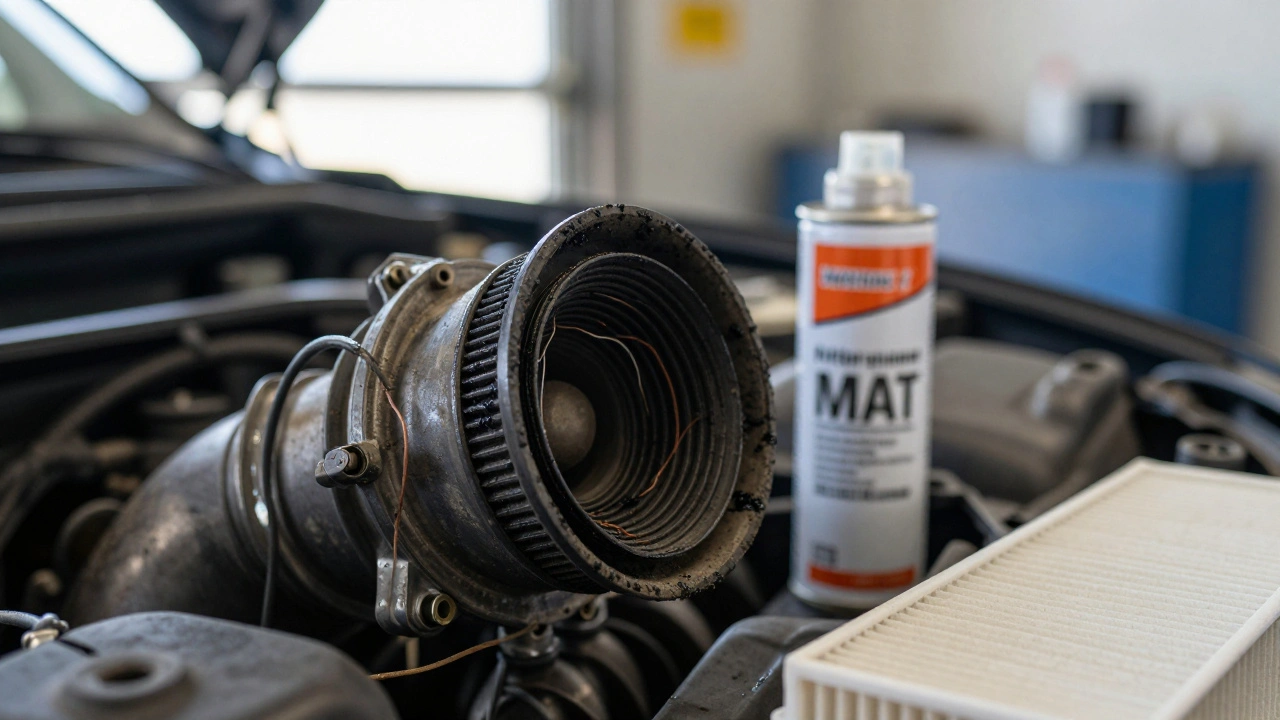
Learn how to tell the difference between a failing mass airflow sensor and a bad O2 sensor. Diagnose engine problems accurately and avoid costly mistakes with this step-by-step guide.
read more