
When you’re looking at a used car, a stolen car check, a process to confirm a vehicle hasn’t been reported stolen or fraudulently re-registered. Also known as a vehicle history check, it’s not just a formality—it’s your first line of defense against buying a car with a hidden past. Thousands of cars are stolen each year, and many end up with fake paperwork, altered VINs, or cloned identities. If you skip this step, you could end up paying for a car that’s still legally owned by someone else—or worse, one that’s tied to a crime.
A VIN check, a lookup using the vehicle’s unique 17-digit identification number is the most reliable way to start. Every car has a VIN stamped on the dashboard, door frame, and under the hood. It links to national databases that track theft reports, salvage titles, and odometer fraud. A car registration, the official record showing who legally owns and registers the vehicle should match the VIN and the seller’s ID. If they don’t, walk away. Many thieves use stolen registration documents to make a stolen car look legit. Even if the paperwork looks perfect, a quick check against police databases can reveal if it’s been flagged.
Don’t rely on the seller’s word. A clean history report doesn’t mean the car is clean—it just means the system hasn’t caught the fraud yet. Some stolen cars are sold across borders, stripped for parts, or re-registered under false names. A car theft, the illegal taking of a vehicle with intent to permanently deprive the owner can happen in seconds, but the fallout lasts years. If you buy a stolen car, even unknowingly, you could lose it without compensation. Insurance won’t cover it if the vehicle was reported stolen before your purchase.
You don’t need to be a mechanic to do this. Free tools like government transport authority websites or trusted third-party services let you enter a VIN and get a basic report. Look for red flags: mismatched VINs, multiple owners in a short time, or a car that was reported stolen but now has a clean title. If the seller won’t let you check the VIN yourself, that’s a warning. A legitimate seller won’t mind. A shady one will make excuses.
Below, you’ll find real-world guides on how to spot fake paperwork, decode vehicle history reports, and protect yourself from common scams. These aren’t theoretical tips—they’re lessons from people who’ve been burned. Whether you’re buying from a dealer or a private seller, this is the one thing you can’t afford to skip.
Posted by
Liana Harrow
10 Comments
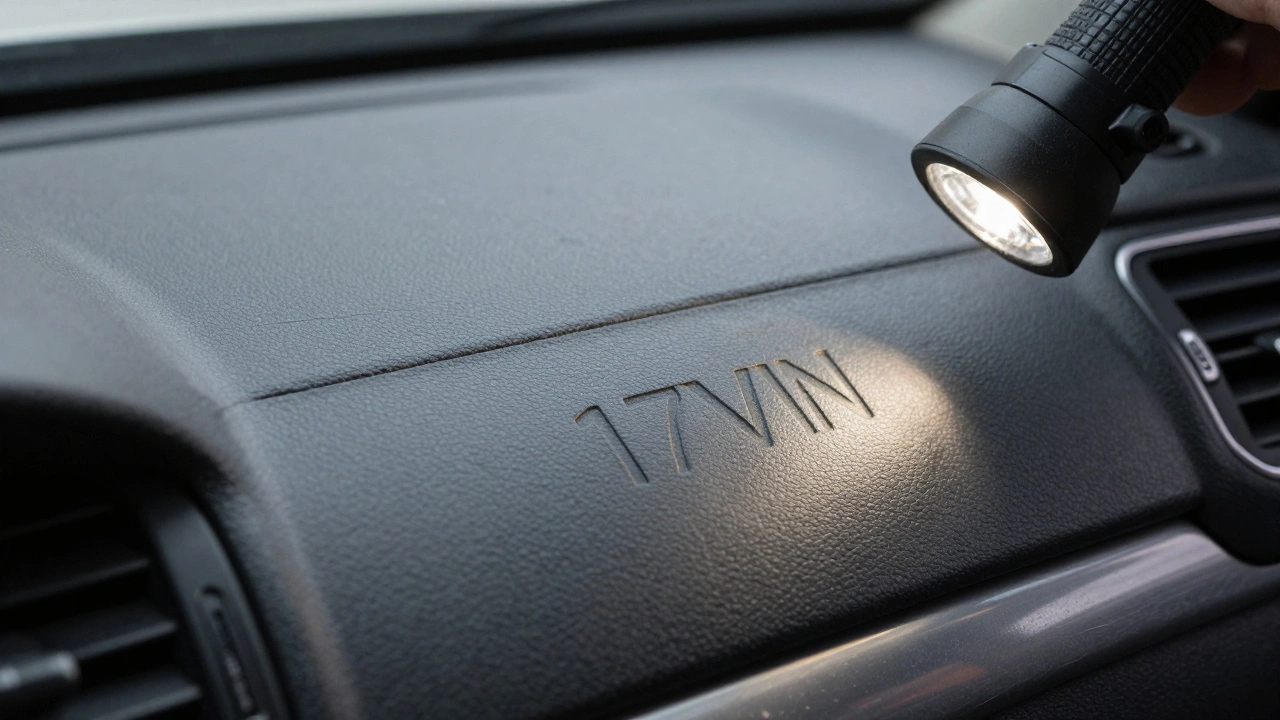
Learn how to verify a VIN and spot cloned or stolen vehicles before buying a used car. Avoid legal trouble and financial loss with these essential checks.
read more