
When you buy a used car pricing strategy, the set of methods and knowledge used to determine fair market value and negotiate the best deal on a pre-owned vehicle. Also known as car valuation tactics, it’s not about haggling louder—it’s about knowing what the car is truly worth before you step onto the lot. Most buyers think price tags are fixed, but they’re not. A 2018 Honda Civic with 60,000 miles might cost $14,000 at one dealer and $12,200 at another. The difference isn’t magic—it’s strategy. Dealers use pricing models based on demand, condition, location, and how long the car’s been sitting. You can flip that script if you know where to look.
The Monroney label, the official window sticker on new and some used cars that lists original MSRP, options, fuel economy, and warranty info. Also known as vehicle window sticker, it’s your secret weapon for spotting inflated prices. If you’re looking at a used car, that sticker tells you what the car was worth when new. Compare that to today’s asking price. If the dealer removed it? Walk away. That’s not a red flag—it’s a flashing siren. Used car pricing strategy starts with facts, not feelings. You don’t need to be an expert. You just need to know how to read what’s already there. Sites like Kelley Blue Book and Edmunds give you average prices, but the Monroney label tells you what that specific car came with. Did it have leather? A sunroof? A premium sound system? Those options add real value—and some dealers hide them.
Then there’s car depreciation, how much a vehicle loses in value each year after it leaves the dealership. Also known as vehicle resale value decline, it’s the silent killer of used car budgets. A 2018 car is now six years old. Most cars lose 50-60% of their value in the first five years. But not all cars. Toyotas and Hondas hold value because they’re cheap to fix and last longer. A 2018 Hyundai with 70,000 miles might cost less than a 2018 Ford with 50,000 miles—not because it’s worse, but because the Ford’s brand depreciates faster. That’s not a mistake. It’s data. And if you’re using a smart used car pricing strategy, you let depreciation guide your offer, not the dealer’s sales pitch.
And don’t forget: service history matters more than mileage. A car with 80,000 miles and full records can be worth more than one with 50,000 miles and a missing oil change log. Dealers know this. They’ll price the well-maintained car higher—but they won’t tell you why. You have to connect the dots yourself. That’s where the real power lies. The posts below show you exactly how to read a window sticker, what to ask for in service records, how to spot hidden damage, and which models hold value best in 2025. You’ll see real examples of deals gone right—and wrong. No fluff. Just what works when you’re standing on the lot, wallet in hand, trying not to get taken.
Posted by
Liana Harrow
13 Comments
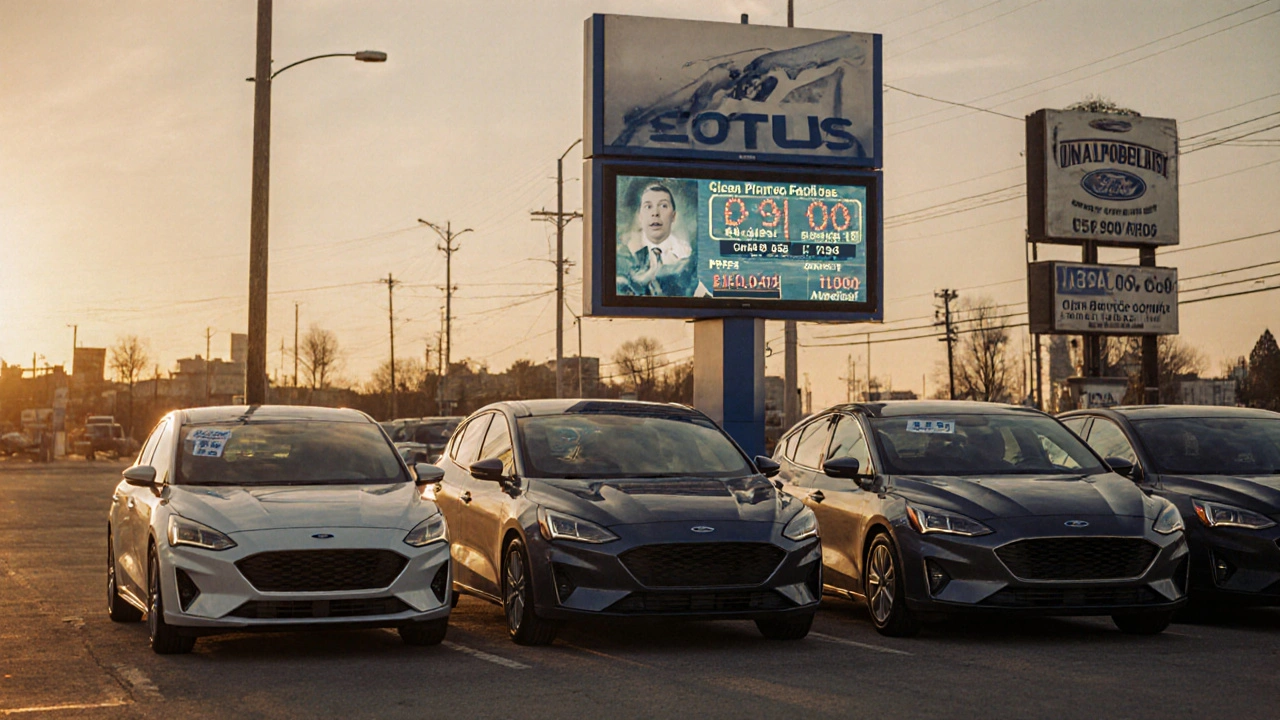
Learn how to price used vehicles competitively in your local market by analyzing real-time demand, adjusting prices based on sales data, and using local trends to outperform competitors-without overpricing or leaving money on the table.
read more