
When you buy a car or replace a part, vehicle authenticity, the truth about a car’s origin, components, and history. Also known as car provenance, it’s not just about paperwork—it’s about knowing if what you’re getting is really what it claims to be. A car with a clean title might still have swapped engines, rebuilt frames, or counterfeit airbags. Fake parts aren’t just cheap—they’re dangerous. And online listings? Many use stock photos, inflated mileage, or stolen VINs to trick buyers. You can’t trust a seller’s word. You need to check the facts.
One of the clearest signs of vehicle authenticity, the truth about a car’s origin, components, and history. Also known as car provenance, it’s not just about paperwork—it’s about knowing if what you’re getting is really what it claims to be. is the Monroney label, the factory sticker on new cars that lists options, pricing, and fuel economy. Also known as window sticker, it’s the official record of what the car left the factory with. If you’re looking at a used car, that sticker should match the features listed in the ad. If it doesn’t, something’s off. A missing or altered label is a red flag. So is a car with mismatched VINs—on the dashboard, door jamb, or engine block. These aren’t typos. They’re signs of fraud. Even something as simple as a replacement headlight can be fake. Cheap knock-offs don’t meet safety standards and can blind you at night. The same goes for brake pads, airbags, and sensors. Genuine parts have serial numbers, logos, and packaging. Counterfeits don’t.
And then there’s the history. A car might look clean, but if it was in a flood, had its odometer rolled, or was rebuilt from a salvage title, you’re buying a ticking time bomb. That’s why vehicle history, the complete record of a car’s ownership, accidents, repairs, and maintenance. Also known as car history report, it’s the paper trail that tells you what the car has been through. matters. No dealer will hand you a full report unless you ask. But a quick VIN check can reveal if the car was ever totaled, if the title is clean, or if it’s been reported stolen. You don’t need a mechanic to spot these signs—you just need to know where to look.
What you’ll find below are real, practical guides that show you how to read a used car’s window sticker, spot fake parts, decode hidden damage, and avoid sellers who lie. These aren’t theory pieces. They’re tools you can use right now—whether you’re buying a used sedan, replacing a sensor, or checking a motorcycle’s title. No fluff. No jargon. Just how to make sure you’re not getting ripped off.
Posted by
Liana Harrow
10 Comments
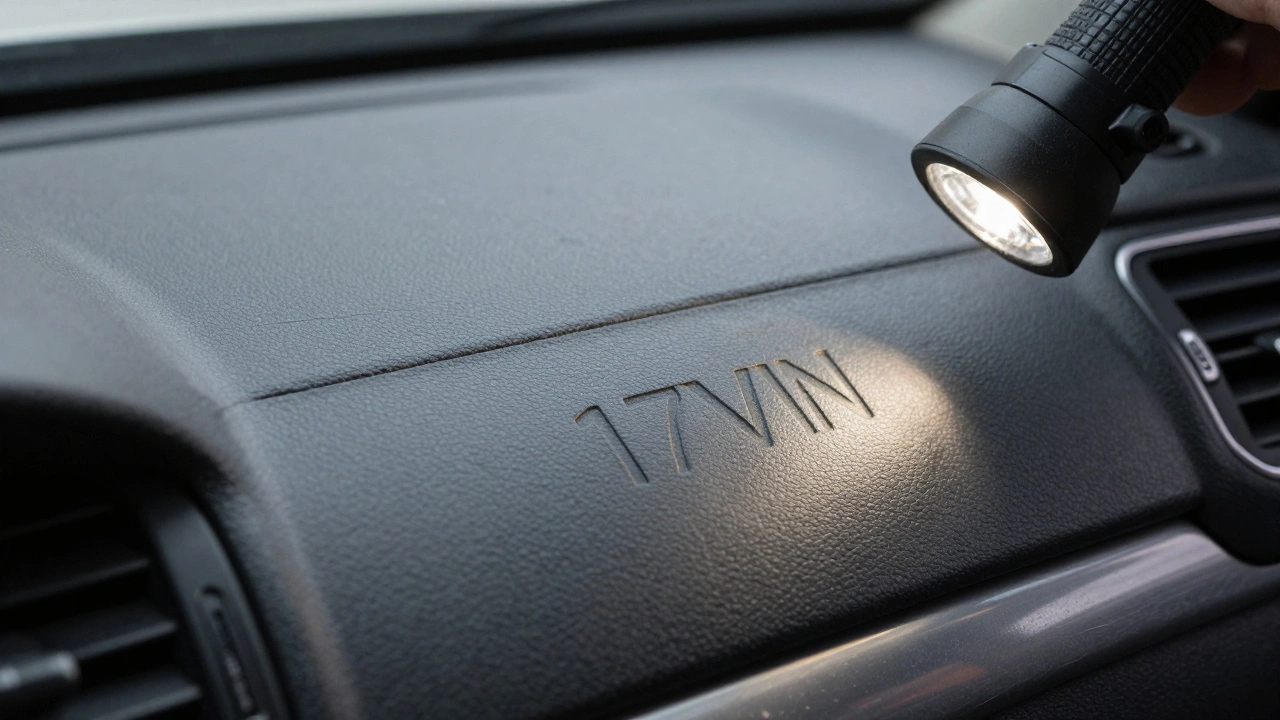
Learn how to verify a VIN and spot cloned or stolen vehicles before buying a used car. Avoid legal trouble and financial loss with these essential checks.
read more