
When you’re looking at a used car, the VIN verification, a unique 17-character code assigned to every vehicle that tracks its entire life. Also known as a vehicle identification number, it’s not just a serial tag—it’s the car’s digital fingerprint. Skip checking it, and you could end up with a stolen vehicle, a salvage title hidden by a dealer, or an odometer rolled back by thousands of miles. Every time someone registers, insures, or repairs a car, that information gets tied to the VIN. That’s why it’s the first thing you check—before you even test drive.
A VIN decode, the process of breaking down each digit of the VIN to reveal manufacturing details, model year, engine type, and assembly plant. The 10th character tells you the model year—like an 8 for 2018. The 11th tells you the factory. The 4th through 8th tell you the trim, engine, and transmission. But here’s what most people miss: the 9th digit is a checksum. If it doesn’t match the algorithm, the VIN is fake. Scammers tweak VINs on paper titles or digital listings all the time. A real VIN matches the one stamped on the driver’s side dashboard, the door jamb, and the engine block. If they don’t line up, walk away.
Then there’s the car history check, a report pulled from government and insurance databases using the VIN to show accidents, title status, odometer readings, and recall history. This isn’t just about whether the car was in a crash. It’s about whether the airbags were replaced, if it was flood-damaged, or if it was used as a rental. A clean title doesn’t mean a clean car. One in five used cars has a hidden problem that shows up only in the history report. You can get a basic report for free from some dealers, but paid services like Carfax or AutoCheck give you the full picture—including whether the car was ever reported stolen or had a lemon law buyback.
And don’t forget the used car fraud, the growing trend of deceptive sellers hiding damage, altering records, or selling cars with fake VINs to avoid detection. In 2023, over 120,000 vehicles in the U.S. alone were flagged for VIN tampering. Some sellers swap VIN plates from totaled cars onto salvage vehicles. Others use software to edit digital records. If a price seems too good to be true, it’s probably because the VIN doesn’t match the car’s actual history. Always verify the VIN yourself—don’t trust what’s on the ad.
What you’ll find in the posts below aren’t just random tips. They’re real tools you can use right now. From reading a window sticker to spotting hidden damage, these guides show you how to connect the dots between what a car says and what it actually is. You’ll learn how to spot the red flags others miss—and how to walk away before you’re stuck with a money pit.
Posted by
Liana Harrow
10 Comments
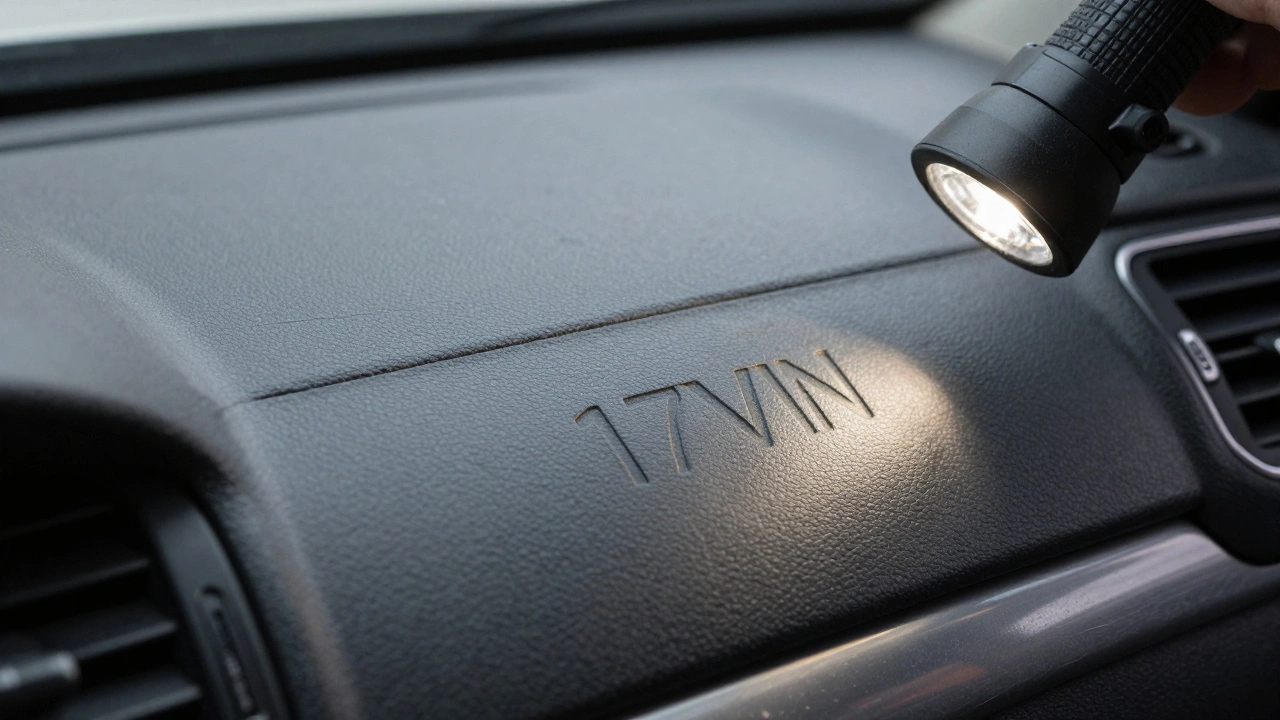
Learn how to verify a VIN and spot cloned or stolen vehicles before buying a used car. Avoid legal trouble and financial loss with these essential checks.
read more